Dongpo Pork: Zhejiang's Legendary Wine
Jordan Myers
What Makes Dongpo Pork a Culinary Legend
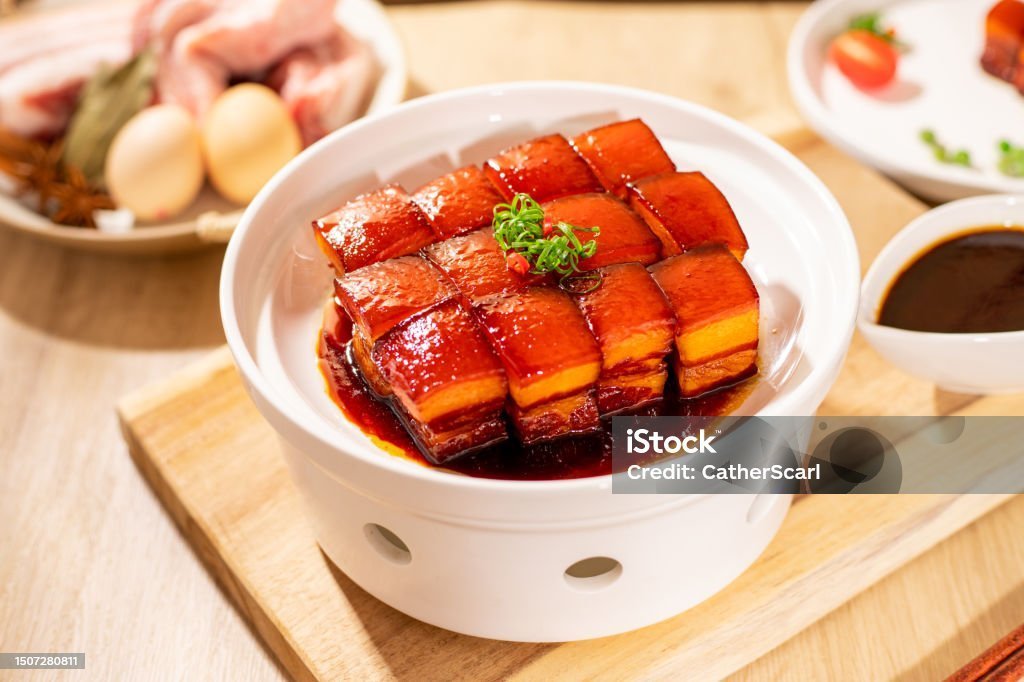
Dongpo Pork (, Dōngpō ròu) is one of China's most revered dishes, originating from Hangzhou in Zhejiang province. Named after the Song Dynasty poet and gastronome Su Dongpo (also known as Su Shi), this dish transforms humble pork belly into a luxurious, melt-in-your-mouth delicacy through a slow braising process that can take up to four hours.
The magic lies in the interplay of fat and lean meat, which are cooked until the fat becomes translucent and gelatinous while the lean portions remain tender and moist. The braising liquid--a combination of Shaoxing wine, soy sauce, rock sugar, and aromatics--reduces into a glossy, savory-sweet glaze that coats each square of pork like lacquer.
Key Stat: A traditional Dongpo Pork recipe calls for a 2:1 ratio of pork belly to Shaoxing wine, with the wine completely submerging the meat during the initial braise. This high wine content is what gives the dish its signature depth and tenderness.
Unlike many Western braised meats that use stock or water as the primary liquid, Dongpo Pork relies heavily on Shaoxing wine--a fermented rice wine that adds complexity, umami, and a subtle sweetness. The alcohol evaporates during cooking, leaving behind concentrated flavor compounds that penetrate every fiber of the meat.
The dish's cultural significance extends beyond its taste. Su Dongpo, who was exiled to Hangzhou during his political career, is said to have created this recipe as a way to make tough, inexpensive cuts of pork palatable. Today, it appears on banquet tables and home kitchens alike, symbolizing resourcefulness, patience, and the transformative power of slow cooking.
Essential Ingredients for Authentic Dongpo Pork
To achieve the authentic flavor profile of Dongpo Pork, you must source specific ingredients that cannot be substituted without compromising the dish's integrity. The most critical component is the pork belly itself--look for a piece with even layers of fat and meat, ideally about 1.5 inches thick. The fat should be firm and white, not yellow or soft, which indicates older or lower-quality pork.
Shaoxing wine is non-negotiable. This amber-colored rice wine, produced in the Zhejiang province, has a nutty, slightly sweet flavor that is completely different from Japanese mirin or dry sherry. Use a cooking-grade Shaoxing wine from a Chinese grocery store; avoid the expensive drinking varieties, as the subtle notes will be lost during the long braise. If you cannot find Shaoxing wine, a dry sherry is the closest substitute, though the result will be noticeably different.
Dark soy sauce and light soy sauce play distinct roles. Dark soy sauce adds color and a hint of sweetness, while light soy sauce provides saltiness and umami. Together, they create the deep mahogany hue that characterizes Dongpo Pork. Rock sugar (bing tang) is preferred over granulated sugar because it dissolves slowly and imparts a cleaner sweetness without the caramel notes that brown sugar would introduce.
Whole spices--star anise, cinnamon stick, and Sichuan peppercorns--are tied in a cheesecloth bundle or added loose and removed before serving. Fresh ginger and scallions provide aromatic backbone, while a small amount of dried tangerine peel (chen pi) adds a subtle citrus note that brightens the rich pork. Some modern recipes include a splash of oyster sauce or hoisin sauce, but purists argue these mask the purity of the wine-braised flavor.
Step-by-Step Cooking Technique for Perfect Texture
The preparation of Dongpo Pork involves three distinct phases: blanching, braising, and steaming. Each step serves a specific purpose in achieving the final texture and flavor. Begin by cutting the pork belly into 2-inch squares, leaving the skin on. Blanch the pieces in boiling water for 5 minutes to remove impurities and tighten the skin. Drain and rinse under cold water, then pat dry with paper towels.
For the braising phase, arrange the pork squares skin-side down in a single layer in a heavy-bottomed pot or clay pot (sandpot). Add enough Shaoxing wine to cover the meat by about half an inch--typically 2 to 3 cups for 2 pounds of pork. Add the soy sauces, rock sugar, ginger slices, scallion sections, and spice bundle. Bring to a boil, then reduce to a gentle simmer. Cover and cook for 2 to 2.5 hours, turning the pieces once halfway through. The liquid should remain at a low bubble, not a rolling boil, to prevent the meat from toughening.
After braising, the pork is traditionally steamed for an additional 30 to 45 minutes. This step, often omitted in home cooking, is what gives restaurant-quality Dongpo Pork its ethereal tenderness. Transfer the pork squares to a heatproof bowl, pour the braising liquid over them, and steam over high heat. The steam gently finishes the cooking while allowing the fat to render further without drying out the lean meat. The result is a texture that yields to the slightest pressure from chopsticks.
To serve, carefully transfer each square to a serving plate, skin-side up. Strain the braising liquid and reduce it over high heat until it thickens to a syrupy consistency. Spoon this glaze over the pork and garnish with blanched baby bok choy or steamed Shanghai greens for color contrast. The greens also provide a fresh, slightly bitter counterpoint to the rich pork.
Common Mistakes and How to Avoid Them
Even experienced home cooks can fall short when making Dongpo Pork. The most frequent error is using too little wine or substituting water for a portion of the wine. The braising liquid must be predominantly Shaoxing wine; diluting it with water results in a thinner, less complex sauce and tougher meat. If you're concerned about alcohol content, remember that the alcohol evaporates during the long cooking time, leaving only flavor behind.
Another common mistake is rushing the cooking process. Dongpo Pork cannot be rushed. The collagen in the pork belly needs time to break down into gelatin, which creates the silky mouthfeel. Cooking at too high a temperature will cause the meat to become dry and stringy rather than tender. Use a thermometer to maintain the braising liquid at around 185°F (85°C)--just below a simmer--for the entire cooking period.
Over-reducing the sauce is a third pitfall. The braising liquid should be reduced to a glaze, not a thick paste. If it becomes too thick, it will taste overly salty and cloying. Aim for a consistency that coats the back of a spoon but still flows freely. If you accidentally over-reduce, add a splash of hot water and stir to loosen it.
Finally, do not skip the steaming step. Many home recipes omit it to save time, but steaming is what elevates Dongpo Pork from good to exceptional. The steam gently finishes the cooking and allows the flavors to meld further. If you don't have a steamer, you can place the pork in a covered baking dish with a little braising liquid and bake at 300°F (150°C) for 30 minutes, though the texture will be slightly less tender.
Serving Suggestions and Wine Pairings
Dongpo Pork is traditionally served as part of a multi-course Chinese meal, accompanied by steamed jasmine rice or mantou (steamed buns) to soak up the rich sauce. The pork's intensity means it should be balanced with lighter dishes such as stir-fried greens, cold cucumber salad, or a clear soup. A simple blanched vegetable with garlic is ideal, as it cleanses the palate between bites of the unctuous pork.
For wine pairing, the dish's sweetness and umami call for wines with similar richness and a touch of sweetness. Off-dry Riesling from Germany or Alsace works beautifully, as its acidity cuts through the fat while its residual sugar complements the braising sauce. A lightly oaked Chardonnay, such as a white Burgundy, also pairs well, especially if the wine has some age to soften its oak character. For red wine lovers, a Pinot Noir from Oregon or California with low tannins and bright fruit is a safe choice--avoid heavy, tannic wines like Cabernet Sauvignon, which will clash with the sweetness.
If you prefer beer, a Belgian dubbel or a bock beer with malty sweetness and moderate alcohol can stand up to the pork's richness. For a non-alcoholic option, oolong tea, particularly a roasted Tieguanyin or Wuyi rock tea, provides a smoky, mineral counterpoint that enhances the dish's complexity.
Leftover Dongpo Pork is even better the next day, as the flavors continue to meld. Store the pork and sauce separately in the refrigerator for up to five days, or freeze for up to three months. To reheat, steam the pork for 10 minutes or gently warm it in a covered pan with a splash of water. Avoid microwaving, which can toughen the meat and make the sauce greasy.