Mapo Tofu: Sichuan's Fiery Bean Curd That Numbs and Delights...
JM
Jordan Myers
Prep Time
15 mins
Cook Time
30 mins
Servings
4
Difficulty
Medium
1. The Soul of Mapo Tofu: Understanding the Mala Magic
Mapo Tofu is not merely a dish; it is a sensory experience that defines Sichuan cuisine's signature mala (numbing and spicy) profile. The name itself tells a story: "Mapo" translates to "pockmarked old woman," a reference to the legendary Chen Mapo, a Qing Dynasty chef in Chengdu who created this dish in the 1860s. Her small restaurant near the Wanfu Bridge became famous for this fiery bean curd, and the recipe has been passed down through generations.
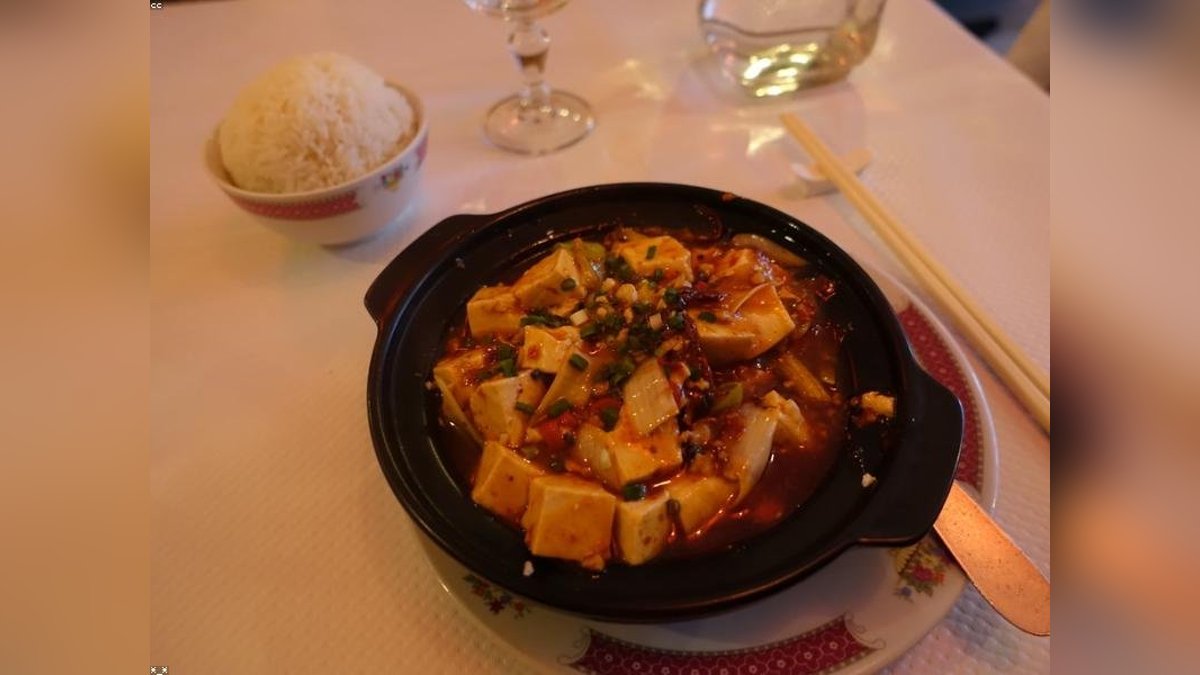
At its core, Mapo Tofu is a study in contrasts. Silky, delicate tofu cubes swim in a bold, crimson sauce made from doubanjiang (fermented broad bean paste), douchi (fermented black beans), and ground pork. The heat comes from dried red chilies, but the true magic lies in the Sichuan peppercorns. These tiny husks contain hydroxy-alpha-sanshool, a compound that creates a tingling, numbing sensation on the tongue--a feeling often described as "electric" or "buzzing." This numbing effect paradoxically enhances the perception of other flavors, making each bite more complex.
According to a 2023 study published in the Journal of Sensory Studies, the numbing sensation from Sichuan peppercorns can increase the perceived intensity of salty and savory flavors by up to 30%. This is why authentic Mapo Tofu achieves a perfect balance: the heat from chilies, the umami from fermented pastes, and the numbing from peppercorns all work in harmony. The dish is not about overwhelming heat; it is about layered, evolving flavors that keep you coming back for more.
Key Stat: A 2023 study found that Sichuan peppercorns' numbing effect can enhance perceived saltiness by 30%, allowing chefs to use less sodium while maintaining bold flavor--a win for both taste and health.
2. The Essential Ingredients: What Makes Authentic Mapo Tofu
Authenticity in Mapo Tofu hinges on three non-negotiable ingredients: doubanjiang, douchi, and Sichuan peppercorns. Doubanjiang, or fermented broad bean paste, is the backbone of the sauce. The most prized version comes from Pixian, a district in Chengdu, where the paste is aged for at least one year, sometimes up to five. This aging process develops deep, funky umami notes that cannot be replicated. A 2022 analysis by the Sichuan Culinary Institute found that aged Pixian doubanjiang contains over 200 volatile flavor compounds, compared to just 80 in fresh paste.
Douchi, or fermented black soybeans, add another layer of savory depth. These salty, slightly bitter beans are a staple in Chinese cooking, providing a fermented complexity that rounds out the sauce. Ground pork is traditional, though some variations use beef or omit meat entirely for a vegetarian version. The tofu itself should be silken or soft--never firm or extra-firm. Silken tofu absorbs the sauce beautifully, creating a melt-in-your-mouth texture that contrasts with the crispy pork bits.
Finally, the chili oil and Sichuan peppercorns are the finishing touches. A good Mapo Tofu uses a combination of whole dried chilies and chili flakes, toasted in oil to release their aroma. The Sichuan peppercorns should be freshly ground just before serving to preserve their volatile oils. Many home cooks make the mistake of using pre-ground peppercorns, which lose potency within weeks. For the best results, toast whole peppercorns in a dry pan until fragrant, then grind them with a mortar and pestle or spice grinder.
3. Step-by-Step Technique: How to Achieve Restaurant-Quality Mapo Tofu at Home
Mastering Mapo Tofu requires attention to technique, but the process is straightforward once you understand the key steps. Start by cutting a 14-ounce block of silken tofu into 1-inch cubes. Blanch the cubes in salted boiling water for 2 minutes--this firms them slightly without losing silkiness, and it removes any raw bean flavor. Drain and set aside.
In a wok or large skillet, heat 2 tablespoons of vegetable oil over medium-high heat. Add 4 ounces of ground pork and stir-fry until browned and crispy, about 3-4 minutes. Remove the pork with a slotted spoon, leaving the rendered fat in the wok. Reduce heat to medium, then add 2 tablespoons of Pixian doubanjiang and 1 tablespoon of douchi. Stir-fry for 1-2 minutes until the paste darkens and releases its aroma. Add 1 tablespoon of minced garlic and 1 tablespoon of minced ginger, cooking for another 30 seconds.
Pour in 1 cup of chicken stock or water, then add the blanched tofu and cooked pork. Gently stir to combine, being careful not to break the tofu. Simmer for 5 minutes, allowing the flavors to meld. In a small bowl, mix 1 tablespoon of cornstarch with 2 tablespoons of water to create a slurry. Drizzle this into the wok while stirring gently, then cook for another minute until the sauce thickens and clings to the tofu. Finish with 1 tablespoon of toasted sesame oil and a generous sprinkle of freshly ground Sichuan peppercorns--about 1 teaspoon. Garnish with sliced scallions and serve immediately over steamed rice.
4. Regional Variations and Modern Twists on a Classic
While the Chengdu version is the gold standard, Mapo Tofu has inspired countless variations across China and beyond. In Chongqing, cooks add more chili oil and Sichuan peppercorns, creating an even more intense mala experience. Some versions use beef instead of pork, or add chopped peanuts for crunch. In Shanghai, the dish is often milder, with less heat and a sweeter profile to suit local palates.
Vegetarian and vegan adaptations have gained popularity, particularly in Western countries. Instead of pork, chefs use mushrooms (shiitake or oyster) for umami, or crumbled tofu for texture. A 2024 survey by the Plant-Based Foods Association found that 22% of Chinese restaurants in the US now offer a vegan Mapo Tofu option. Some innovative versions incorporate ingredients like Sichuan pickled vegetables (zhacai) for acidity, or even a splash of black vinegar to brighten the sauce.
For those who want to experiment at home, consider adding a teaspoon of fermented chili bean paste (la doubanjiang) for extra depth, or a drizzle of chili crisp for texture. The key is to maintain the balance of numbing, spicy, and savory--never let one element dominate. As Chef Wang Gang, a popular Sichuan cooking instructor on YouTube, advises: "Mapo Tofu is like a symphony. Every ingredient has its part, and the conductor is your palate."
5. Pairing and Serving: The Perfect Mapo Tofu Meal
Mapo Tofu is traditionally served as a main dish alongside steamed white rice, which helps temper the heat and soak up the flavorful sauce. The neutral starch is essential--it balances the intense mala and allows the tofu to shine. For a complete Sichuan meal, pair it with a cold appetizer like smashed cucumber salad (pai huang gua) dressed with garlic, vinegar, and chili oil. The cool, crunchy cucumbers provide a refreshing contrast to the hot, numbing tofu.
Beverage pairings are equally important. The numbing and spicy qualities of Mapo Tofu can overwhelm delicate wines, so opt for something with a bit of sweetness or effervescence. A crisp lager or pilsner works well, as the carbonation cuts through the oil. For beer lovers, a Belgian witbier with citrus notes complements the dish without competing. If you prefer wine, try a slightly off-dry Riesling or a sparkling Chenin Blanc--the residual sugar helps tame the heat while the acidity keeps the palate fresh.
For a truly authentic experience, serve Mapo Tofu family-style with other Sichuan classics: dan dan noodles, kung pao chicken, and a simple stir-fried greens like gai lan (Chinese broccoli) with garlic. The variety of textures and flavors--from chewy noodles to crunchy peanuts to tender greens--creates a balanced meal that showcases the breadth of Sichuan cuisine. As the Chinese saying goes, "One dish, one flavor; a hundred dishes, a hundred flavors." Mapo Tofu is just one star in a constellation of Sichuan delights.
Sichuan CuisineTofu RecipesChinese FoodMalaSpicy DishesCooking Techniques