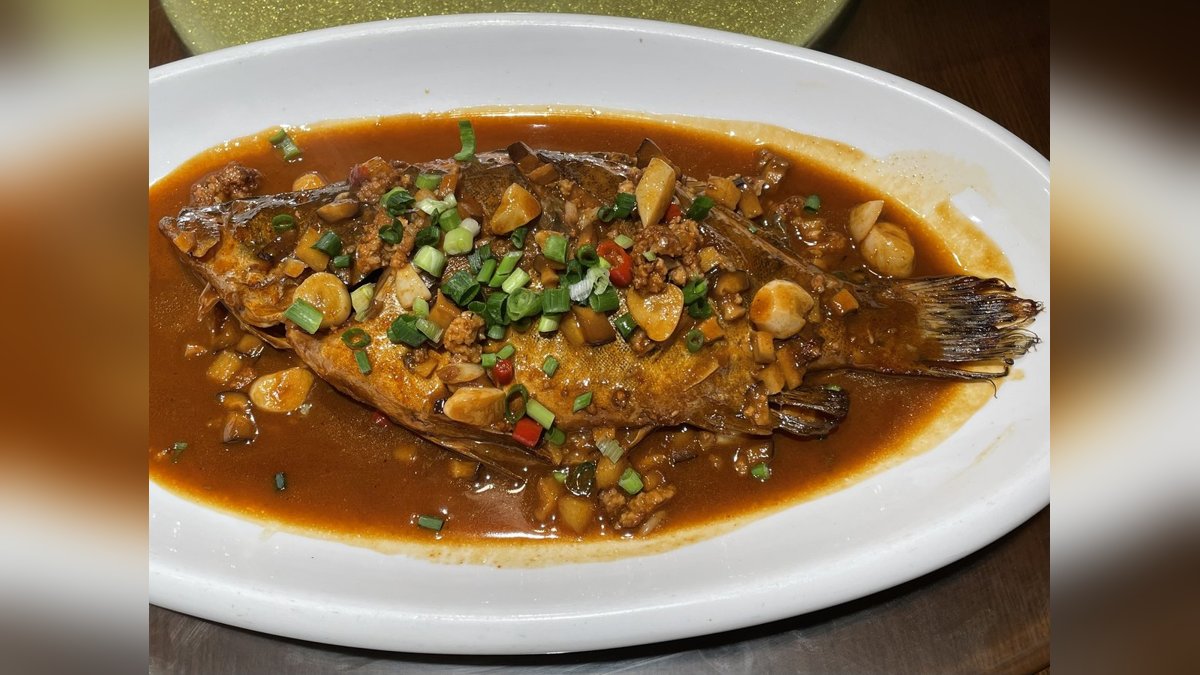
What Is Stinky Mandarin Fish? The Fermented Marvel of Anhui Cuisine
Stinky Mandarin Fish, known in Chinese as chou guiyu (), is one of the most iconic and polarizing dishes from Anhui Province in eastern China. This fermented freshwater fish has a reputation that precedes it--literally. The pungent aroma can fill a room, often causing first-timers to recoil. Yet those who push past the initial olfactory assault are rewarded with a tender, flaky, and surprisingly mild-flavored fish that has been celebrated for centuries.
The dish is made from mandarin fish (Siniperca chuatsi), a prized freshwater species native to Chinese rivers and lakes. The fish is lightly salted and left to ferment at a controlled temperature for several days. This process breaks down the proteins, creating a unique umami depth while preserving the fish's delicate texture. Unlike many Western fermented foods that rely on brining or pickling, Anhui's method is a dry fermentation that develops a complex, almost cheese-like character.
Key Stat: A properly fermented stinky mandarin fish contains over 20% more free amino acids than fresh mandarin fish, contributing to its intense savory flavor. The fermentation process typically takes 5-7 days at 15-20°C (59-68°F).
For adventurous food lovers, stinky mandarin fish is a gateway into the world of Chinese fermented cuisine. It shares philosophical roots with other strong-smelling delicacies like stinky tofu, blue cheese, or Swedish surströmming, but stands apart for its refined preparation and elegant presentation. In Anhui, it is considered a dish of hospitality--served to honored guests as a sign of respect and culinary sophistication.
The History: How a Transportation Accident Created a Culinary Legend
The origins of stinky mandarin fish date back to the Qing Dynasty (1644-1912), when fresh fish from the Yangtze River had to be transported overland to inland cities like Huangshan and Tunxi. Without modern refrigeration, merchants would pack fish in layers of salt to prevent spoilage during the multi-day journey. According to local lore, one merchant's shipment was delayed by a week due to heavy rains. When the fish finally arrived, it had developed a strong odor. The merchant, fearing financial ruin, decided to cook the fish anyway--adding generous amounts of ginger, scallion, chili, and soy sauce to mask the smell.
To his surprise, the fermented fish tasted extraordinary. The flesh had transformed into a silky, almost creamy texture, and the flavor was rich and savory without being overpowering. Word spread quickly, and soon chefs across Anhui began intentionally fermenting mandarin fish to replicate the accidental discovery. By the late 19th century, stinky mandarin fish had become a signature dish of Huizhou cuisine, the culinary tradition of the Anhui region.
Today, the dish is protected as part of China's intangible cultural heritage. In 2018, the Anhui provincial government listed stinky mandarin fish preparation techniques as a provincial-level intangible cultural heritage item. The dish is also a staple at state banquets and has been featured in international food documentaries, including episodes of Flavorful Origins and A Bite of China. Despite its challenging aroma, it has gained a cult following among food enthusiasts worldwide.
How Stinky Mandarin Fish Is Made: The Art of Controlled Fermentation
Creating authentic stinky mandarin fish requires precision and experience. The process begins with selecting fresh mandarin fish weighing between 500 and 800 grams (1.1-1.8 pounds). The fish is scaled, gutted, and cleaned, then rubbed with a mixture of salt and Sichuan peppercorns. The salt concentration is critical--too little and the fish spoils; too much and it becomes overly salty and inhibits fermentation. Traditional recipes call for about 3% salt by weight.
The fish are then placed in a clay pot or bamboo basket, layered with ginger slices and scallion segments. The container is covered with a breathable cloth and stored in a cool, ventilated area at 15-20°C. During fermentation, the fish are turned daily to ensure even exposure. After 3-5 days, the fish develops a distinct ammonia-like smell, signaling that the proteins are breaking down. By day 7, the aroma is pungent but not rotten--a sign of successful fermentation.
Once fermented, the fish is rinsed briefly to remove excess salt and surface bacteria, then scored on both sides to allow seasonings to penetrate. It is pan-fried until the skin is golden and crispy, then braised in a sauce made from soy sauce, rice wine, sugar, ginger, garlic, dried chili peppers, and scallions. The braising liquid reduces into a glossy, savory glaze that coats the fish. The final dish is garnished with fresh cilantro and sliced red chilies, creating a striking contrast of dark sauce and bright garnishes.
Modern variations include steaming the fish instead of frying, or adding fermented black beans for extra umami. Some chefs age the fish for up to 10 days for a more intense flavor, though this is less common outside of Anhui. The key is balance--the fermentation should enhance the fish's natural sweetness, not overwhelm it.
Flavor Profile: Why It Tastes Better Than It Smells
The aroma of stinky mandarin fish is often compared to ripe cheese, fermented tofu, or even sweaty socks. But the flavor tells a different story. When cooked properly, the fish has a delicate, almost buttery texture that flakes apart at the touch of chopsticks. The taste is mildly salty with a deep umami richness, punctuated by the heat of chili and the aromatic punch of ginger and scallion. The fermentation process breaks down the fish's collagen into gelatin, giving the flesh a silky mouthfeel that fresh mandarin fish lacks.
One of the most surprising aspects is how the fish's natural sweetness emerges after fermentation. The salt and enzymes convert some of the fish's proteins into amino acids like glutamate and aspartate, which are responsible for savory and sweet taste sensations. This is why stinky mandarin fish pairs exceptionally well with plain steamed rice--the neutral starch balances the intensity of the fish and allows the flavors to linger.
For first-timers, the recommended approach is to take a small bite without breathing through the nose. The initial aroma can be off-putting, but the taste is remarkably mild. Many diners report that after the first few bites, the smell fades into the background and they begin to appreciate the complexity. It's a textbook example of how smell and taste are intertwined--and how our brains can learn to love what they initially reject.
Wine pairings are tricky due to the strong flavors, but light-bodied reds like Pinot Noir or off-dry Rieslings work well. In Anhui, the dish is traditionally accompanied by huangjiu (yellow rice wine), which cuts through the richness and complements the fermented notes. For beer lovers, a crisp lager or wheat beer provides a refreshing contrast.
Where to Try Stinky Mandarin Fish and How to Cook It at Home
In China, the best place to experience authentic stinky mandarin fish is in Anhui Province, particularly in the cities of Huangshan, Tunxi, and Hefei. Many restaurants in these areas specialize in Huizhou cuisine and have been perfecting the dish for generations. Look for establishments that display live mandarin fish in tanks--a sign they use fresh ingredients. The dish is also available in high-end Chinese restaurants in major cities like Beijing, Shanghai, and Guangzhou, often priced between $25 and $50 per serving.
Outside of China, stinky mandarin fish can be found in specialty Chinese grocery stores, usually sold vacuum-sealed and pre-fermented. Brands like Huangshan Brand and Anhui Delicacy export to the United States and Europe. The pre-fermented fish can be cooked at home with minimal effort: simply rinse, pan-fry, and braise with the included seasoning packet or your own sauce. Cooking time is about 20 minutes from start to finish.
For DIY enthusiasts, fermenting mandarin fish at home is possible but requires careful temperature control. Use a dedicated fermentation container to avoid cross-contamination, and monitor the fish daily for off-odors (a sign of spoilage rather than proper fermentation). Beginners should start with a shorter fermentation time of 3-4 days and adjust based on results. The reward is a deeply satisfying dish that connects you to centuries of Chinese culinary tradition.
Safety note: Properly fermented stinky mandarin fish is safe to eat, but if the fish develops a putrid, rotten egg smell or slimy texture, discard it immediately. The ideal aroma is pungent but not foul--think aged cheese rather than garbage. When in doubt, buy from a reputable source.