Duojiao Yutou: Hunan Steamed Fish Head with Chopped Chili...
Jordan Myers
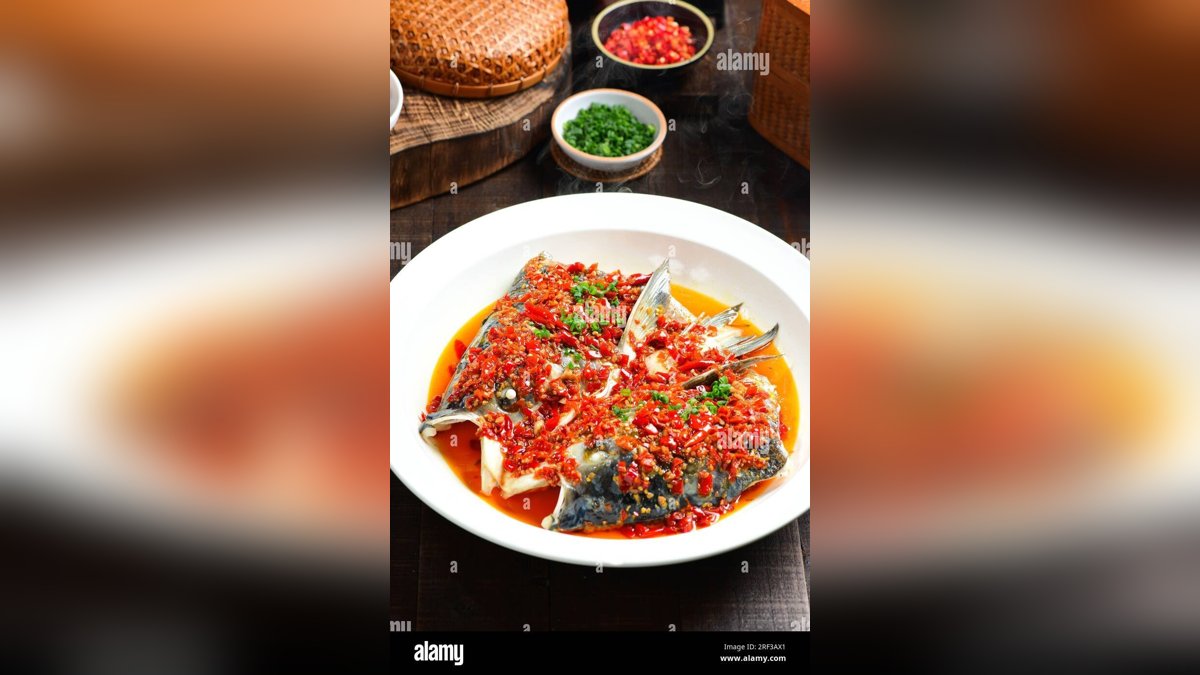
What Is Duojiao Yutou and Why It Matters in Hunan Cuisine
Duojiao Yutou () is one of the most iconic dishes from Hunan province, a region renowned for its bold, fiery flavors. The name translates directly to "chopped chili fish head," which perfectly describes the dish: a whole fish head -- typically from a bighead carp or silver carp -- split open, laid flat, and steamed under a thick blanket of salted, fermented chopped red and green chili peppers. The result is a symphony of textures and tastes: tender, gelatin-rich fish meat that flakes off the bone, infused with the pungent, sour, and intensely spicy character of the duojiao () chili paste.
Hunan cuisine, also known as Xiang cuisine, is one of China's Eight Great Culinary Traditions. Unlike Sichuan cuisine, which relies heavily on the numbing sensation of Sichuan peppercorns, Hunan cooking is defined by its pure, unadulterated heat -- the smoky, direct burn of fresh and fermented chilies. Duojiao Yutou exemplifies this philosophy. The dish is not merely spicy; it is layered with umami from the fermented chilies, sweetness from the fish, and a subtle acidity that cuts through the richness. It is a staple at celebratory banquets, family gatherings, and increasingly, in Chinese restaurants worldwide.
What makes Duojiao Yutou particularly special is its use of the fish head -- a cut often overlooked in Western cooking but prized in Chinese gastronomy for its gelatinous skin, cheek meat, and brain tissue, all of which absorb flavors exceptionally well. The steaming method preserves the fish's natural moisture while allowing the chili paste to penetrate deeply. A properly executed Duojiao Yutou should have meat that slides off the bone with a gentle nudge of chopsticks, with each bite delivering a punch of chili heat followed by a lingering, savory finish.
Key Stat: A single serving of Duojiao Yutou contains approximately 25-30 grams of protein and is rich in omega-3 fatty acids from the fish head. The fermented chilies also provide probiotics that aid digestion -- a traditional Chinese belief that spicy food balances internal dampness.
Essential Ingredients for Authentic Duojiao Yutou
The success of Duojiao Yutou hinges on the quality and preparation of its core components. While the ingredient list is short, each element plays a critical role. The star is the fish head. In Hunan, the preferred fish is the bighead carp (Hypophthalmichthys nobilis), known for its large head and tender, fatty cheek meat. Silver carp is a common substitute. The head should weigh between 1.5 to 2.5 pounds -- large enough to provide substantial meat but small enough to steam evenly. Freshness is non-negotiable: the eyes should be clear and bulging, the gills bright red, and the flesh firm to the touch. Frozen fish heads can work if thawed properly, but the texture will be slightly less silky.
The second essential ingredient is duojiao -- chopped chili peppers that have been salted and fermented. This is not the same as fresh chili or chili oil. Authentic Hunan duojiao is made from red or green finger-length chilies (often a variety called "chao tian jiao" or "facing heaven pepper"), chopped into small pieces, mixed with coarse salt, and left to ferment for at least two weeks. The fermentation process develops a complex flavor: salty, sour, and deeply savory, with a heat that builds gradually. You can find jarred duojiao at Asian grocery stores or online. For the best results, look for brands imported from Hunan, such as Laoganma or Lee Kum Kee's duojiao varieties. Avoid substitutes like sambal oelek or gochujang -- they lack the specific fermented tang that defines this dish.
Supporting ingredients include fresh ginger, scallions, garlic, and a splash of Shaoxing wine. Ginger slices are placed under the fish head to neutralize any fishy odors and infuse a subtle warmth. Scallions are used both in the steaming liquid and as a garnish. A small amount of light soy sauce and sugar balances the saltiness of the duojiao. Some modern recipes add a drizzle of hot oil over the finished dish to sizzle the aromatics, but traditionalists argue this masks the purity of the steamed chili flavor. For the most authentic experience, skip the oil and let the chili paste speak for itself.
Step-by-Step Cooking Method: From Prep to Plate
Begin by cleaning the fish head thoroughly. Remove the gills and any blood clots inside the cavity. Rinse under cold water and pat dry with paper towels. Using a sharp knife, split the head in half lengthwise through the top, but leave the bottom jaw connected so it opens like a book. This allows the head to lie flat in the steamer. Rub the inside and outside with a mixture of Shaoxing wine and a pinch of salt. Place ginger slices and scallion segments on a heatproof plate that fits inside your steamer. Lay the fish head skin-side up on top of the aromatics.
Next, prepare the duojiao topping. In a bowl, combine ½ cup of chopped red duojiao with ¼ cup of chopped green duojiao (if available; otherwise, use all red). Add 1 tablespoon of minced garlic, 1 teaspoon of sugar, and 1 tablespoon of light soy sauce. Mix well. Spread this chili mixture evenly over the entire surface of the fish head, making sure to cover the cheeks and the area around the eye. The chilies should form a thick, even crust -- this is what will flavor the meat as it steams.
Set up your steamer. If you have a bamboo steamer, line the lid with a clean kitchen towel to absorb condensation and prevent water from dripping onto the fish. Bring the water to a rolling boil over high heat. Place the plate with the fish into the steamer, cover, and reduce the heat to medium-high. Steam for 12-15 minutes per pound of fish head. A 2-pound head typically needs 25-30 minutes. The fish is done when the meat near the backbone flakes easily with a fork and the chili paste has darkened slightly. Do not oversteam, or the meat will become tough and dry.
Once steamed, carefully remove the plate (it will be very hot). Garnish with fresh cilantro leaves and thinly sliced scallion greens. For a final touch, some cooks heat 2 tablespoons of vegetable oil until smoking and pour it over the scallions to release their aroma. Serve immediately, directly from the steaming plate, with steamed white rice on the side. The rice is essential -- it absorbs the spicy, savory juices that pool at the bottom of the plate.
Regional Variations and Modern Twists
While the classic Duojiao Yutou uses a single type of fermented chili, regional variations abound. In Changsha, the capital of Hunan, restaurants often use a mix of red and green duojiao for visual contrast and a more complex heat profile. Some chefs add fermented black beans (douchi) to the chili paste for an extra layer of umami. Others incorporate minced pork belly or chopped shiitake mushrooms into the topping, creating a richer, more substantial dish that borders on a main course rather than a shared appetizer.
Outside of Hunan, adaptations have emerged to suit local palates. In Guangdong, where Cantonese cuisine favors subtlety, chefs may reduce the amount of chili and add a touch of oyster sauce to the steaming liquid. In the United States, some Chinese restaurants serve Duojiao Yutau with a side of noodles or steamed buns (mantou) to soak up the sauce, transforming it into a more filling meal. A popular modern twist involves steaming the fish head with a layer of silken tofu underneath, which absorbs the chili oil and becomes a creamy, spicy accompaniment.
For home cooks looking to experiment, consider substituting the fish head with other seafood. Whole fish like sea bass or snapper work well, though they lack the gelatinous texture of the head. Even large shrimp or lobster tails can be steamed with duojiao for a luxurious fusion dish. However, purists argue that the fish head is irreplaceable -- its unique combination of tender cheek meat, fatty skin, and cartilage is what makes Duojiao Yutou a true delicacy. If you cannot find a whole fish head, ask your fishmonger to save one for you; they are often discarded or sold cheaply.
Serving Suggestions and Wine Pairing
Duojiao Yutou is traditionally served as a centerpiece dish during family-style meals. Place the steaming plate in the middle of the table, surrounded by small bowls of steamed rice and a few simple vegetable sides, such as stir-fried bok choy or a cold cucumber salad. The intense spiciness of the fish head pairs beautifully with mild, neutral starches that cool the palate. Avoid serving other strongly flavored dishes alongside it, as they will compete with the chili's complexity.
When it comes to beverages, the high heat and saltiness of Duojiao Yutou call for drinks that can stand up to bold flavors. A crisp, cold lager like Tsingtao or a pilsner cuts through the richness and refreshes the palate. For wine lovers, off-dry Riesling or Gewürztraminer offers a touch of sweetness that tames the spice without overwhelming the fish. If you prefer non-alcoholic options, chilled jasmine tea or a simple cucumber-infused water provides a soothing contrast. Avoid heavy red wines or oaky whites -- they will clash with the chili's acidity.
Leftovers, if any, can be repurposed creatively. Pick the remaining meat from the bones and flake it into fried rice, or use it as a filling for steamed buns. The chili-infused juices at the bottom of the plate are liquid gold -- spoon them over noodles or stir them into a broth for a quick, spicy soup. Store leftovers in an airtight container in the refrigerator for up to two days. Reheat gently in a steamer or microwave, but note that the fish texture will be slightly less delicate the second time around.