Tiramisu: Italy's No
Jordan Myers
What Makes Tiramisu Italy's Ultimate No-Bake Dessert?
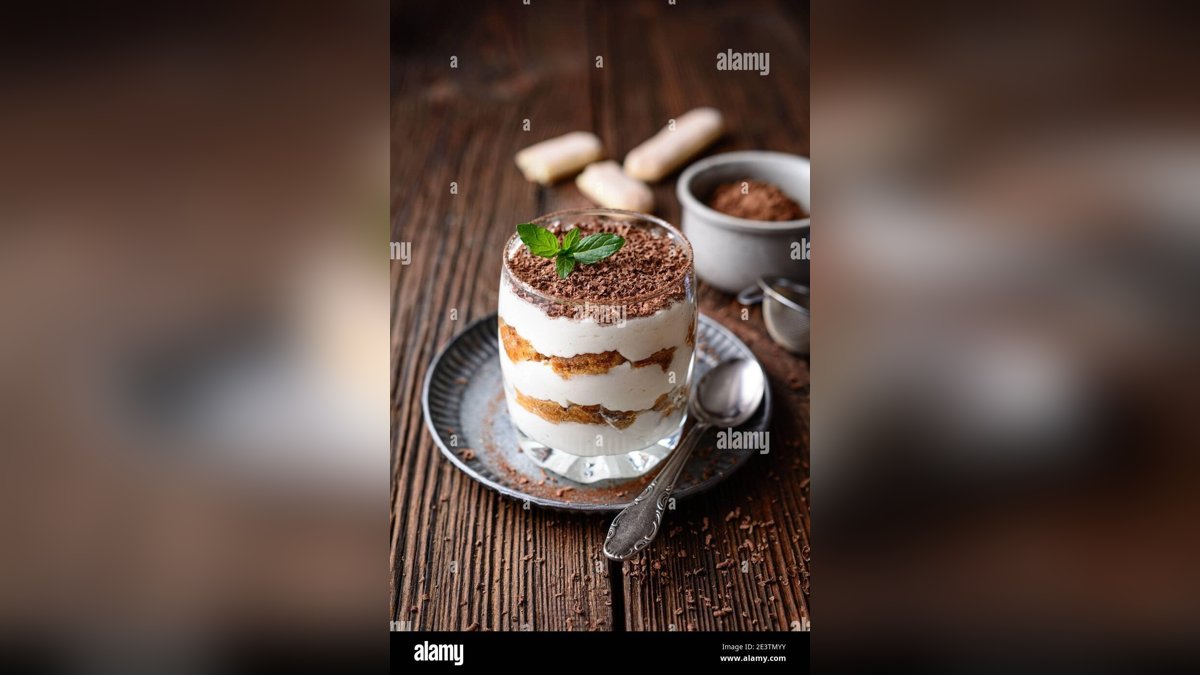
Tiramisu, whose name literally means "pick me up" in Italian, is a layered no-bake dessert that has captured hearts worldwide. Originating in the Veneto region of Italy in the 1960s, this coffee-flavored masterpiece combines espresso-soaked ladyfingers (savoiardi) with a luscious mascarpone cream, finished with a dusting of cocoa powder. Unlike many classic desserts that require precise oven temperatures or lengthy baking times, tiramisu relies on chilling and assembly, making it accessible to home cooks of all skill levels.
The magic of tiramisu lies in its textural contrast: the soft, coffee-infused sponge layers against the airy, rich mascarpone cream. Each bite delivers a balanced bitterness from the espresso, sweetness from the cream, and a hint of cocoa on the finish. According to the Italian Academy of Cuisine, authentic tiramisu contains only six core ingredients: savoiardi biscuits, fresh eggs, sugar, mascarpone cheese, espresso coffee, and unsweetened cocoa powder. No cream, no gelatin, no shortcuts.
Authentic tiramisu contains just six ingredients: savoiardi, eggs, sugar, mascarpone, espresso, and cocoa powder. No cream, no gelatin, no shortcuts.
Today, tiramisu is one of the most searched Italian desserts globally, with over 2 million monthly Google searches. Its popularity stems from its simplicity and the fact that it can be prepared a day in advance, making it a favorite for dinner parties and holidays. The no-bake nature also means it retains a fresh, delicate texture that baked desserts often lose.
The Essential Ingredients for Perfect Tiramisu
Creating an authentic tiramisu starts with selecting the right ingredients. Each component plays a critical role in the final flavor and texture. Here's what you need and why each matters.
Mascarpone Cheese: This Italian cream cheese is the heart of tiramisu. Made from cream coagulated with citric acid or tartaric acid, mascarpone has a fat content of 60-75%, giving it a velvety richness that cannot be replicated. Look for brands like Galbani or BelGioioso for the best results. Avoid substituting with cream cheese or ricotta, as they alter the texture and flavor significantly.
Savoiardi (Ladyfingers): These light, sponge-like biscuits are designed to absorb liquid without falling apart. Authentic Italian savoiardi, such as those from Vicenzovo or Balocco, are slightly drier and more absorbent than domestic versions. If you cannot find them, you can make your own, but store-bought is traditional and convenient.
Espresso: Freshly brewed espresso is non-negotiable. The coffee should be strong and slightly cooled before dipping the ladyfingers. Use about 1.5 cups of espresso for a standard 9x13-inch tiramisu. Do not use instant coffee or drip coffee, as they lack the intensity and crema that define the dessert's character.
Eggs: Use the freshest eggs possible, ideally pasteurized if you are concerned about raw eggs. The yolks are cooked gently with sugar to create a zabaglione-like base, while the whites are whipped to stiff peaks for lightness. This two-step process is what gives tiramisu its airy, mousse-like consistency.
Cocoa Powder: Unsweetened Dutch-process cocoa powder is standard. It provides a deep, dark finish that contrasts with the creamy layers. Brands like Valrhona or Cacao Barry offer superior flavor. Sift the cocoa just before serving to avoid clumps.
Step-by-Step: How to Make Authentic Tiramisu at Home
Follow this method to create a tiramisu that rivals any Italian restaurant. The process takes about 30 minutes of active work, plus at least 6 hours of chilling time.
Step 1: Prepare the Coffee Mixture
Brew 1.5 cups of strong espresso and let it cool to room temperature. Add 1 tablespoon of dark rum or Marsala wine if desired (optional but traditional in some regions). Pour the coffee into a shallow dish for dipping.
Step 2: Make the Mascarpone Cream
In a heatproof bowl, whisk 6 egg yolks with 3/4 cup of granulated sugar. Place the bowl over a pot of simmering water (double boiler method) and whisk continuously for 5-7 minutes until the mixture thickens and reaches 160°F. Remove from heat and let cool slightly. Fold in 16 ounces of mascarpone cheese until smooth.
Step 3: Whip the Egg Whites
In a clean bowl, beat 6 egg whites with a pinch of salt until stiff peaks form. Gently fold the whites into the mascarpone mixture in three additions, being careful not to deflate the batter. This step creates the light, airy texture that distinguishes tiramisu from a simple pudding.
Step 4: Assemble the Layers
Quickly dip each ladyfinger into the espresso for 1-2 seconds per side -- do not soak them, or they will become mushy. Arrange a single layer of dipped ladyfingers in the bottom of a 9x13-inch dish. Spread half of the mascarpone cream evenly over the ladyfingers. Repeat with a second layer of dipped ladyfingers and the remaining cream.
Step 5: Chill and Serve
Cover the dish with plastic wrap and refrigerate for at least 6 hours, preferably overnight. The chilling time allows the flavors to meld and the texture to set properly. Just before serving, sift a generous layer of unsweetened cocoa powder over the top. Cut into squares and serve cold.
Expert Tips for Tiramisu Success
Avoid these common pitfalls to ensure your tiramisu turns out perfect every time.
Don't Over-Soak the Ladyfingers: This is the most frequent mistake. A quick dip of 1-2 seconds per side is enough. Over-soaked ladyfingers turn into a soggy mess that ruins the layered structure. If you are unsure, err on the side of under-dipping -- the ladyfingers will continue to absorb moisture from the cream as they chill.
Use Room Temperature Ingredients: Mascarpone and eggs should be at room temperature before mixing. Cold mascarpone can create lumps, and cold egg whites will not whip to full volume. Take them out of the refrigerator 30 minutes before starting.
Chill for at Least 6 Hours: Tiramisu needs time to set. Cutting into it too early will result in a runny, unstable dessert. Overnight chilling (12-24 hours) yields the best texture and flavor integration. The dessert actually improves after a day in the fridge.
Experiment with Variations: While the classic recipe is perfect, you can try variations like adding a layer of dark chocolate shavings, using flavored liqueurs such as amaretto or Kahlúa, or substituting decaf espresso for a caffeine-free version. For a gluten-free option, use gluten-free ladyfingers or sponge cake.
Tiramisu's Cultural Impact and Global Popularity
Tiramisu has transcended its Italian origins to become a global dessert phenomenon. According to Google Trends, interest in tiramisu has remained consistently high over the past decade, with peaks around holidays like Christmas and Valentine's Day. It is one of the most searched Italian recipes in the United States, the United Kingdom, and Australia.
The dessert's popularity is also reflected in its presence on restaurant menus worldwide. A 2023 survey by the National Restaurant Association found that tiramisu is among the top 10 most ordered desserts in Italian restaurants across America. Its no-bake nature makes it a favorite for catering and large events, as it can be prepared in advance without losing quality.
Tiramisu has also inspired countless variations, from tiramisu-flavored ice cream and cheesecake to tiramisu martinis and even tiramisu pancakes. However, purists argue that the original version remains unmatched. The Italian government has even considered applying for Protected Traditional Specialty (TSG) status for tiramisu, similar to what was done for Neapolitan pizza, to preserve its authentic recipe and preparation methods.
Whether you enjoy it at a trattoria in Rome or make it in your own kitchen, tiramisu represents the best of Italian culinary philosophy: simple, high-quality ingredients transformed into something extraordinary. Its enduring appeal lies in its ability to satisfy both coffee lovers and dessert enthusiasts, making it a true dream dessert.