Coq au Vin: Julia Child's French Country Chicken Braised in Red...
Jordan Myers
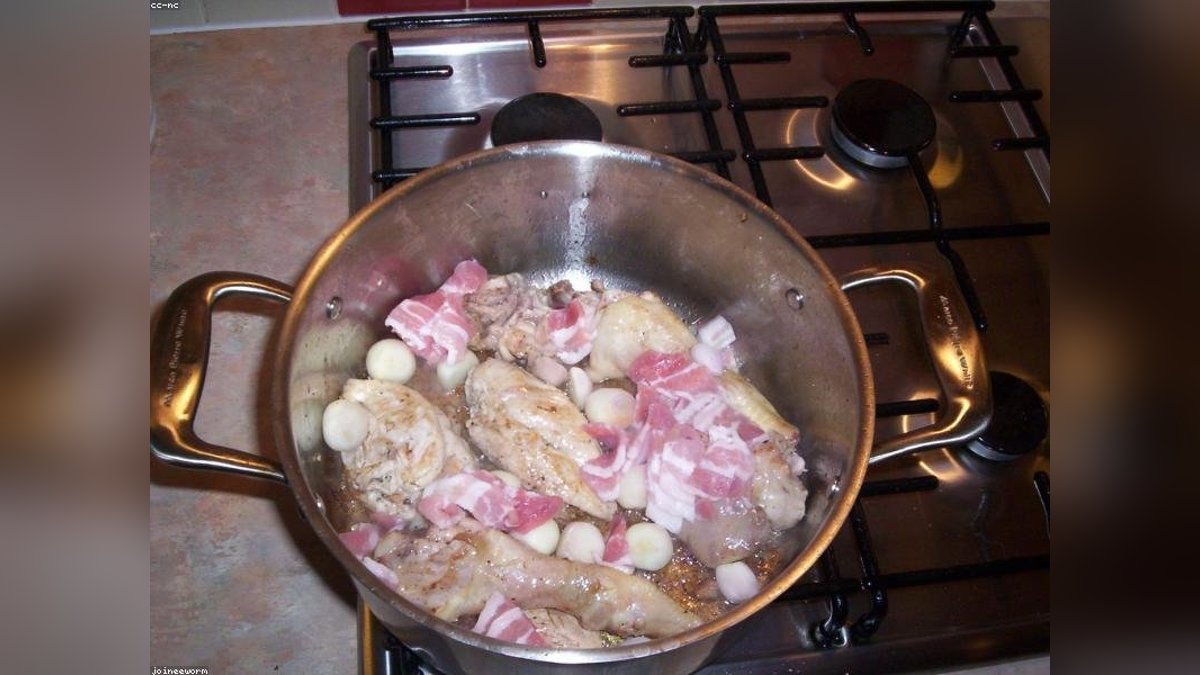
1. The History and Soul of Coq au Vin
Coq au Vin is more than a recipe; it is a cornerstone of French country cooking, a dish that transforms humble ingredients into a symphony of flavor. The name literally translates to 'rooster in wine,' and its origins lie in the practical necessity of tenderizing an old, tough rooster by slowly braising it in red wine. This method, perfected over centuries in the French countryside, turns a potentially chewy bird into fork-tender, succulent meat.
Julia Child, through her seminal work Mastering the Art of French Cooking (1961), introduced this rustic classic to American home cooks. She demystified French techniques, making them accessible without sacrificing authenticity. Her version of Coq au Vin is the gold standard--a rich, deeply flavored stew that relies on quality ingredients and patience. The dish is a testament to the French philosophy of terroir, where the local wine, the foraged mushrooms, and the farm-raised chicken all contribute to a singular, unforgettable meal.
Key Stat: Julia Child's Coq au Vin recipe in Mastering the Art of French Cooking calls for a full 750ml bottle of red wine, typically a Burgundy or Pinot Noir, and requires at least 1.5 hours of braising time to achieve the perfect texture.
Understanding the history helps you appreciate why each step matters. This is not a quick weeknight dinner; it is a weekend project that rewards you with a dish that tastes even better the next day. The slow braising process breaks down collagen in the chicken, enriching the sauce and creating a velvety mouthfeel that no quick-cooking method can replicate.
2. Essential Ingredients: Building the Foundation
The magic of Coq au Vin lies in the quality and combination of its core components. Each ingredient plays a critical role in building layers of flavor. Do not skimp on these elements if you want a result that rivals a Parisian bistro.
The Chicken: While Julia Child originally called for a rooster, a high-quality, free-range chicken (3.5-4 lbs) is the modern standard. The bird is cut into 8 pieces: 2 legs, 2 thighs, 2 breasts (halved), and 2 wings. Leaving the skin on is essential for browning and flavor. Pat the chicken dry with paper towels before seasoning--moisture is the enemy of a good sear.
The Wine: Use a full-bodied, dry red wine. A Burgundy (Pinot Noir) is traditional, but a Côtes du Rhône, Beaujolais, or even a good-quality California Pinot Noir works beautifully. Never use 'cooking wine.' The wine you drink should be the wine you cook with. The alcohol cooks off, but the tannins and fruit concentration remain. You will need one 750ml bottle for the braise and a splash for the sauce finish.
The Aromatics and Garnish: Bacon (thick-cut, unsmoked lardons or slab bacon), pearl onions (frozen or fresh), cremini or button mushrooms, garlic, tomato paste, fresh thyme, bay leaves, and chicken stock. The bacon provides a smoky, fatty base; the mushrooms add an earthy umami; the pearl onions contribute sweetness and texture. A bouquet garni (thyme, parsley, bay leaf tied together) infuses the braising liquid with herbal notes.
The Thickener: Julia Child uses a beurre manié--a paste of equal parts softened butter and all-purpose flour--to thicken the sauce at the end. This technique prevents lumps and adds a silky sheen. Alternatively, you can use a cornstarch slurry, but the butter version is superior for flavor and texture.
3. Step-by-Step Technique: From Stovetop to Oven
Executing Coq au Vin requires a sequence of deliberate steps. Do not rush. The process is as rewarding as the result. You will need a heavy-bottomed Dutch oven or a large, oven-safe braising pot with a tight-fitting lid.
Step 1: Render the Bacon. In the cold Dutch oven, cook the bacon lardons over medium heat until crisp and the fat is rendered. Remove the bacon with a slotted spoon, leaving the fat in the pot. This fat is your cooking medium for the chicken.
Step 2: Brown the Chicken. Season the chicken pieces generously with kosher salt and freshly ground black pepper. Working in batches (do not crowd the pot), sear the chicken skin-side down until deep golden brown, about 5-7 minutes per side. Proper browning is non-negotiable--it creates the fond (browned bits) that will flavor the sauce. Transfer the browned chicken to a plate.
Step 3: Sauté the Vegetables. Add the pearl onions and mushrooms to the pot. Cook until they begin to brown, about 5 minutes. Add the minced garlic and cook for 30 seconds until fragrant. Stir in 2 tablespoons of tomato paste and cook for 1 minute to caramelize it, deepening the color and flavor.
Step 4: Deglaze and Braise. Pour in the entire bottle of red wine. Use a wooden spoon to scrape up all the browned bits from the bottom of the pot. Add the chicken stock (about 1 cup), the bouquet garni, and the reserved bacon. Return the chicken pieces to the pot, nestling them into the liquid. The liquid should come about two-thirds of the way up the chicken. Bring to a gentle simmer, then cover the pot and transfer to a preheated 325°F (163°C) oven. Braise for 1 hour 15 minutes to 1 hour 30 minutes, until the chicken is very tender and almost falling off the bone.
Step 5: Finish the Sauce. Remove the pot from the oven. Using tongs, transfer the chicken and vegetables to a serving platter and tent with foil. Discard the bouquet garni. Place the pot on the stovetop over medium heat and bring the braising liquid to a simmer. Whisk in the beurre manié (2 tablespoons softened butter mixed with 2 tablespoons flour) a little at a time until the sauce thickens to a nappe consistency--coating the back of a spoon. Taste and adjust seasoning with salt, pepper, and a splash of cognac or brandy if desired. Pour the sauce over the chicken and garnish with fresh parsley.
4. Wine Pairing and Serving Suggestions
Pairing wine with Coq au Vin is straightforward: serve the same wine you cooked with. A Pinot Noir from Burgundy or a domestic cool-climate region is ideal. The wine's acidity cuts through the richness of the sauce, while its earthy notes complement the mushrooms and thyme. A light-bodied red like a Beaujolais or a medium-bodied Côtes du Rhône also works well. Avoid heavy, tannic wines like Cabernet Sauvignon, which can clash with the dish's delicate flavors.
For serving, traditional accompaniments include boiled or steamed potatoes (Yukon Gold or fingerling), buttered egg noodles, or crusty French bread to soak up every drop of the sauce. A simple green salad with a vinaigrette provides a refreshing contrast. The dish is hearty enough to stand alone, but these sides elevate it to a complete meal.
Pro Tip: Coq au Vin tastes even better the next day. The flavors meld and deepen overnight. Make it a day ahead, cool it completely, and refrigerate. Reheat gently on the stovetop, adding a splash of stock or water if the sauce has thickened too much. This makes it an ideal dish for entertaining--you can focus on your guests instead of the stove.
5. Common Mistakes and How to Avoid Them
Even experienced cooks can stumble with Coq au Vin. Here are the most frequent pitfalls and how to sidestep them.
Mistake 1: Using a poor-quality wine. The wine is the backbone of the dish. If it tastes bad in the glass, it will taste worse after reduction. Always use a wine you would happily drink. A $10-$15 bottle of Pinot Noir is perfectly adequate.
Mistake 2: Overcrowding the pot during browning. This causes the chicken to steam instead of sear, resulting in pale skin and a lack of deep flavor. Brown in batches, and do not move the pieces until they release naturally from the pan.
Mistake 3: Skipping the beurre manié. Some recipes use a flour slurry or no thickener at all. The beurre manié is what gives the sauce its luxurious, velvety texture. It is a simple step that makes a significant difference.
Mistake 4: Overcooking the chicken. While braising tenderizes, too long in the oven can dry out the breast meat. Check for doneness at 1 hour 15 minutes. The meat should be tender but not falling apart. If using only legs and thighs, you can braise longer.
Mistake 5: Not skimming the fat. After braising, you may see a layer of rendered fat on the surface. Use a spoon or a fat separator to remove it before thickening the sauce. This keeps the final dish clean and not greasy.