Margherita Pizza: Naples' Gift to World Cuisine
Jordan Myers
1. The Royal Birth of a Culinary Icon
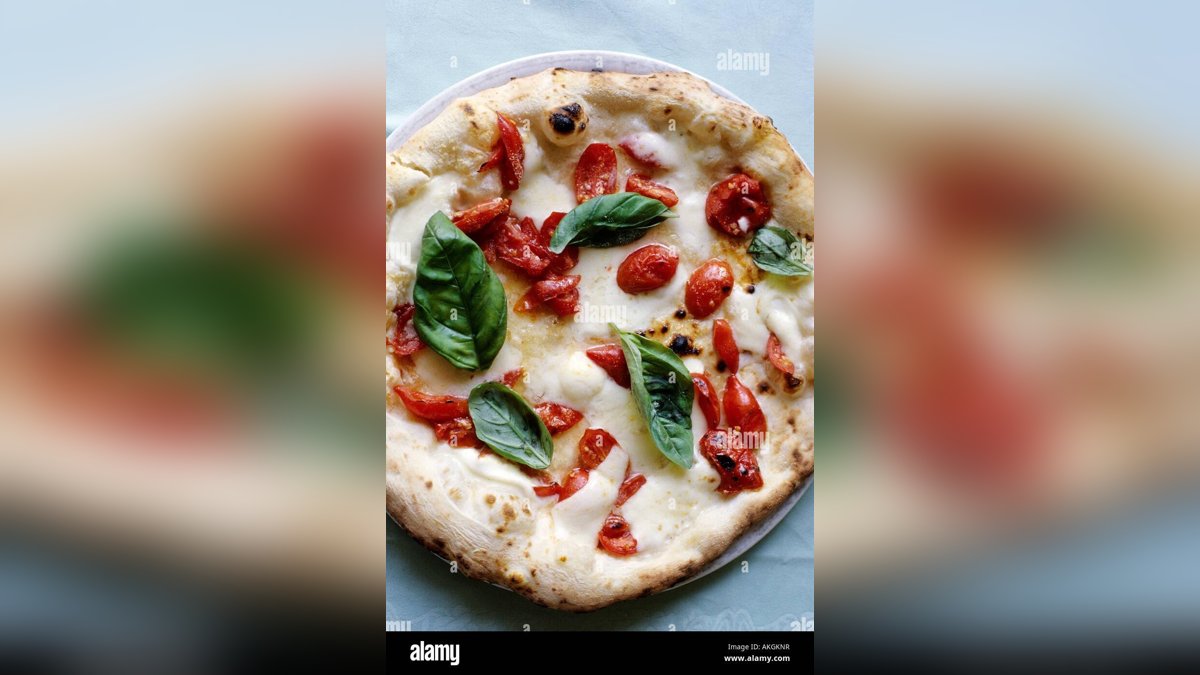
In June 1889, Queen Margherita of Savoy visited Naples and grew tired of the elaborate French dishes served at the royal court. She summoned the city's most famous pizzaiolo, Raffaele Esposito of Pizzeria Brandi, to create three pizzas for her tasting. One featured lard, caciocavallo, and basil; another used garlic, oil, and tomatoes; and the third--destined for immortality--combined tomatoes, mozzarella, and basil in a tricolor tribute to the Italian flag. The queen loved the third so much that Esposito named it after her: Pizza Margherita.
This story, while charming, is only part of the truth. Flatbreads topped with tomatoes, cheese, and herbs had been eaten in Naples for decades before 1889. What Esposito did was elevate a street food into a dish fit for royalty. The key was using San Marzano tomatoes grown in the volcanic soil of Mount Vesuvius, mozzarella di bufala from Campania's water buffalo, and fresh basil. These three ingredients--red, white, green--became the symbol of unified Italy and the template for pizza worldwide.
Key Stat: Pizzeria Brandi still operates in Naples today, and a commemorative plaque marks the spot where Esposito served Queen Margherita. The Associazione Verace Pizza Napoletana (AVPN) now certifies authentic Neapolitan pizzas globally, with over 1,000 pizzerias in 50+ countries meeting its strict standards.
The Margherita's genius lies in its simplicity. Unlike American pizzas loaded with toppings, the classic Neapolitan version uses only three to four ingredients on a thin, soft, chewy crust. This minimalism forces every component to be exceptional. The tomatoes must be sweet and low-acid; the mozzarella must be fresh, milky, and slightly tangy; the basil must be fragrant and whole-leaf. Even the olive oil--extra virgin, preferably from Campania--plays a supporting role that ties the flavors together.
2. The Science of the Perfect Neapolitan Crust
Authentic Margherita pizza starts with the dough. The AVPN specifies that the flour must be type 00 (finely milled, high protein), water (pH 6-7, no chlorine), sea salt, and fresh or dry yeast. No oil, no sugar, no eggs. The dough is kneaded by hand or with a low-speed mixer, then left to rise at room temperature for 8-24 hours. This long fermentation develops complex flavors and creates a light, airy structure with large bubbles in the cornicione (the raised edge).
The hydration ratio is critical: authentic Neapolitan dough uses 55-62% water relative to flour weight. Higher hydration yields a more open crumb but makes the dough stickier and harder to shape. After rising, each ball is hand-stretched--never rolled with a pin--to a diameter of 10-12 inches, with a thicker rim and a thinner center. The goal is a crust that is soft and elastic, not cracker-crisp. When baked at 800-900°F (430-480°C) for 60-90 seconds in a wood-fired oven, the moisture inside the dough turns to steam, puffing up the cornicione while the bottom chars in leopard-spot patterns.
Home cooks can approximate this with a pizza steel or stone preheated in the hottest possible oven (500°F+) for at least 45 minutes. A broiler setting in the last minute helps mimic the intense top heat of a wood-fired oven. The dough should be stretched thin--about 1/8 inch in the center--and topped sparingly. Overloading the pizza with sauce or cheese creates steam that prevents the crust from cooking properly.
3. The Holy Trinity: Tomatoes, Mozzarella, Basil
San Marzano tomatoes are the gold standard. These plum tomatoes, grown in the Agro Sarnese-Nocerino region, are sweeter, less acidic, and have thicker flesh than standard Roma tomatoes. They are hand-crushed or passed through a food mill--never cooked before topping the pizza. The sauce is simply crushed tomatoes, a pinch of salt, and sometimes a drizzle of olive oil. No garlic, no oregano, no sugar. The heat of the oven concentrates the flavor and caramelizes the natural sugars.
Mozzarella di bufala campana is the traditional cheese, made from water buffalo milk. It has a higher fat content (up to 50%) than cow's milk mozzarella, giving it a richer, creamier texture and a slight tang. The cheese is sliced or torn into pieces and distributed evenly, leaving gaps so the tomato sauce shows through. During baking, the mozzarella melts into milky pools without becoming rubbery. Fior di latte (cow's milk mozzarella) is a common substitute but lacks the same depth.
Fresh basil is added after baking to preserve its volatile oils. The leaves are torn by hand--never cut with a knife, which can bruise them--and scattered over the hot pizza. The residual heat releases the basil's aroma without wilting it. Some pizzaioli add a few basil leaves before baking for a slightly different flavor, but the classic method is post-oven. A final drizzle of extra virgin olive oil completes the dish.
4. Technique: How to Make Authentic Margherita at Home
Start with 500g of type 00 flour, 300ml of cool water, 10g of sea salt, and 2g of fresh yeast (or 1g active dry yeast). Dissolve the yeast in the water, then add the flour and salt. Mix until a shaggy dough forms, then knead for 10-15 minutes until smooth and elastic. Cover and let rise at room temperature for 8-12 hours, or refrigerate for up to 24 hours for more flavor. Divide into 4 equal balls (about 200g each), place on a floured tray, and let rest for 2 hours at room temperature.
Preheat your oven to its maximum temperature (500°F/260°C or higher) with a pizza steel or stone on the top rack for at least 45 minutes. While the oven heats, prepare the sauce: crush one 400g can of San Marzano tomatoes by hand, add 1/2 tsp salt, and set aside. Slice 250g of fresh mozzarella di bufala and let it drain on paper towels to remove excess moisture--wet cheese creates a soggy crust.
To shape the pizza, dust a work surface with flour. Press the dough ball into a disc, then stretch from the center outward, leaving a thicker rim. Use your hands to gently pull the dough into a 10-12 inch circle. Transfer to a floured pizza peel. Spread 3-4 tablespoons of sauce in a thin layer, leaving a 1-inch border. Distribute the mozzarella pieces evenly. Slide the pizza onto the hot steel and bake for 4-6 minutes, until the crust is golden and the cheese bubbles. For a more authentic char, switch to broil for the last 30-60 seconds. Remove, top with fresh basil leaves and a drizzle of olive oil, and serve immediately.
5. Why Margherita Pizza Endures as a Global Standard
In an era of over-the-top toppings and stuffed crusts, the Margherita remains the benchmark for pizza quality. It is the first pizza evaluated in the annual World Pizza Championships, and many chefs argue that a pizzeria's Margherita reveals everything about its skill. The simplicity leaves no room for error--bad tomatoes, poor cheese, or a dense crust are immediately obvious. This transparency has made the Margherita a symbol of culinary integrity.
Its influence extends beyond Italy. In the United States, the Neapolitan-style Margherita sparked the artisanal pizza movement of the 2000s, with pizzerias like Roberta's in Brooklyn and Pizzeria Bianco in Phoenix championing wood-fired, ingredient-driven pies. In Japan, chefs add local twists like shiso leaves or yuzu zest while respecting the core structure. The UNESCO recognition of Neapolitan pizza-making as an Intangible Cultural Heritage in 2017 cemented its status as a global treasure.
For home cooks, mastering the Margherita is a rite of passage. It teaches patience (the dough needs time), precision (the oven must be hot), and respect for ingredients. Once you've tasted a properly made Margherita--with its charred, chewy crust, sweet-savory tomato sauce, milky mozzarella, and fragrant basil--you understand why this simple pizza has conquered the world. It is not just food; it is a lesson in how excellence emerges from restraint.