New England Lobster Roll: Buttery Seafood Bliss on a Toasted...
Jordan Myers
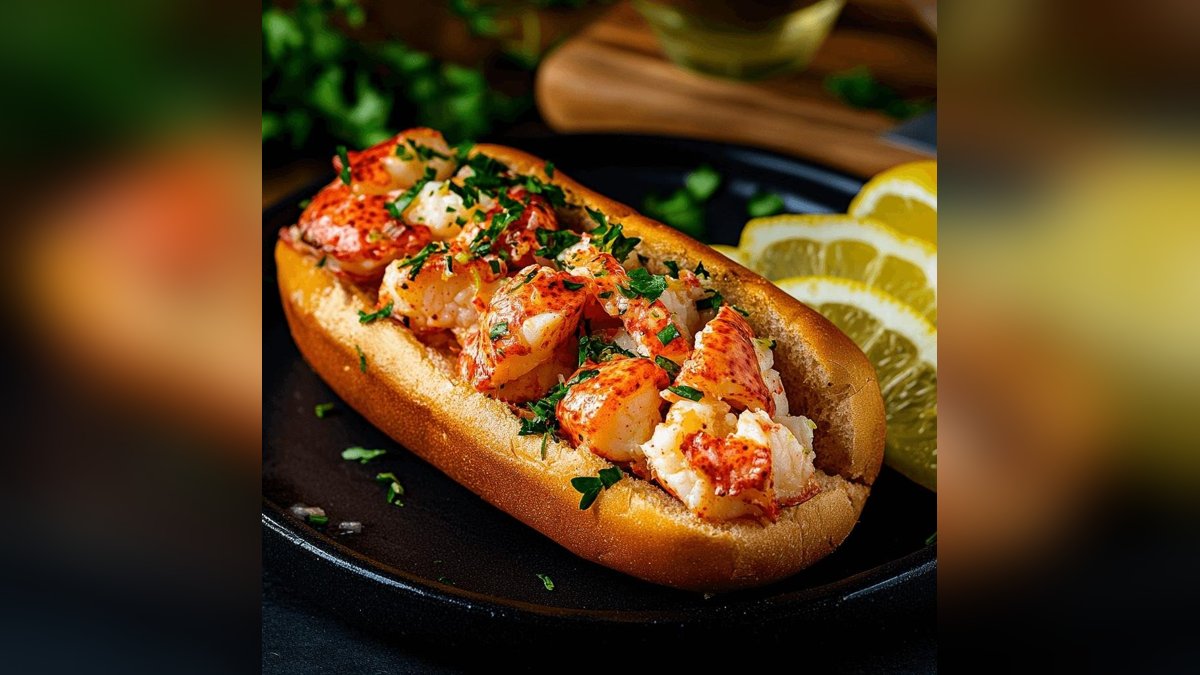
1. The Perfect Bun: Why Toasting Matters
The foundation of any authentic New England lobster roll is the bun. Traditionalists insist on a top-split, soft-sided hot dog bun, often called a New England-style bun. These buns have flat sides that toast evenly and a split top that cradles the filling. The key is to butter the outside generously and toast it on a griddle or in a skillet until golden brown and crisp. This creates a barrier that prevents the bun from getting soggy from the lobster salad, while adding a rich, nutty flavor that complements the sweet seafood.
Toasting also adds texture contrast. The exterior becomes crunchy, while the interior remains soft and pillowy. Many home cooks skip this step, but it's non-negotiable for the best results. Use unsalted butter to control the salt level, and toast just before assembling. A perfectly toasted bun should be warm throughout, with a light golden crust that shatters slightly when bitten.
Pro tip: For the ultimate crunch, brush the bun with clarified butter (ghee) before toasting -- it has a higher smoke point and won't burn as quickly, giving you a deeper golden color without bitterness.
If you can't find New England-style buns, you can substitute with brioche hot dog buns or even split-top hamburger buns. Just be sure to toast them well. Avoid standard side-split buns, as they tend to tear and don't hold the filling as securely.
2. Lobster Selection: Fresh vs. Frozen and Meat Prep
The star of the show is the lobster meat. For the best flavor and texture, use freshly cooked whole lobsters. A 1.5-pound lobster yields about 4 to 5 ounces of meat, so plan for one lobster per roll. If you're serving a crowd, buying pre-cooked lobster meat from a reputable fishmonger is a great time-saver. Look for meat that is firm, moist, and free of any off-putting ammonia smell.
Frozen lobster meat can work in a pinch, but it often has a softer, less sweet texture. If using frozen, thaw it overnight in the refrigerator and pat it dry with paper towels to remove excess moisture. Never microwave or boil frozen lobster meat -- it will become rubbery. For the best results, steam or boil live lobsters yourself. This gives you control over the cooking time and ensures the meat is perfectly tender.
When preparing the meat, chop it into bite-sized chunks -- about 1-inch pieces. Avoid mincing or shredding, as you want distinct, juicy pieces that showcase the lobster's natural sweetness. Some recipes call for reserving the claw meat whole for presentation, but for a classic roll, all meat is roughly equal in size. Remove any cartilage or shell fragments carefully.
3. The Dressing: Less Is More
A traditional New England lobster roll uses a light dressing that enhances, not masks, the lobster flavor. The classic combination is a small amount of mayonnaise, a squeeze of fresh lemon juice, and a pinch of salt and black pepper. Some cooks add a dash of celery salt or a sprinkle of fresh chives for a subtle herbal note. The goal is to coat the lobster meat just enough to bind it together, not drown it.
For a Connecticut-style variation (often called hot lobster roll), skip the mayo entirely and toss the lobster meat in warm melted butter. This version is served hot and is equally beloved. Both styles are valid, but the New England version is the most iconic. If you're feeling adventurous, you can add a tiny amount of Dijon mustard or a splash of hot sauce for a kick, but purists will tell you to keep it simple.
Let the dressed lobster rest for 5-10 minutes before assembling. This allows the flavors to meld. Taste and adjust seasoning -- the lobster should taste sweet and briny, with the mayo and lemon providing a bright, creamy counterpoint. Overdressing is the most common mistake; start with 2 tablespoons of mayo per pound of meat and add more only if needed.
4. Assembly and Serving: The Final Touch
Assembling the lobster roll is quick once all components are ready. Start with your toasted bun. Pile the dressed lobster meat generously into the split, letting it mound slightly above the bun. The filling should be visible and abundant -- this is not a skimpy sandwich. Top with a small sprinkle of paprika or fresh parsley for color, and serve immediately.
Classic accompaniments include a side of potato chips (preferably kettle-cooked for crunch), a pickle spear, and a lemon wedge. Some restaurants serve it with coleslaw or french fries, but simplicity is key. The lobster roll should be the star. Serve it on a plate or in a paper-lined basket for a casual feel. For a more upscale presentation, add a small ramekin of melted butter for dipping.
Temperature matters: the bun should be warm, the lobster should be chilled (for New England style) or warm (for Connecticut style). Never serve a lukewarm roll. If you're making multiple rolls, keep the toasted buns in a warm oven (200°F) while you assemble, and keep the lobster salad refrigerated until the last minute.
5. Regional Variations and Expert Tips
While the classic New England lobster roll is a simple affair, regional variations abound. In Maine, you'll often find it served with a side of drawn butter and a sprinkle of celery salt. In Connecticut, the hot buttered version reigns supreme. Some coastal spots add a touch of Old Bay seasoning or a smear of garlic aioli. For a modern twist, try adding diced avocado or a drizzle of truffle oil -- but purists may scoff.
Expert tip: For the best texture, use a mix of claw, knuckle, and tail meat. Tail meat is firm and sweet, claw meat is tender and flavorful, and knuckle meat is delicate. Combining them gives a more complex eating experience. Also, never use imitation lobster -- it's made from white fish and lacks the authentic taste and texture.
If you're hosting a lobster roll party, set up a DIY bar with toasted buns, both mayo and butter dressings, and toppings like lemon wedges, fresh herbs, and sea salt. Let guests customize their rolls. This is a fun, interactive way to serve a crowd and lets everyone enjoy their preferred style.
Finally, remember that the best lobster rolls are made with love and patience. Don't rush the toasting, don't overdress the meat, and always use the freshest ingredients you can find. With these tips, you'll create a buttery seafood bliss that transports you straight to the New England coast.