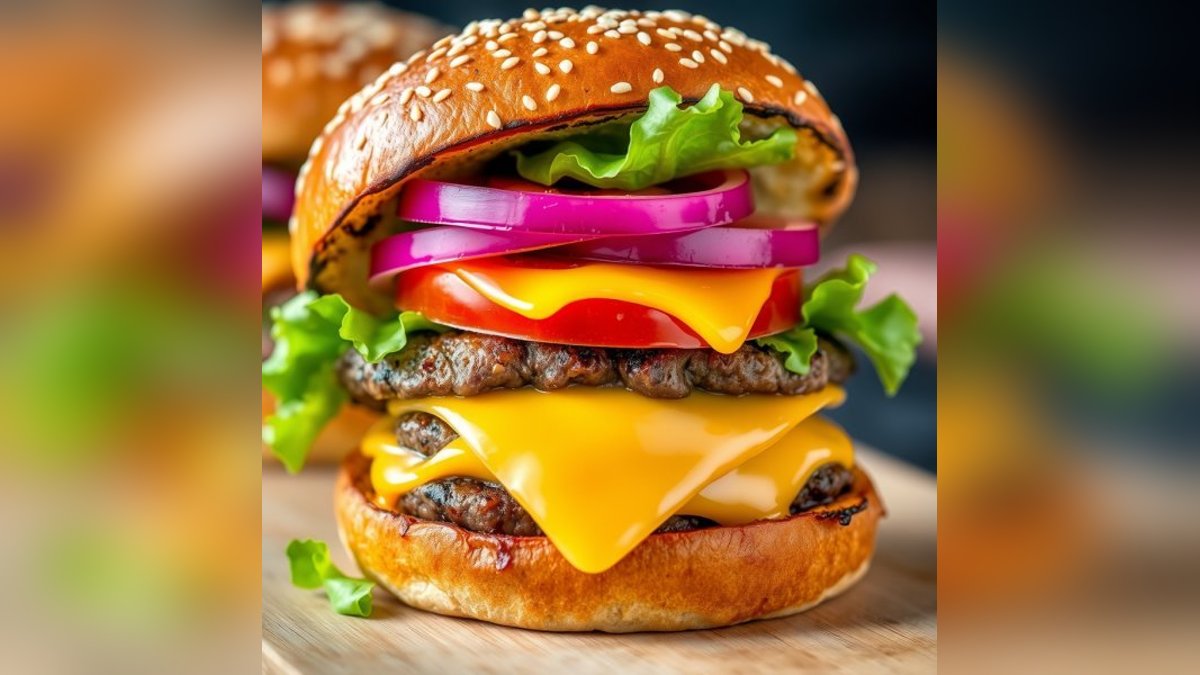
1. Meat Selection and Fat Ratio: The Foundation of Flavor
The journey to the perfect classic American cheeseburger begins at the butcher counter. While many home cooks grab any ground beef off the shelf, professional chefs know that the fat-to-lean ratio is the single most important variable in patty construction. The USDA allows ground beef to contain up to 30% fat, but the sweet spot for a juicy, flavorful burger that holds together on the griddle is 80/20 -- 80% lean meat to 20% fat.
Why 20% fat? Fat renders during cooking, basting the meat fibers from within and creating that unmistakable mouthfeel. Drop to 90/10, and you get a dry, crumbly patty that tastes more like a hockey puck than a cheeseburger. Go to 70/30, and you risk excessive shrinkage -- up to 25% of the patty's diameter -- plus flare-ups on the grill that char the exterior before the interior reaches a safe temperature. Chuck roast, with its ideal marbling, is the gold standard. Some burger artisans blend chuck with short rib or brisket for added complexity, but for the classic American cheeseburger, straight 80/20 chuck delivers consistent, nostalgic results.
Expert Tip: According to the American Meat Science Association, ground beef with 20% fat retains 30% more moisture during cooking than 90/10 blends, directly translating to a juicier bite.
Grinding your own meat gives you control over texture. A coarse grind (3/8-inch plate) preserves meat structure, while a fine grind can produce a sausage-like density. For the classic smash-style burger, a medium-coarse grind allows the patty to hold together during the high-heat sear while still breaking apart easily on the tongue. Always keep the meat cold -- below 40°F -- until it hits the heat. Warm fat smears rather than renders, creating a greasy, not juicy, result.
2. Patty Formation and the Smash Technique: Maximizing the Maillard Reaction
The Maillard reaction -- the chemical process between amino acids and reducing sugars that creates hundreds of flavor compounds -- is the holy grail of burger science. This reaction occurs between 280°F and 330°F, producing the brown crust that delivers savory, umami, and slightly nutty notes. The classic American cheeseburger achieves this best through the smash technique: pressing a ball of ground beef onto a screaming-hot griddle or cast-iron pan.
Forming the patty requires a light touch. Overworking the meat compresses the protein structure, resulting in a dense, tough burger. Instead, portion 4-ounce balls of ground beef and refrigerate them until ready to cook. When the griddle hits 375°F to 400°F, place the ball on the surface and immediately smash it flat with a heavy spatula or bacon press. A 4-ounce ball should flatten to about 4 inches in diameter and 1/4-inch thick. The thin profile maximizes surface area contact with the heat, ensuring the entire patty develops that coveted crust in under 90 seconds.
Why does thin work better than thick for the classic cheeseburger? Thicker patties require longer cooking times, which drives moisture from the center before the exterior achieves full browning. A smashed patty cooks so quickly that the interior remains pink and juicy while the exterior reaches deep mahogany. This technique also creates irregular edges -- those crispy, lacy bits that shatter when you bite into them. For the classic American cheeseburger, thin and crispy beats thick and gray every time.
3. Cheese Selection and Melting Dynamics: The Glue That Holds It Together
American cheese is not a compromise -- it's a technological marvel designed specifically for cheeseburgers. Processed American cheese contains sodium citrate and other emulsifying salts that prevent the cheese from breaking into an oily mess when heated. Unlike cheddar, which can separate into fat and protein solids, American cheese melts into a uniform, creamy layer that clings to the patty without sliding off. This is why the classic American cheeseburger traditionally uses American cheese.
The science of melting involves casein proteins and fat globules. When heated, the fat in cheese liquefies, but the protein network must remain intact to trap that fat. Natural cheeses like cheddar or Swiss have stronger protein bonds that require higher temperatures to break, often leading to burnt edges before the center melts. American cheese's emulsifiers lower the melting point to around 130°F, perfectly aligned with the patty's final cooking temperature. Place the slice on the patty during the last 30 seconds of cooking, then cover with a dome or a second pan to trap steam and accelerate melting.
For those who prefer a more artisanal approach, blending cheeses can work. A mix of 70% American cheese and 30% sharp cheddar provides the meltability of processed cheese with the tang of aged cheddar. Avoid pre-shredded cheeses -- they contain cellulose and starches that inhibit smooth melting. Always slice your own from a block for the best texture and flavor integration.
4. Bun Chemistry and Toasting: The Structural Foundation
The bun is not merely a vessel -- it's an active participant in the burger experience. A classic American cheeseburger demands a soft, slightly sweet bun that can absorb juices without disintegrating. The ideal bun has a hydration ratio of 60-65%, meaning the dough contains 60-65 grams of water per 100 grams of flour. This creates a tender crumb that compresses easily under pressure but springs back when released. Brioche-style buns, with their egg and butter enrichment, offer the perfect balance of richness and structural integrity.
Toasting the bun is non-negotiable. A untoasted bun becomes a soggy mess within minutes of assembly, as moisture from the patty, cheese, and condiments migrates into the bread. Toasting creates a barrier of caramelized sugars and denatured proteins that repels moisture. Butter the cut sides of the bun and toast them on the griddle for 45-60 seconds until golden brown. The Maillard reaction on the bun adds another layer of flavor complexity -- nutty, buttery notes that complement the beef.
The bun-to-patty ratio matters. A 4-ounce patty pairs best with a 4-inch bun. Too large a bun overwhelms the meat; too small a bun leaves the patty hanging over the edges, leading to structural failure. The bun should also be sturdy enough to hold up to the toppings without tearing. A good test: squeeze the bun gently before toasting. If it compresses more than 50% without tearing, it's too fragile. If it barely compresses, it's too dense and will dominate the bite.
5. Assembly Order and Resting: The Final 30 Seconds That Make or Break the Burger
The order of assembly determines whether your classic American cheeseburger holds together or falls apart. Start with the bottom bun, then add the cheese-topped patty immediately after it comes off the griddle. The residual heat from the patty continues melting the cheese and warms the bun. Next, add pickles -- their acidity cuts through the fat and provides a textural contrast. Then lettuce and tomato, but place them on top of the patty, not directly on the bun, to prevent the bun from getting soggy. Finally, the top bun, which should have been toasted alongside the bottom.
Resting the assembled burger for 30 seconds before serving is critical. This brief pause allows the juices to redistribute within the patty and the cheese to set slightly. If you bite into a burger immediately after assembly, the juices run out, leaving a dry patty and a messy plate. The 30-second rest also allows the bun to absorb just enough moisture from the patty to soften without becoming soggy. During this time, the internal temperature of the patty equalizes, ensuring every bite is consistently warm.
Condiments should be applied to the bun, not the patty. Ketchup, mustard, and mayonnaise act as moisture barriers when spread on the toasted bun surfaces. This prevents the bun from absorbing liquid from the patty and toppings. For the classic American cheeseburger, the standard condiment trio is ketchup, yellow mustard, and dill pickle relish. Each brings a distinct function: ketchup adds sweetness and acidity, mustard provides heat and emulsification, and relish contributes crunch and vinegar tang. Together, they create a balanced flavor profile that has defined American burger culture for over a century.