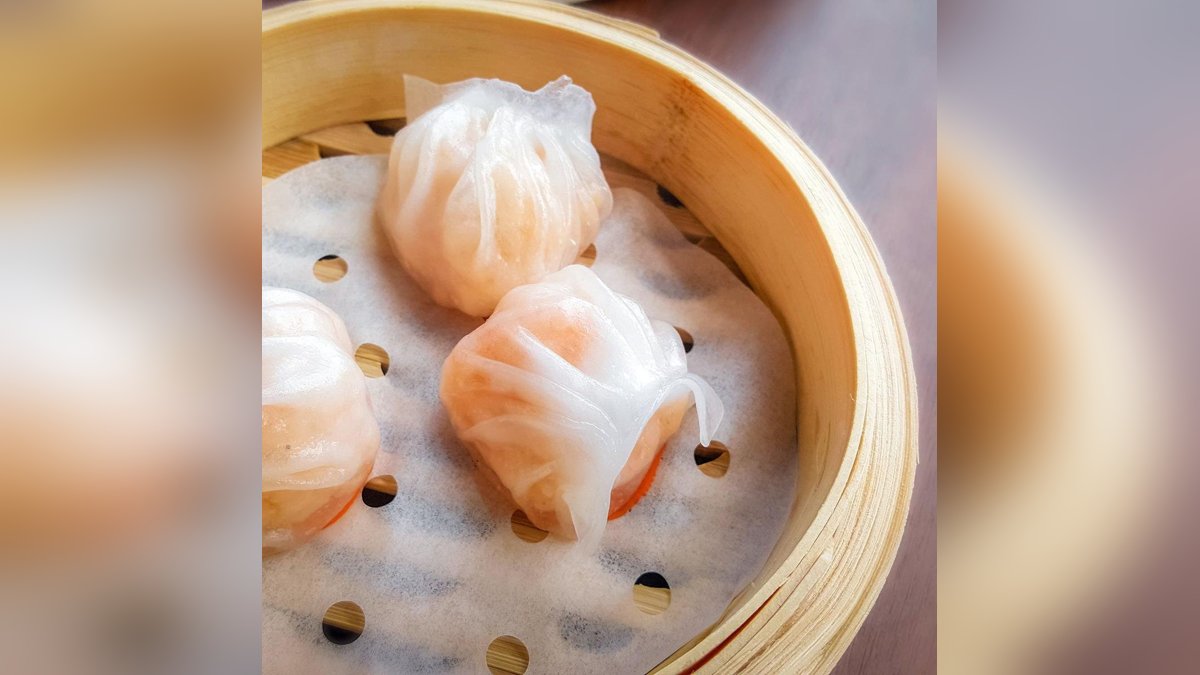
What Makes Har Gow the Crown Jewel of Dim Sum
Har Gow (), or crystal shrimp dumplings, are widely regarded as the ultimate benchmark of Cantonese dim sum craftsmanship. Unlike heavier dumplings like siu mai or char siu bao, Har Gow demands precision in every element: the wrapper must be thin enough to see the pink shrimp inside, yet sturdy enough to hold its shape after steaming. The filling is pure shrimp--no pork, no vegetables--seasoned simply with salt, sugar, sesame oil, and a touch of bamboo shoot for crunch. This minimalist approach means there is nowhere to hide: any mistake in the dough or seasoning is immediately visible and tasted.
In traditional dim sum restaurants, the quality of a chef is often judged by their Har Gow. A perfect dumpling has exactly 9 to 13 pleats on its crescent-shaped wrapper, the skin is translucent and slightly chewy, and the shrimp filling is bouncy and juicy. The dish originated in Guangzhou (Canton) in the early 20th century, evolving from street snacks served with tea into a refined delicacy. Today, it remains a staple of yum cha (tea drinking) culture and a must-order item on any dim sum menu.
Expert Tip: The ideal Har Gow wrapper should be so thin that you can read a newspaper through it--but it must never tear during steaming. Achieving this balance requires a specific dough made from wheat starch and tapioca starch.
The Science of the Crystal Wrapper: Wheat Starch and Tapioca Starch
The hallmark of Har Gow is its translucent, slightly elastic wrapper. This is not made from standard wheat flour, but from a blend of wheat starch () and tapioca starch. Wheat starch provides the white, opaque base, while tapioca starch adds elasticity and that signature glossy, see-through quality when cooked. The ratio is typically 3 parts wheat starch to 1 part tapioca starch, though some chefs adjust based on humidity and desired texture.
The dough is prepared by scalding the starches with boiling water--a technique called tangmian (). This gelatinizes the starches, creating a pliable dough that can be rolled out paper-thin without cracking. The water temperature must be precisely at a rolling boil (100°C/212°F); if it's too cool, the dough will be brittle. After mixing, the dough is kneaded while still hot, then rested under a damp cloth to prevent drying. Each wrapper is rolled into a thin circle about 3 inches in diameter, with the center slightly thicker than the edges to prevent tearing under the filling.
One common mistake home cooks make is using too much tapioca starch, which makes the wrapper rubbery, or too little, which makes it opaque and tough. The perfect crystal wrapper should have a slight chew but yield easily when bitten. Professional dim sum chefs often test their dough by holding a rolled wrapper up to a light--if it's uniformly translucent, it's ready. This attention to detail is what separates a good Har Gow from a great one.
Filling Perfection: Selecting and Preparing the Shrimp
The filling for Har Gow is deceptively simple: raw shrimp, bamboo shoots, and a few seasonings. But the quality of the shrimp is paramount. Most top-tier dim sum restaurants use large, fresh prawns (preferably 16/20 count per pound) that are peeled, deveined, and then chopped into small chunks--not minced. The goal is to retain a chunky texture so each bite has a satisfying snap. Some chefs reserve a few whole shrimp to place on top of the filling for visual appeal.
Seasoning is minimal to let the shrimp shine: a pinch of salt, a teaspoon of sugar (to enhance natural sweetness), a dash of white pepper, a drizzle of sesame oil, and a splash of Shaoxing wine. The bamboo shoots are finely diced and blanched to remove any bitterness, then squeezed dry before mixing. They add a subtle crunch and moisture contrast to the tender shrimp. Some modern variations include a small amount of pork fat or chicken fat for extra juiciness, but purists insist on fat-free filling.
The key technique is to stir the filling vigorously in one direction until it becomes sticky and cohesive--this is called "beating the filling" and creates a bouncy, springy texture when steamed. Over-mixing, however, can make the shrimp tough. The filling should be chilled before wrapping to make it easier to handle. A well-prepared filling will hold together without falling apart during steaming, and the shrimp will be perfectly cooked--just opaque and juicy, never rubbery.
The Art of Pleating: 9 to 13 Folds of Mastery
Pleating is the most visible sign of a dim sum chef's skill. Har Gow is traditionally folded into a crescent shape with a series of small pleats along the sealed edge. The number of pleats varies by region and chef, but the standard range is 9 to 13. Each pleat must be evenly spaced and of uniform size, creating a scalloped edge that resembles a seashell. The pleats are not just decorative--they also ensure the dumpling is sealed tightly so no juice escapes during steaming.
To pleat properly, the wrapper is held in the palm of the non-dominant hand, with the filling placed slightly off-center. The dominant hand folds the wrapper over the filling, then uses the thumb and index finger to pinch and fold small sections of the edge, pressing each fold against the back edge to seal. The process requires practice and patience; even experienced chefs may take years to achieve consistent pleats. In some dim sum competitions, judges deduct points for uneven pleats or dumplings that are not perfectly symmetrical.
For home cooks, achieving 13 pleats is challenging but not impossible. Start with a smaller number (5-7) and focus on sealing the dumpling securely. Use a damp cloth to keep the dough from drying out, and work quickly. If the wrapper tears, patch it with a small piece of dough--but this is a sign that the dough is too dry or the filling is too wet. Practice on a few test dumplings before committing to a full batch. Remember, even imperfect Har Gow taste delicious.
Steaming to Perfection: Timing and Temperature Control
Steaming is the final and most delicate step. Har Gow must be steamed over high heat for exactly 4 to 6 minutes--any longer and the wrapper becomes tough and the shrimp overcooks; any shorter and the dough remains raw and sticky. The dumplings are placed on a lightly oiled bamboo steamer lined with parchment paper or cabbage leaves to prevent sticking. They should not touch each other, as they expand slightly during steaming.
The steamer must be preheated and the water must be at a rolling boil before the dumplings go in. Cover the steamer with a lid and do not peek for the first 3 minutes, as sudden temperature drops can cause the wrappers to collapse. After 4 minutes, check one dumpling by cutting it open--the wrapper should be translucent and the shrimp should be just cooked through, with no raw gray spots. If the dumplings are overcrowded or the heat is too low, they will steam unevenly and the wrappers may become gummy.
Once steamed, Har Gow should be served immediately. They do not hold well--within minutes, the wrapper begins to dry out and harden. This is why dim sum restaurants serve them in small batches, often as soon as they come out of the steamer. For home cooks, it's best to steam only as many as you can eat in one sitting. Leftover dumplings can be refrigerated and pan-fried the next day, but they will never regain their original crystal texture.
Pairing and Serving Suggestions for the Ultimate Dim Sum Experience
Har Gow is traditionally served with a small dish of soy sauce, sometimes mixed with a drop of sesame oil or chili oil. However, many purists argue that the dumpling is so perfectly seasoned that it needs no dipping sauce. The ideal accompaniment is a pot of hot Chinese tea--oolong, jasmine, or pu-erh--which cleanses the palate between bites and complements the delicate shrimp flavor. In a full dim sum spread, Har Gow is often ordered alongside siu mai, cheong fun (rice noodle rolls), and chicken feet.
For a modern twist, some chefs serve Har Gow with a light ginger-scallion vinaigrette or a drizzle of black vinegar. Others experiment with fillings like lobster, scallop, or even truffle, though these variations are controversial among traditionalists. The key is to respect the original: the shrimp should remain the star, and any additions should enhance rather than overpower.
When dining out, look for Har Gow that are served hot, with a glossy, translucent wrapper and visible pink shrimp. Avoid dumplings that look dull, dry, or have cracked wrappers--these are signs of poor technique or reheating. A great Har Gow is a moment of pure, unadulterated seafood bliss, and it's worth seeking out the best dim sum house in your city to experience it at its peak.