Omurice: Japan's Beloved Western
JM
Jordan Myers
Prep Time
15 mins
Cook Time
30 mins
Servings
4
Difficulty
Medium
What Is Omurice? The Japanese Comfort Food That Blends East and West
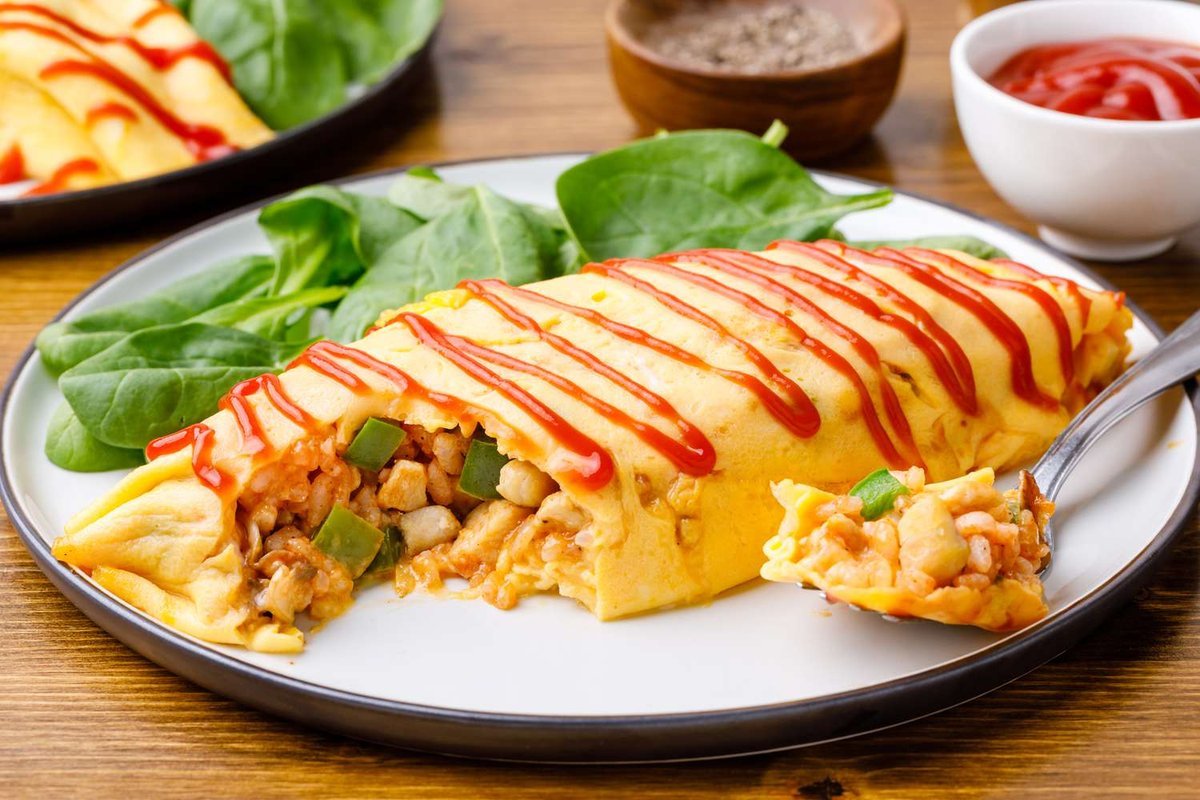
Omurice -- a portmanteau of the French word omelette and the English word rice -- is one of Japan's most beloved yōshoku (Western-style) dishes. At its core, omurice consists of a thin, fluffy omelette wrapped around or draped over a mound of ketchup-seasoned fried rice, typically filled with chicken, onions, peas, and carrots. The dish is then often topped with a squiggle of ketchup or demi-glace sauce, making it as visually playful as it is delicious.
First created in the early 20th century at Tokyo's Renga-tei restaurant, omurice was born from Japan's Meiji-era fascination with Western cuisine. The original version was a simple omelette stuffed with rice pilaf, but over the decades, it evolved into the ketchup-rice classic we know today. By the 1960s, omurice had become a staple of Japanese home cooking and a signature item at family restaurants like Saizeriya and casual diners across the country.
Key Stat: According to a 2023 survey by the Japan Food Culture Association, omurice ranks as the third most nostalgic comfort food among Japanese adults aged 20-49, behind only curry rice and ramen. Over 70% of respondents reported eating omurice at least once during childhood.
What makes omurice so special is its dual identity. It feels familiar to Western palates -- eggs, rice, ketchup -- yet the preparation and presentation are distinctly Japanese. The omelette is intentionally undercooked on the inside so that when you cut into it with a spoon, the soft, custard-like egg spills over the rice like a blanket. This dramatic moment, often captured in food videos, is part of the omurice experience.
The Perfect Fried Rice Base: Ketchup, Chicken, and Umami
The foundation of any great omurice is the fried rice. Unlike Chinese-style fried rice, which relies on soy sauce and wok hei, omurice rice is seasoned primarily with ketchup. This gives it a sweet-tangy profile that pairs beautifully with the rich egg. The standard recipe calls for cooked Japanese short-grain rice, diced chicken thigh, onion, green peas, and carrot, all stir-fried together with butter or oil.
To achieve the ideal texture, use day-old rice that has been refrigerated overnight. Freshly cooked rice is too moist and sticky, resulting in a clumpy, gummy base. The rice should be firm and separate, with each grain coated in the ketchup mixture. A common mistake is adding too much ketchup -- start with 2 tablespoons per cup of cooked rice and adjust. The goal is a light pink color, not a heavy red paste.
For the chicken, boneless thigh meat is preferred over breast because it stays juicy during high-heat stir-frying. Dice it into small, bite-sized pieces and cook it first until golden brown. Remove it from the pan, then sauté the onions until translucent before adding the rice. This step-by-step approach prevents the chicken from overcooking and ensures the onions release their sweetness.
Umami boosters are key. Many Japanese home cooks add a splash of soy sauce (about 1 teaspoon) and a pinch of dashi powder or chicken bouillon to the rice. Some even incorporate a small amount of butter at the end for richness. The result is a savory, slightly sweet rice that stands up to the egg without being overpowering.
The Omelette Technique: How to Achieve That Fluffy, Runny Interior
The omelette is the star of omurice, and mastering it requires practice. The ideal omurice omelette is thin enough to fold easily but thick enough to remain soft and custard-like inside. You'll need 2 to 3 large eggs per serving, beaten until homogeneous but not frothy. Over-beating incorporates too much air, leading to a puffy, dry omelette.
Heat a non-stick skillet over medium-high heat and add a generous pat of butter (about 1 tablespoon). Once the butter foams but doesn't brown, pour in the eggs. Immediately stir the eggs with chopsticks or a silicone spatula in a circular motion, creating small curds. This is the French-style technique that yields a creamy interior. When the eggs are about 70% set but still wet on top, stop stirring and let the omelette cook undisturbed for 10-15 seconds.
Now comes the critical step: folding. Using a spatula, fold one side of the omelette toward the center, then fold the opposite side over it, creating a cigar shape. The omelette should be pale yellow on the outside and slightly runny on the inside. Slide it directly onto the mound of rice, seam-side down. Some chefs prefer to invert the omelette onto the rice so the smooth side faces up -- this is a matter of personal preference.
For the dramatic "cut-open" effect that's popular on social media, the omelette must be sufficiently undercooked. If it's fully set, it won't flow over the rice. A good test: when you tilt the pan, the eggs should still jiggle slightly. This technique takes a few tries to perfect, but once you nail it, you'll understand why omurice is so satisfying to eat.
Regional Variations and Modern Twists on Classic Omurice
While the classic ketchup-rice omurice remains the gold standard, Japan has spawned countless regional and modern variations. In Osaka, you'll find omurice topped with a rich demi-glace sauce instead of ketchup, giving it a more savory, Western-bistro feel. This version, often called demi-glace omurice, is a staple at many yōshoku restaurants in the Kansai region.
In Hokkaido, some diners serve omurice with a creamy white sauce made from milk and cheese, creating a gratin-like dish. Others incorporate curry powder into the rice for a spiced twist. There's also tamago kake gohan omurice, where the rice is mixed with raw egg and soy sauce before being wrapped in the omelette -- a bold, umami-packed variation.
Internationally, chefs have experimented with non-traditional ingredients. In Los Angeles, a popular fusion restaurant serves omurice with sriracha-spiked rice and avocado. In Seoul, Korean-style omurice often includes kimchi and gochujang for a spicy kick. Even within Japan, you'll find omurice stuffed with mentaiko (spicy cod roe), salmon flakes, or even leftover curry.
For home cooks, the beauty of omurice is its adaptability. You can use whatever protein or vegetables you have on hand -- shrimp, ham, bell peppers, mushrooms, or corn all work well. The key is to maintain the balance of sweet, savory, and tangy flavors. If you're feeling adventurous, try making a soufflé omurice, where the egg white is whipped to stiff peaks and folded into the yolk before cooking, resulting in an impossibly airy, cloud-like omelette.
How to Serve and Enjoy Omurice Like a Pro
Presentation is everything with omurice. The classic serving style involves mounding the fried rice into an oval or dome shape on a plate, then draping the omelette over it. Some chefs use a spoon to create a small indent in the center of the rice to help the omelette settle. The final touch is a zigzag pattern of ketchup or sauce across the top, often accompanied by a sprinkle of parsley or a side of pickled vegetables.
In Japan, omurice is typically eaten with a spoon rather than chopsticks, because the soft egg and rice are easier to scoop. The first bite should include a bit of everything -- egg, rice, and sauce -- to experience the full flavor profile. Many people also enjoy omurice with a side of miso soup or a simple salad dressed with Japanese-style vinaigrette.
For a truly authentic experience, serve omurice on a classic Japanese Western-style plate -- a white ceramic dish with a slight rim. The contrast between the golden egg, pink rice, and red ketchup creates a visually appealing plate that's perfect for Instagram or dinner parties. If you're making omurice for children, consider drawing a smiley face or animal shape with the ketchup to make it more fun.
Leftover omurice can be stored in the refrigerator for up to two days, but the omelette will lose its fluffy texture. To reheat, microwave the rice separately and make a fresh omelette -- it takes only 2 minutes and makes a world of difference. Alternatively, you can chop the leftover omurice into pieces and stir-fry it with additional vegetables for a quick fried rice dish.
if you're a seasoned home cook or a beginner, omurice is a rewarding dish that teaches fundamental techniques -- perfect rice, a tender omelette, and balanced seasoning. It's a testament to Japan's genius for taking foreign influences and making them uniquely, deliciously their own.
Japanese CuisineComfort FoodOmelette RecipesFried RiceYoshokuAsian Fusion