Braised Sea Cucumber with Scallion: Shandong's Imperial Banquet...
Jordan Myers
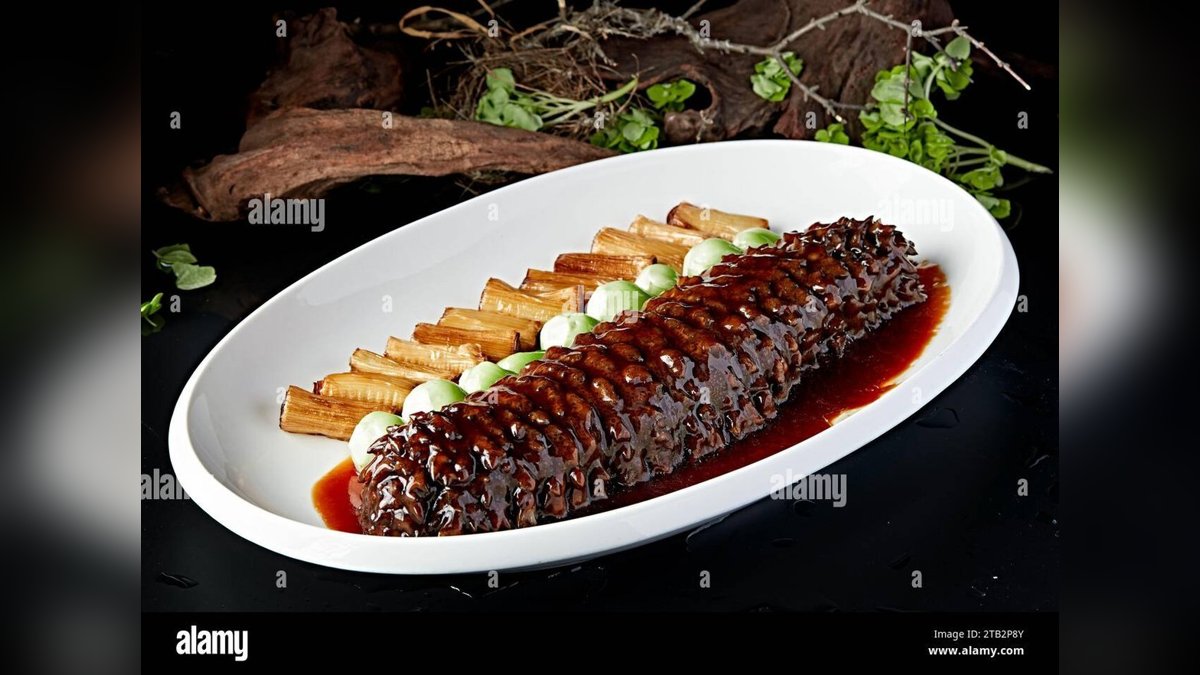
The Imperial Legacy of Braised Sea Cucumber with Scallion
Braised Sea Cucumber with Scallion (, cōng shāo hǎishēn) stands as one of the crown jewels of Shandong cuisine, a culinary tradition that has shaped Chinese imperial cooking for centuries. This dish represents the pinnacle of the Lu culinary school, one of China's Eight Great Cuisines, known for its emphasis on fresh ingredients, rich sauces, and meticulous preparation techniques. The sea cucumber itself, a marine invertebrate prized in Chinese gastronomy for its gelatinous texture and health benefits, transforms through hours of careful braising into a tender, flavor-absorbing delicacy.
The historical roots of this dish trace back to the Ming and Qing dynasties, when Shandong chefs served in the imperial kitchens of Beijing. The region's coastal location provided access to premium sea cucumbers, while the inland agricultural abundance supplied the scallions that give the dish its distinctive aromatic profile.
According to historical records from the Qing Dynasty imperial kitchen, Braised Sea Cucumber with Scallion was one of the 'Manchu Han Imperial Feast' dishes, a 108-course banquet that showcased the finest culinary achievements of China's two dominant ethnic groups.Today, this dish remains a symbol of status and sophistication, often reserved for celebratory banquets and formal gatherings.
What sets Shandong's preparation apart from other regional variations is the double-braising technique: the sea cucumber is first simmered in a rich chicken and pork bone broth to infuse umami, then braised again with caramelized scallions in a soy-based sauce. This method ensures the sea cucumber absorbs layers of flavor while maintaining its signature springy yet tender bite. The scallions, typically from Shandong's Zhangqiu region, are prized for their sweetness and mild pungency, which balance the sea cucumber's subtle oceanic notes.
Selecting and Preparing Premium Sea Cucumbers
The foundation of an exceptional Braised Sea Cucumber with Scallion lies in the quality of the sea cucumber itself. Dried sea cucumbers, known as hǎishēn, are the traditional choice for this dish, as the rehydration process concentrates their flavor and develops the desired gelatinous texture. When selecting dried sea cucumbers, look for specimens that are uniform in shape, with a firm texture and a natural dark brown to black color. The surface should have distinct, evenly spaced papillae (small bumps), which indicate proper drying and species quality. Japanese and North Korean sea cucumbers, particularly the 'spiky' varieties, are considered premium due to their thick body walls and superior collagen content.
Rehydrating dried sea cucumbers requires patience and precision. The process typically takes 3-5 days and involves multiple steps: first, rinse the sea cucumbers to remove surface dust, then soak them in cold water for 24 hours, changing the water every 8 hours. After the initial soak, bring the sea cucumbers to a boil in fresh water, then simmer for 30 minutes. Allow them to cool in the cooking liquid overnight. Repeat this boiling and cooling cycle 2-3 times until the sea cucumbers have expanded to 3-4 times their original size and feel tender when pressed. The final step involves removing the internal organs and cutting a small slit along the belly to ensure even cooking. For those short on time, pre-rehydrated frozen sea cucumbers are available from specialty Asian markets, though they often lack the depth of flavor achieved through traditional methods.
Fresh sea cucumbers, while less common in Western markets, can also be used. They require less preparation time but benefit from a brief blanching in ginger and scallion water to remove any fishy odors. Regardless of the type chosen, the sea cucumber's ability to absorb surrounding flavors makes it a canvas for the braising liquid. The key is to avoid overcooking, which can turn the texture mushy, or undercooking, which leaves it rubbery. The ideal texture is often described as 'Q' (chewy with a slight bounce), a prized quality in Chinese cuisine.
The Art of the Braising Liquid and Scallion Preparation
The braising liquid is where the magic of this dish truly unfolds. A classic Shandong recipe begins with a base of chicken stock, Shaoxing wine, and light soy sauce, enriched with rock sugar for a subtle sweetness that balances the savory elements. The liquid is simmered with aromatics including ginger, star anise, and a small piece of dried tangerine peel, which adds a citrusy brightness without overpowering the sea cucumber. The proportion of soy sauce is critical: too much darkens the dish excessively, while too little fails to develop the characteristic mahogany color. A ratio of 2 parts light soy sauce to 1 part dark soy sauce is standard, with the dark soy contributing color and a hint of caramelized depth.
Scallions, the namesake ingredient, receive equal attention. In Shandong cuisine, the scallions are not merely a garnish but a core component that infuses the entire dish. The white and light green parts are cut into 2-inch sections and gently fried in lard or vegetable oil until golden brown and caramelized. This process, known as 'scallion oil' preparation, releases the scallions' natural sugars and creates a fragrant base for the braise. Some chefs reserve a portion of the scallion greens for a final garnish, adding a fresh, crisp contrast to the rich sauce. The choice of scallion variety matters: Zhangqiu scallions, with their thick white stalks and mild flavor, are ideal, but large green onions from farmers' markets can substitute if sourced fresh.
The braising process itself is a study in patience. After the scallions are caramelized, the sea cucumbers are added to the pot along with the braising liquid. The mixture is brought to a gentle simmer, then covered and cooked over low heat for 45 minutes to 1 hour. During this time, the sea cucumbers absorb the liquid, becoming plump and flavorful. The sauce is then reduced by half, concentrating its flavors and achieving a glossy, velvety consistency that clings to each piece. A final drizzle of sesame oil and a sprinkle of white pepper enhance the aroma before serving. The result is a dish where each component--the tender sea cucumber, the sweet scallions, the rich sauce--harmonizes without any single element dominating.
Cultural Significance and Modern Interpretations
Braised Sea Cucumber with Scallion occupies a unique place in Chinese culinary culture, symbolizing prosperity, health, and social status. Sea cucumbers have been used in traditional Chinese medicine for centuries, believed to nourish the kidneys, strengthen the immune system, and promote joint health due to their high collagen content. This medicinal association elevates the dish beyond mere sustenance, making it a thoughtful choice for banquets honoring elders or celebrating important milestones. In Shandong province, the dish is particularly associated with the Spring Festival and wedding feasts, where its presence signals the host's generosity and respect for guests.
Modern chefs have begun to reinterpret this classic while respecting its traditional foundations. In upscale Chinese restaurants worldwide, you might find variations that incorporate Western techniques such as sous-vide cooking for the sea cucumber, ensuring precise temperature control and consistent texture. Some chefs experiment with alternative braising liquids, using aged Shaoxing wine or adding a touch of truffle oil for an umami boost. Others present the dish in individual portions, plating the sea cucumber atop a bed of sautéed baby bok choy or alongside steamed jasmine rice, making it more accessible to diners unfamiliar with the traditional family-style service.
For home cooks eager to attempt this dish, the key is to embrace the process rather than rush it. Start with high-quality dried sea cucumbers from a reputable Asian grocer, and allocate sufficient time for rehydration. The braising liquid can be prepared a day in advance, allowing the flavors to meld. While the dish requires patience, the reward is a deeply satisfying, restaurant-quality meal that connects you to centuries of Chinese culinary heritage. Pair it with a light, floral tea like jasmine or a crisp white wine such as a dry Riesling to complement the richness without overwhelming the palate.
Nutritional Profile and Health Benefits
Beyond its culinary appeal, Braised Sea Cucumber with Scallion offers notable nutritional benefits that align with modern wellness trends. Sea cucumbers are exceptionally low in fat and calories while being rich in protein, providing about 13 grams of protein per 100-gram serving. They are an excellent source of collagen, which supports skin elasticity, joint health, and bone density. Additionally, sea cucumbers contain chondroitin sulfate, a compound commonly used in supplements for arthritis relief, and a range of minerals including calcium, magnesium, and zinc. The scallions contribute dietary fiber, vitamin K, and antioxidants such as quercetin, which has anti-inflammatory properties.
The braising method itself is a healthy cooking technique, as it requires minimal added fat compared to frying. The use of rock sugar in moderation provides a touch of sweetness without the glycemic spike of refined sugar. However, the soy sauce content means the dish is relatively high in sodium, so those monitoring their salt intake should adjust the recipe accordingly or use low-sodium soy sauce. Overall, when enjoyed as part of a balanced diet, this dish offers a unique combination of indulgence and nutrition that few other foods can match.