White Cut Chicken: Cantonese Poached Chicken with...
Jordan Myers
What Is White Cut Chicken (Bai Qie Ji)?
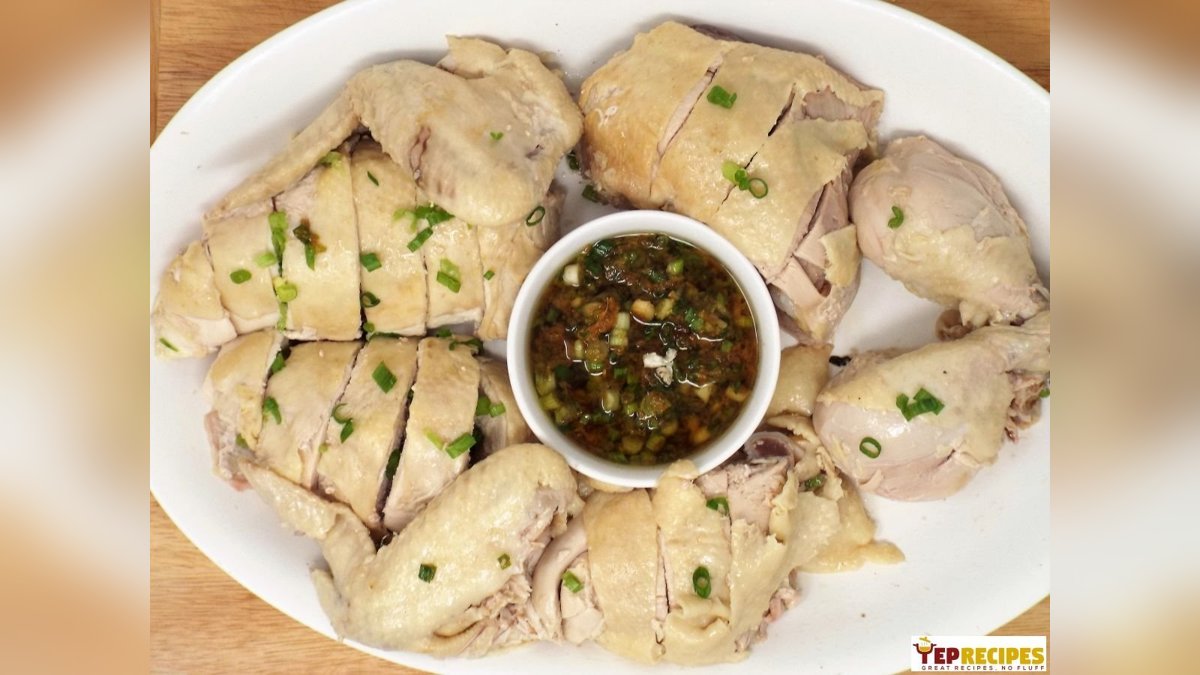
White Cut Chicken, known in Cantonese as Bai Qie Ji (), is one of the most revered dishes in southern Chinese cuisine. Unlike roasted or fried chicken, this dish relies on a gentle poaching technique that yields impossibly tender meat and silky, gelatinous skin. The chicken is served at room temperature with a simple but powerful ginger-scallion dip, allowing the natural flavor of high-quality poultry to shine.
This dish is a staple at Cantonese banquets, family dinners, and even casual dim sum houses. Its beauty lies in its restraint--no heavy sauces, no complex spice blends. The hallmark of a great White Cut Chicken is the perfect doneness: the meat near the bone should be just cooked through, still juicy, and the skin should have a delicate, almost jelly-like texture. The accompanying dip, made from fresh ginger, scallions, and hot oil, provides a bright, aromatic counterpoint that elevates every bite.
According to traditional Cantonese chefs, the ideal internal temperature for poached chicken is 165°F (74°C) at the thickest part of the thigh, but the chicken should be plunged into an ice bath immediately after cooking to stop the carryover heat and tighten the skin.
Historically, White Cut Chicken originated in the Guangdong province, where fresh, free-range chickens were prized for their superior flavor and texture. The dish reflects the Cantonese philosophy of ching ()--purity and simplicity--where the cook's skill is measured by how well they enhance, rather than mask, the ingredient's natural qualities. Today, it remains a benchmark for Chinese culinary technique, often used to evaluate a chef's proficiency in poaching and knife work.
Essential Ingredients for Authentic White Cut Chicken
The success of White Cut Chicken depends almost entirely on the quality of your ingredients. Since the seasoning is minimal, every component must be top-notch. Here is what you need for a restaurant-quality result at home.
The Chicken: A 3- to 4-pound (1.4-1.8 kg) free-range or organic chicken is ideal. Look for a bird with yellow skin, which indicates a corn-fed diet and richer flavor. Avoid broiler-fryer chickens that are too large, as they can become tough during poaching. The chicken should be at room temperature before cooking to ensure even poaching.
Aromatics for the Poaching Liquid: The poaching broth is not meant to be a soup but a gentle bath that imparts subtle fragrance. You will need 4-5 slices of fresh ginger, 3-4 whole scallions (white parts only, lightly smashed), 1 tablespoon of Shaoxing wine or dry sherry, and 1 teaspoon of salt. Some chefs add a piece of dried tangerine peel or a star anise for extra depth, but purists keep it simple.
For the Ginger-Scallion Dip: This is the soul of the dish. You need 3 tablespoons of finely minced fresh ginger (peeled), 4-5 scallions (green parts only, thinly sliced), 1/2 teaspoon of salt, and 1/3 cup of neutral oil (such as grapeseed or peanut oil). The oil must be heated until shimmering but not smoking, then poured over the ginger and scallions to release their aroma. A splash of sesame oil at the end adds nuttiness.
Ice Bath: A large bowl of ice water is crucial for shocking the chicken after poaching. This stops the cooking process, tightens the skin, and gives it that signature glossy, firm texture.
Step-by-Step Poaching Technique for Silky Perfection
Poaching a whole chicken might seem intimidating, but with careful temperature control and timing, you can achieve results that rival your favorite Cantonese restaurant. Follow these steps precisely.
Step 1: Prepare the Chicken and Broth. Rinse the chicken inside and out, and pat it dry with paper towels. Rub 1 teaspoon of salt all over the skin and inside the cavity. Let it rest at room temperature for 30 minutes. Meanwhile, fill a large pot (big enough to hold the chicken fully submerged) with enough water to cover the bird by 2 inches. Add the ginger slices, scallion whites, Shaoxing wine, and salt. Bring the water to a boil, then reduce to a gentle simmer--around 180°F (82°C). You should see small bubbles rising, but no rolling boil.
Step 2: The Triple-Dip Method. Hold the chicken by the legs and lower it into the hot water for 10 seconds, then lift it out. Repeat this dipping and lifting process two more times. This allows the skin to tighten and the cavity to fill with hot water, ensuring even cooking. After the third dip, fully submerge the chicken. If the water level is insufficient, add more hot water. Place a heatproof plate or a steamer rack on top of the chicken to keep it submerged.
Step 3: Poach and Shock. Maintain the water temperature at 170-180°F (77-82°C) for 30-35 minutes for a 3.5-pound chicken. Do not let the water boil, or the meat will become tough. Use an instant-read thermometer to check the thickest part of the thigh--it should read 165°F (74°C). Immediately transfer the chicken to the ice bath and let it cool completely, about 10-15 minutes. This shock stops carryover cooking and firms the skin.
Step 4: Rest and Chop. Remove the chicken from the ice bath and pat it dry. Rub a thin layer of sesame oil over the skin to add sheen and prevent drying. Let it rest at room temperature for at least 20 minutes before chopping. To serve, use a cleaver to chop the chicken through the bone into bite-sized pieces, keeping the skin intact. Arrange on a platter and serve with the ginger-scallion dip on the side.
Making the Perfect Ginger-Scallion Dip
The ginger-scallion dip is deceptively simple, but getting the balance right is essential. This condiment should be aromatic, slightly salty, and bright, with a gentle heat from the ginger. It is not meant to be spicy but rather a fragrant accent.
Start by mincing the ginger very finely--almost to a paste. A microplane or a sharp knife works best. The scallions should be sliced into thin rings, using only the green parts for a milder flavor and vibrant color. Combine the ginger, scallions, and salt in a heatproof bowl. Heat the neutral oil in a small saucepan until it shimmers (about 350°F/175°C). Pour the hot oil over the ginger-scallion mixture--it should sizzle immediately. Stir well, then add a teaspoon of sesame oil. Let the dip cool to room temperature before serving. The oil can be made a few hours ahead, but it is best fresh.
Some variations include a splash of light soy sauce or a pinch of sugar, but traditionalists argue that salt alone allows the ginger and scallion to shine. The dip should be spooned over each piece of chicken just before eating, or served in a small bowl for dipping. Leftover dip is excellent on steamed fish, rice, or even tossed with noodles.
Pro Tips for Restaurant-Quality Results at Home
Mastering White Cut Chicken requires attention to detail. Here are insider tips from Cantonese chefs to improve your dish.
Use a Meat Thermometer. Guessing doneness by time alone is risky. A digital instant-read thermometer is your best friend. Insert it into the thickest part of the thigh without touching bone. At 165°F (74°C), the chicken is perfectly cooked. If you prefer the meat slightly pink near the bone (as many Cantonese connoisseurs do), aim for 160°F (71°C) and rely on carryover heat.
Don't Skip the Ice Bath. This step is non-negotiable. The rapid cooling stops the cooking process and creates that coveted jelly-like skin. If you skip it, the skin will be flabby and the meat may overcook. For extra-crispy skin, some chefs plunge the chicken into ice water with a handful of ice cubes and let it sit for 15 minutes.
Chop with a Cleaver. A sharp Chinese cleaver is the best tool for cutting through bones cleanly. Use a heavy, flat cleaver and a single, decisive blow per cut. If you don't have a cleaver, ask your butcher to chop the chicken for you, or use kitchen shears to separate the joints and then slice the meat off the bone. Presentation matters--arrange the pieces in the shape of the original chicken for a stunning platter.
Save the Poaching Liquid. The broth left after poaching is liquid gold. Strain it and use it as a base for soups, congee, or noodle dishes. It is rich in collagen and flavor from the chicken and aromatics. Refrigerate or freeze it for later use.
Serve at Room Temperature. White Cut Chicken is traditionally served at room temperature, not hot or cold. Chilling the chicken in the ice bath and then letting it rest achieves the ideal serving temperature. If you refrigerate leftovers, let them come to room temperature before serving to restore the texture.