Spanish Paella: Saffron
JM
Jordan Myers
Prep Time
15 mins
Cook Time
30 mins
Servings
4
Difficulty
Medium
1. The Origins of Spanish Paella: A Dish Born from Valencia's Coastal Fields
Spanish paella is more than a meal--it's a cultural icon rooted in the agricultural heart of Valencia. Originating in the mid-19th century, this saffron-infused rice dish was first cooked by farmworkers over open fires in the fields near the Albufera lagoon. They used whatever ingredients were available: rabbit, chicken, snails, and green beans, all cooked with short-grain rice in a wide, shallow pan called a paellera. The dish's name comes from this very pan, and the tradition of cooking it outdoors remains a cherished practice in Valencia today.
The key to authentic paella lies in the rice. Valencia's Bomba rice is prized for its ability to absorb up to three times its volume in liquid without becoming mushy, making it ideal for the signature socarrat--the crispy, caramelized crust that forms at the bottom of the pan. Saffron, harvested from the crocus flower, gives the dish its golden hue and earthy, floral aroma. While modern variations include seafood and mixed meats, the original Valencian paella remains a simple, rustic dish that celebrates local ingredients.
Today, paella is recognized globally as Spain's national dish, but purists insist that true paella can only be made in Valencia with local rice, olive oil, and saffron. The dish's evolution reflects Spain's diverse culinary history, from Moorish influences to New World ingredients like tomatoes and peppers. Understanding these roots helps home cooks appreciate the techniques that make paella so special.
Expert Tip: For the most authentic flavor, use Bomba rice and real Spanish saffron threads--not turmeric or food coloring. The saffron should be steeped in warm broth for at least 15 minutes before adding to the pan.
2. Essential Ingredients for Authentic Spanish Paella
Building a perfect paella starts with quality ingredients. The foundation is short-grain rice--Bomba or Calasparra are the best choices because they absorb liquid slowly and stay firm. Avoid long-grain varieties like basmati, which will turn mushy. The broth is equally important: a rich stock made from chicken, seafood shells, or vegetables provides depth. Saffron threads are non-negotiable for that distinctive color and flavor; use about 0.5 grams per 4 servings.
Protein choices vary by region. Traditional Valencian paella uses rabbit and chicken, while coastal versions feature shrimp, mussels, clams, and squid. For a mixed paella, combine chicken thighs (bone-in for flavor) with large shrimp and mussels. Vegetables like flat green beans (ferraura), artichokes, and piquillo peppers add texture. Garlic, smoked paprika (pimentón), and a pinch of cayenne provide warmth. Olive oil should be extra virgin Spanish, and the sofrito--a slow-cooked mixture of onion, tomato, and garlic--forms the flavor base.
Don't forget the finishing touches: lemon wedges for acidity, fresh parsley for brightness, and aioli (garlic mayonnaise) on the side. The socarrat is achieved by increasing heat in the final minutes, so listen for the crackling sound. A good paella should have separate, tender grains, not a risotto-like creaminess. Each ingredient plays a role, and substitutions should be made thoughtfully.
3. Step-by-Step Cooking Technique for Perfect Paella
Mastering paella requires attention to heat management and timing. Start by heating your paella pan over medium-high heat and adding olive oil. Sear the meat (chicken and rabbit) until golden brown on all sides, then set aside. In the same oil, sauté the sofrito: finely diced onion, garlic, and tomato until the mixture thickens and darkens. Add the green beans and cook for 2 minutes. Stir in smoked paprika and saffron threads, then pour in the broth--about 3 cups for every cup of rice.
Bring the broth to a boil, then add the rice in an even layer across the pan. Do not stir after this point--this is crucial. Reduce heat to a gentle simmer and cook for 18-20 minutes. Arrange the seared meat and seafood on top during the last 10 minutes. For the socarrat, increase heat to high for the final 2-3 minutes until you hear crackling and smell toasted rice. Remove from heat and cover with a clean kitchen towel for 5 minutes to let the flavors meld.
Common mistakes include stirring the rice (which releases starch and makes it gummy), using too much liquid (paella should be moist but not soupy), and overcrowding the pan. Use a pan that's at least 12 inches in diameter for 4 servings to ensure even cooking. The rice should form a single layer no more than 1 inch deep. Practice makes perfect--don't be discouraged if your first attempt lacks socarrat. With each try, you'll learn to read the heat and timing.
4. Regional Variations: Seafood, Mixed, and Vegetable Paella
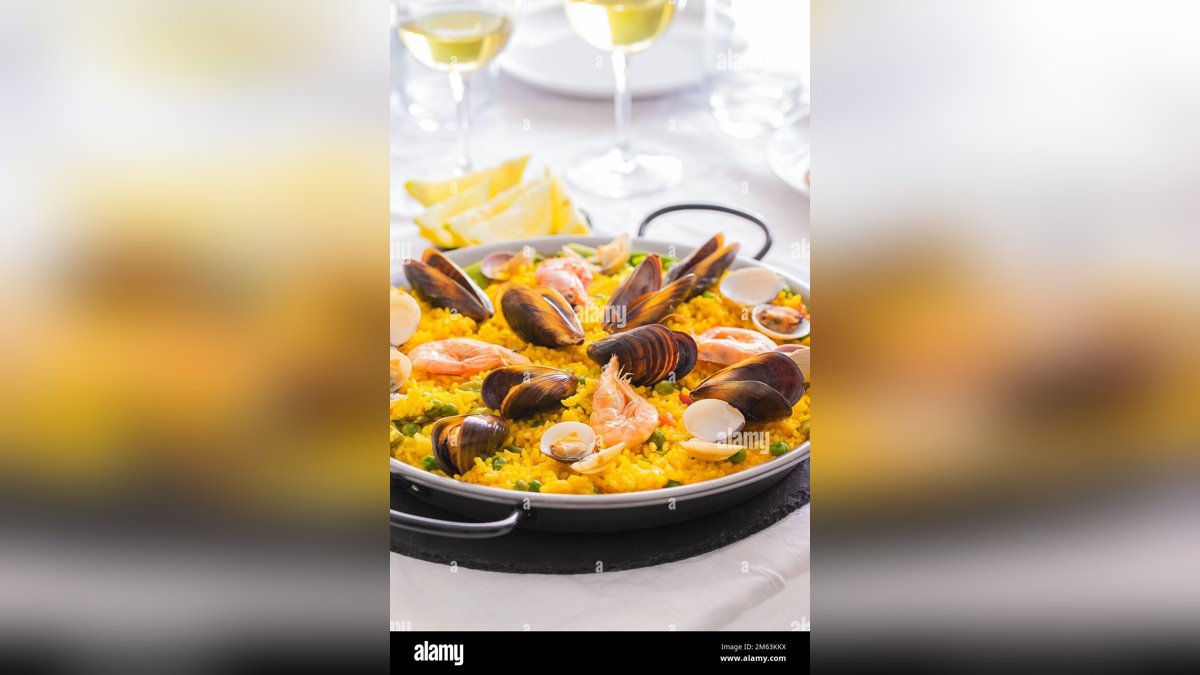
While Valencian paella is the original, Spain's diverse regions have created beloved variations. Seafood paella (paella de mariscos) replaces meat with shrimp, mussels, clams, squid, and sometimes lobster. The broth is made from fish and shellfish shells, and the dish is often finished with a squeeze of lemon. This version is popular along the Mediterranean coast, especially in Barcelona and Alicante. The key is to avoid overcooking the seafood--add delicate items like mussels and shrimp in the last 5 minutes.
Mixed paella (paella mixta) combines chicken, chorizo, and seafood, though purists argue this is not traditional. It's a crowd-pleaser for those who want variety. The chorizo adds smoky richness, but be careful not to use too much, as it can overpower the saffron. Vegetable paella (paella de verduras) is a lighter option featuring artichokes, bell peppers, peas, and sometimes mushrooms. Use a vegetable broth infused with saffron and smoked paprika for depth. Some cooks add artichoke hearts and roasted red peppers for sweetness.
Other notable variations include paella negra (black paella) made with squid ink, and arroz a banda, a rice dish cooked in fish broth and served with aioli. Inland regions might use duck, snails, or even pork ribs. The beauty of paella is its adaptability--as long as you respect the rice-to-liquid ratio and the no-stir rule, you can experiment with seasonal ingredients. Each region's version tells a story of local agriculture and maritime traditions.
5. Expert Tips for Serving and Pairing Spanish Paella
Serving paella is a social affair. Traditionally, it's eaten directly from the pan at the center of the table, with each person using a wooden spoon to scoop from their section. This communal style encourages conversation and sharing. Provide small plates and forks, but don't be surprised if guests prefer eating straight from the pan. Garnish with lemon wedges, fresh parsley, and a dollop of aioli on the side. A crisp green salad with sherry vinaigrette balances the richness.
Wine pairings enhance the experience. For seafood paella, choose a dry Albariño or Verdejo from Rías Baixas--their citrus notes complement the saffron and shellfish. Mixed or meat-based paella pairs well with a young Rioja or a Garnacha, which have enough body to stand up to the smoky paprika. For a non-alcoholic option, try sparkling water with a splash of lemon or a Spanish-style iced tea with mint. Avoid heavy red wines that can overwhelm the delicate saffron flavor.
Leftover paella can be reheated in a skillet with a splash of broth to restore moisture. The socarrat will soften, but the flavors deepen overnight. Some cooks even make arroz caldoso (soupy rice) the next day by adding more broth and simmering. Paella is best enjoyed fresh, but with proper storage, it keeps for up to 3 days in the refrigerator. Freezing is not recommended as the rice texture suffers. Remember: the soul of paella is patience and simplicity--let the ingredients shine.
Spanish CuisineRice DishesValenciaSaffronSeafoodTraditional Recipes