Li Hongzhang Chop Suey: Anhui's Legendary Official's Mixed Stew...
JM
Jordan Myers
Prep Time
15 mins
Cook Time
30 mins
Servings
4
Difficulty
Medium
The Origins of Li Hongzhang Chop Suey: A Diplomatic Culinary Legend
Li Hongzhang Chop Suey, known in Chinese as Li Hongzhang Zasui (), is a storied dish from Anhui province that carries the weight of history in every spoonful. Unlike the Americanized chop suey found in Western Chinese restaurants, this version is a refined, complex stew that reflects the sophistication of late Qing dynasty court cuisine. The dish is named after Li Hongzhang (1823-1901), a towering figure in Chinese history--a statesman, diplomat, and general who served as Viceroy of Zhili and was instrumental in modernizing China's military and infrastructure.
The most popular origin story dates to 1896, when Li Hongzhang visited New York City as part of a diplomatic mission. According to culinary historians, Li's personal chef prepared a mixed stew using available Western ingredients to satisfy the official's palate while abroad. Another account suggests that during a banquet for American dignitaries, Li requested a dish that combined multiple leftovers into a single harmonious pot, impressing guests with its depth of flavor. Regardless of the exact narrative, the dish became a symbol of cultural exchange and adaptability.
Key Stat: Li Hongzhang's 1896 US tour was the first high-level Chinese diplomatic visit to America, and the chop suey dish named after him became so popular that by the 1900s, it was a staple on Chinese restaurant menus across the United States, spawning a culinary trend that lasted decades.
In Anhui, the dish evolved into a local specialty that showcases the province's culinary philosophy: using simple, fresh ingredients to create layered, umami-rich flavors. Unlike the thick, sauce-laden American chop suey, the Anhui version is a clear-broth stew that highlights the natural taste of each component. It typically includes chicken, shrimp, pork, bamboo shoots, mushrooms, and various vegetables, all simmered gently to meld their essences.
Key Ingredients: The Building Blocks of a Legendary Stew
Li Hongzhang Chop Suey is defined by its diverse yet balanced ingredient list. The dish is not a random assortment but a carefully curated selection of proteins and vegetables that complement each other. The core components include:
- Chicken breast: Provides a lean, mild protein base that absorbs the broth's flavors.
- Shrimp: Adds sweetness and a delicate texture, contrasting with the heartier meats.
- Pork tenderloin: Contributes richness and a subtle savory note.
- Bamboo shoots: Offer a crunchy texture and earthy, slightly sweet taste.
- Shiitake mushrooms: Infuse the broth with deep umami and a meaty chew.
- Napa cabbage or bok choy: Adds freshness and a mild bitterness that balances the richness.
- Wood ear mushrooms: Provide a unique gelatinous crunch and absorb the broth.
- Ginger and scallions: Aromatic foundations that brighten the dish.
- Shaoxing wine: A key seasoning that adds complexity and depth.
- Chicken stock: The backbone of the stew, preferably homemade for maximum flavor.
What sets this dish apart from other Chinese stews is the absence of heavy sauces. The broth is clear, seasoned lightly with salt and white pepper, allowing the natural flavors to shine. The ingredients are cut into uniform bite-sized pieces to ensure even cooking and a pleasing presentation. Some modern variations include additions like squid, fish balls, or tofu, but traditionalists stick to the classic lineup.
Step-by-Step Cooking Method: How to Make Authentic Li Hongzhang Chop Suey
Creating this dish at home requires attention to detail but is achievable for any home cook. The process emphasizes proper preparation and timing to ensure each ingredient retains its texture. Here is a detailed guide:
- Prepare the ingredients: Slice 4 oz chicken breast, 4 oz pork tenderloin, and 4 oz shrimp into thin, bite-sized pieces. Marinate the chicken and pork with 1 tablespoon Shaoxing wine, 1 teaspoon soy sauce, and 1 teaspoon cornstarch for 15 minutes. Soak 4 dried shiitake mushrooms in warm water for 30 minutes, then slice. Cut 4 oz bamboo shoots into thin strips. Chop 2 cups napa cabbage into 2-inch pieces. Soak 1 oz dried wood ear mushrooms in warm water for 20 minutes, then rinse and tear into small pieces.
- Blanch the proteins: Bring a pot of water to a boil. Blanch the chicken and pork separately for 1 minute each, then remove and set aside. Blanch the shrimp for 30 seconds until pink. This step removes impurities and ensures the broth stays clear.
- Build the broth: In a large pot, heat 1 tablespoon vegetable oil over medium heat. Sauté 3 slices ginger and 2 chopped scallions until fragrant, about 1 minute. Add 6 cups chicken stock and bring to a simmer. Add the blanched chicken, pork, and shrimp, along with the shiitake mushrooms and bamboo shoots. Simmer gently for 10 minutes.
- Add vegetables: Stir in the napa cabbage and wood ear mushrooms. Cook for another 5 minutes until the cabbage is tender but still crisp. Season with 1 teaspoon salt, ½ teaspoon white pepper, and 1 teaspoon sesame oil. Adjust seasoning to taste.
- Finish and serve: Ladle the stew into a large serving bowl. Garnish with fresh scallion rings and a few drops of sesame oil. Serve immediately with steamed rice or as a soup course. The broth should be clear, aromatic, and deeply flavorful.
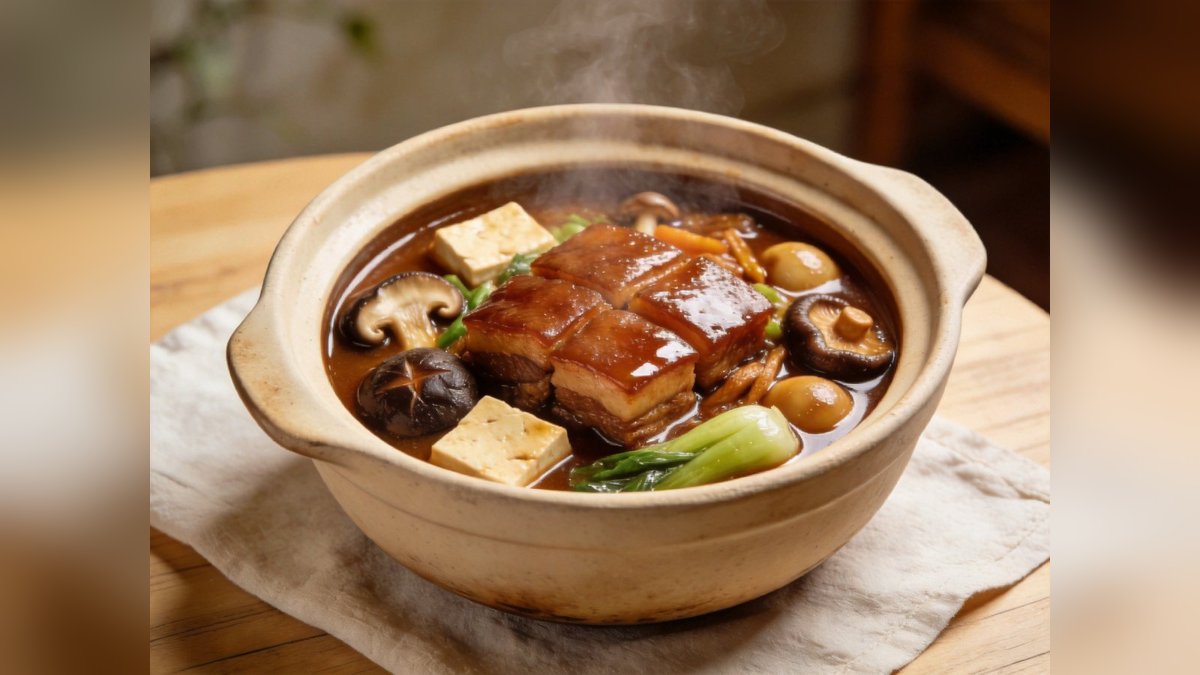
Pro tip: For an even more authentic taste, use a clay pot for simmering. The porous clay distributes heat evenly and enhances the broth's richness. Avoid overcooking the vegetables to maintain their vibrant color and crunch.
Cultural Significance and Modern Variations
Li Hongzhang Chop Suey is more than a recipe--it is a culinary artifact that tells the story of China's engagement with the West during a transformative period. The dish's name itself became a point of pride for Chinese immigrants in America, who used it to attract curious diners. In Anhui, it remains a beloved home-cooked meal and a restaurant staple, often served at family gatherings and festive occasions.
Today, chefs have reinterpreted the dish in various ways. Some add a splash of light soy sauce for a deeper color, while others incorporate Western ingredients like bell peppers or carrots to reflect Li Hongzhang's original fusion concept. A popular modern twist includes adding a poached egg on top, which enriches the broth when broken. Health-conscious cooks may substitute lean turkey for pork or use vegetable broth for a lighter version. Despite these innovations, the core principle remains: a harmonious blend of ingredients in a clear, savory broth.
For those seeking to explore Anhui cuisine further, Li Hongzhang Chop Suey pairs beautifully with other regional dishes like Stinky Mandarin Fish or Mao Doufu. The stew's mild, balanced flavor makes it an excellent palate cleanser between stronger courses. It also works well as a one-pot meal, providing protein, vegetables, and hydration in a single bowl.
Where to Find and How to Enjoy Li Hongzhang Chop Suey
In China, the best place to taste authentic Li Hongzhang Chop Suey is in Hefei, the capital of Anhui province, or in the historic city of Huangshan. Many traditional Anhui restaurants feature it on their menus, often prepared according to century-old family recipes. Outside China, the dish is less common but can be found in upscale Chinese restaurants that specialize in regional cuisines, particularly in cities with large Chinese communities like San Francisco, New York, and Vancouver.
When ordering, look for a clear broth with visible ingredients--avoid versions that are thick or gloppy, as these deviate from the original. The ideal serving temperature is hot but not scalding, allowing the flavors to unfold gradually. Pair it with jasmine tea or a light beer to complement the stew's subtlety. For a complete Anhui meal, start with a cold appetizer like Drunken Chicken, follow with Li Hongzhang Chop Suey, and finish with a simple dessert of osmanthus cake.
Making it at home is highly rewarding, as the dish freezes well and can be scaled for meal prep. Store leftovers in an airtight container for up to three days, or freeze for up to three months. Reheat gently on the stovetop, adding a splash of water if the broth has thickened. The flavors often deepen overnight, making it even more delicious the next day.
Anhui CuisineChinese HistoryStew RecipesQing DynastyCultural FusionHome Cooking