KFC Original Recipe Fried Chicken: The Colonel's Secret 11...
Jordan Myers
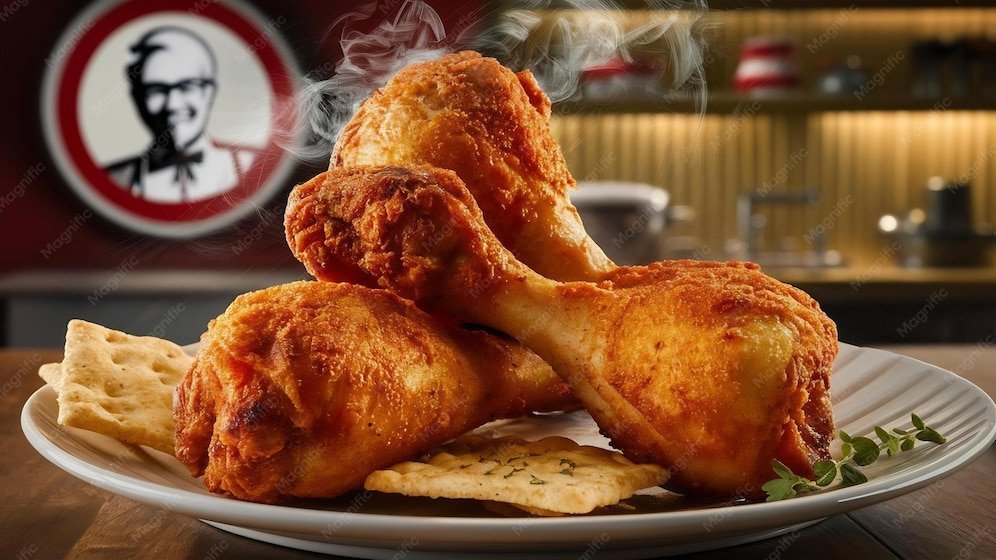
The Legend of Colonel Sanders and the Secret Recipe
Harland Sanders, known to the world as Colonel Sanders, was not always a fast-food icon. Before founding Kentucky Fried Chicken, he ran a gas station in Corbin, Kentucky, where he served meals to travelers. It was there, in the late 1930s, that he perfected his now-legendary fried chicken recipe. The Colonel's secret blend of 11 herbs and spices, combined with his unique pressure-cooking method, created a flavor profile that was unlike anything else on the market.
The recipe itself is one of the most closely guarded trade secrets in the food industry. It is said to be kept in a vault at KFC's corporate headquarters in Louisville, Kentucky, and only a handful of executives know the full formula. The blend is mixed by two separate suppliers, each handling a portion of the ingredients, to ensure no single person knows the complete recipe. This level of secrecy has only added to the mystique and allure of KFC's Original Recipe chicken.
Key Stat: KFC sells approximately 1.2 billion pieces of Original Recipe chicken annually worldwide, making it one of the most consumed fried chicken recipes in history.
The Colonel's commitment to quality was unwavering. He insisted on using fresh, never frozen, chickens and a specific cooking process that involved a precise temperature and time. This dedication to consistency and flavor turned a small roadside diner into a global phenomenon. Today, KFC operates in over 145 countries, and the Original Recipe remains the cornerstone of its menu.
Deconstructing the 11 Herbs and Spices
While the exact recipe is a secret, food scientists and culinary detectives have spent decades trying to reverse-engineer the blend. Through chemical analysis and historical research, a consensus has emerged on the likely components. The 11 herbs and spices are believed to include: salt, thyme, basil, oregano, celery salt, black pepper, dried mustard, paprika, garlic salt, ground ginger, and white pepper. Some versions also suggest a touch of MSG or citric acid for added umami and tang.
Paprika is a key player, giving the chicken its signature reddish-golden hue. Black and white pepper provide a layered heat that builds slowly, while garlic and onion powders add savory depth. The herbs--thyme, basil, and oregano--contribute an earthy, aromatic quality that balances the richness of the fried coating. Celery salt adds a subtle vegetal note, and ground ginger brings a hint of warmth and sweetness that rounds out the flavor profile.
It is important to note that the proportions are as critical as the ingredients themselves. A slight variation in the ratio of salt to pepper or the amount of paprika can dramatically alter the final taste. This is why home cooks who attempt to replicate the recipe often find their results fall short. The Colonel's blend is a masterclass in balance, where no single spice overpowers the others, but all work in harmony to create a complex, craveable flavor.
The Science Behind the Pressure-Fried Perfection
The cooking method is just as important as the seasoning. Colonel Sanders did not simply deep-fry his chicken; he used a pressure fryer. This technique, which he pioneered for commercial use, allows the chicken to cook at a higher temperature and faster rate than traditional deep frying. The pressure seals in the juices while the exterior becomes exceptionally crispy, creating a texture that is both tender and crunchy.
The pressure-frying process also affects how the coating adheres to the chicken. The steam generated inside the fryer helps the flour-and-spice mixture bond to the skin, preventing it from falling off during cooking. This results in a uniform, crunchy crust that stays intact with every bite. The oil temperature is carefully controlled at around 365°F, and the cooking time is precisely calibrated to ensure the meat reaches a safe internal temperature without drying out.
Another critical factor is the double-dredging technique. The chicken pieces are first dipped in a buttermilk-and-egg wash, then coated in the seasoned flour mixture. This creates a thick, craggy coating that fries up into those irresistible crunchy bits. The buttermilk also helps tenderize the meat, adding a slight tang that cuts through the richness of the fried coating. This combination of science and technique is what sets KFC's Original Recipe apart from ordinary fried chicken.
Why the Original Recipe Remains Unmatched
Decades after its creation, KFC's Original Recipe continues to dominate the fried chicken market. Its success can be attributed to a perfect storm of factors: a secret recipe that sparks curiosity, a cooking method that delivers consistent quality, and a brand story that resonates with consumers. The Colonel's image--a white-suited, goateed gentleman--has become one of the most recognizable mascots in the world, symbolizing home-style cooking and Southern hospitality.
Competitors have tried to replicate the recipe, but none have succeeded in capturing the exact flavor and texture. Chains like Popeyes and Chick-fil-A have their own loyal followings, but their recipes are distinctively different. Popeyes uses a spicier, more Cajun-inspired coating, while Chick-fil-A focuses on a pickle-brined, pressure-cooked chicken sandwich. KFC's Original Recipe occupies a unique niche: it is savory, herbaceous, and mildly spicy, with a texture that is simultaneously crunchy and juicy.
For home cooks, the quest to recreate the Colonel's recipe has become a culinary challenge. Countless blogs, YouTube videos, and cookbooks claim to have cracked the code, but none have been officially endorsed by KFC. The company has even gone so far as to trademark the phrase "Original Recipe" and legally protect the formula. This secrecy only fuels the public's fascination, ensuring that the legend of the 11 herbs and spices will endure for generations to come.
How to Enjoy KFC Original Recipe at Home
While you may never replicate the exact KFC recipe, you can come close with a few key techniques. Start by marinating chicken pieces in buttermilk for at least four hours, or overnight, to tenderize the meat. For the coating, combine all-purpose flour with a blend of spices: paprika, garlic powder, onion powder, dried thyme, dried basil, oregano, celery salt, ground ginger, white pepper, black pepper, and salt. Add a pinch of MSG if you want that authentic umami boost.
Use a pressure fryer if you have one; if not, a deep fryer set to 350°F will work. Fry the chicken in small batches to avoid lowering the oil temperature. Cook until the internal temperature reaches 165°F, about 12-15 minutes for drumsticks and thighs. Let the chicken rest on a wire rack for a few minutes before serving to allow the coating to set. Serve with classic sides like mashed potatoes, coleslaw, and a warm biscuit for the full KFC experience.
Remember, the magic of KFC's Original Recipe lies not just in the spices, but in the entire process--from the buttermilk marinade to the pressure frying. By following these steps, you can create a fried chicken that honors the Colonel's legacy, even if the exact 11 herbs and spices remain a mystery. Enjoy your homemade version with a side of nostalgia and a dash of Southern pride.