Longjing Shrimp: Zhejiang's Dragon Well Tea-Infused Stir
Jordan Myers
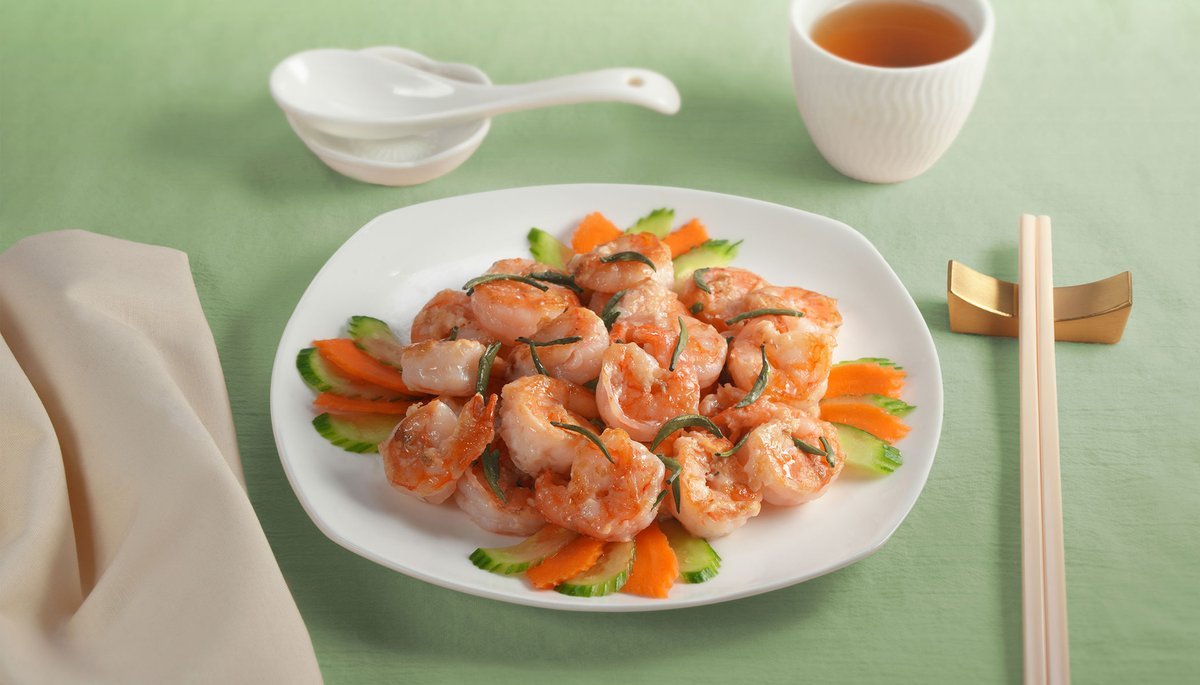
What Makes Longjing Shrimp a Zhejiang Masterpiece
Longjing Shrimp, or Longjing Xia Ren, is one of Hangzhou's most celebrated dishes, marrying the region's famed Dragon Well tea with fresh river shrimp. Unlike heavy, sauce-laden stir-fries, this dish is a study in restraint--the shrimp are barely cooked, the tea leaves are used whole, and the seasoning is minimal. The result is a plate that tastes of the misty hills of Zhejiang: clean, slightly sweet, with a faint vegetal bitterness from the tea.
The dish originated in the 1920s at the Lou Wai Lou restaurant on the shores of West Lake. Legend has it that a chef, inspired by the tea fields surrounding Hangzhou, experimented by adding freshly brewed Longjing leaves to a simple shrimp stir-fry. The combination was an instant hit, and today it remains a benchmark of Zhejiang cuisine--a cuisine known for its fresh ingredients, light sauces, and respect for natural flavors.
Key stat: Authentic Longjing Shrimp uses only the first-flush spring harvest of Dragon Well tea, which can cost upwards of $200 per pound for premium grades. The tea leaves are never steeped--they are added directly to the wok.
What sets this dish apart is the texture: the shrimp must be silky, almost slippery, with a slight bounce when bitten. Achieving this requires a technique called "velveting," where the shrimp are marinated with egg white, cornstarch, and rice wine before cooking. The tea leaves, meanwhile, are not just a garnish--they are briefly fried in oil to release their aroma, then tossed with the shrimp at the last moment. The entire cooking process takes less than three minutes.
The Perfect Shrimp: Selection and Preparation
The foundation of Longjing Shrimp is the shrimp itself. In Hangzhou, chefs insist on using he xia (river shrimp) from the nearby Qiantang River or Taihu Lake. These shrimp are small--typically 2 to 3 inches long--with a thin shell and a naturally sweet flavor. Their size allows them to cook in seconds, preventing the rubbery texture that plagues larger shrimp.
If you cannot source river shrimp, the best substitute is fresh white shrimp or small Gulf shrimp (size 31-40 per pound). Avoid frozen, pre-cooked shrimp at all costs--they will turn mushy. The shrimp must be peeled, leaving the tail intact for presentation, and deveined. A crucial step often overlooked: after peeling, rinse the shrimp under cold water for 2-3 minutes until the water runs clear. This removes any residual ammonia and firms the flesh.
Next comes the velveting marinade. For 1 pound of shrimp, whisk 1 egg white with 1 tablespoon of cornstarch, 1 teaspoon of Shaoxing rice wine, and a pinch of salt. Gently fold the shrimp into the mixture, coating each piece. Refrigerate for at least 30 minutes--this allows the egg white to penetrate the shrimp, creating a protective layer that seals in moisture during the high-heat stir-fry. Some chefs add a pinch of baking soda to the marinade for extra tenderness, but this is optional and can leave a metallic aftertaste if overused.
Dragon Well Tea: The Soul of the Dish
Longjing (Dragon Well) tea is the star ingredient, and its quality directly determines the dish's success. The tea is a pan-fired green tea from the West Lake region, known for its flat, sword-shaped leaves, pale green liquor, and chestnut-like aroma. For cooking, use a mid-grade Longjing--premium grades are too delicate and expensive, while low-grade teas are too bitter. The leaves should be whole, not broken, and harvested in spring (pre-Ming or pre-Grain Rain).
To prepare the tea, do not steep it in boiling water as you would for drinking. Instead, place 1 tablespoon of leaves in a small bowl and pour ¼ cup of water heated to 175°F (80°C) over them. Let them sit for 30 seconds, then drain. The leaves should be just softened, not fully brewed. Reserve the drained liquid--it will be used later to deglaze the wok. The softened leaves are then patted dry with a paper towel; any excess moisture will cause the oil to splatter.
When the leaves hit the hot oil, they will unfurl and release their aroma almost instantly. This is the moment to add the shrimp. The tea's chlorophyll and catechins impart a subtle bitterness that balances the shrimp's sweetness. The dish should not taste like a cup of tea--rather, the tea should be a whisper, a background note that elevates the shrimp without overpowering it.
Step-by-Step Cooking Technique
Longjing Shrimp is a high-heat, quick-cooking dish that demands preparation. Have all ingredients measured and within arm's reach before you turn on the burner. You will need a wok (carbon steel preferred), a spatula, and a heat source capable of reaching 500°F (260°C).
Heat 2 tablespoons of peanut or vegetable oil in the wok over high heat until it shimmers. Add the softened, drained tea leaves and stir-fry for 10 seconds--they will become fragrant and slightly crispy. Immediately add the velveted shrimp, spreading them in a single layer. Let them sear undisturbed for 20 seconds, then toss vigorously for another 30 seconds. The shrimp should turn pink and curl into a tight 'C' shape--if they form an 'O', they are overcooked.
Pour in 2 tablespoons of the reserved tea liquid along the side of the wok. The liquid will steam and deglaze the pan, creating a light sauce. Add a pinch of salt and a dash of white pepper (never black pepper, which will discolor the dish). Toss for 10 seconds, then transfer to a serving plate immediately. The entire cooking process from oil to plate should take no more than 90 seconds. Garnish with a few fresh, unsteeped tea leaves for visual contrast.
Serving and Pairing Suggestions
Longjing Shrimp is traditionally served as a middle course in a multi-dish meal, not as a main. It pairs beautifully with other Zhejiang classics like Dongpo Pork (braised pork belly) or West Lake Vinegar Fish, where the tea's lightness cuts through the richness. For a complete Hangzhou-style dinner, serve it alongside steamed rice, a bowl of clear broth, and a plate of stir-fried seasonal greens like bok choy or pea shoots.
Wine pairing is tricky--the dish's delicate flavors are easily overwhelmed. A dry Riesling from Germany or a Grüner Veltliner from Austria works well, as their acidity mirrors the tea's brightness. For beer, a Belgian witbier or a Japanese rice lager like Asahi Super Dry complements without competing. If you prefer tea, serve a second infusion of the same Longjing leaves used in the dish--the flavor will be milder and won't clash.
Leftovers are not recommended; the shrimp will become rubbery upon reheating. However, the dish can be served at room temperature, making it an excellent choice for a buffet or picnic. In Hangzhou, it is often presented on a white plate to highlight the contrast between the pink shrimp and green tea leaves--a visual representation of the region's aesthetic philosophy of simplicity and elegance.