Kung Pao Chicken: Authentic Sichuan Stir
Jordan Myers
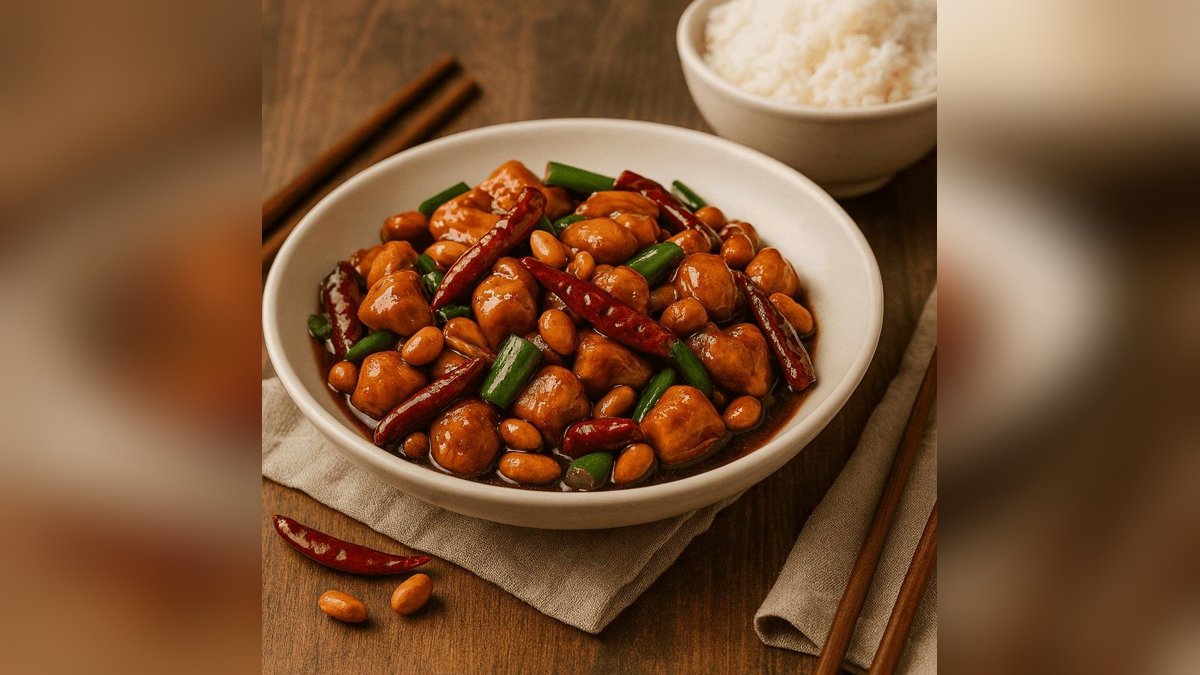
The Origins of Kung Pao Chicken: A Dish with Imperial Roots
Kung Pao Chicken (, Gōng Bǎo Jī Dīng) is one of the most celebrated dishes in Chinese cuisine, originating from the Sichuan province in southwestern China. Its name is derived from Ding Baozhen, a Qing Dynasty official who served as the governor of Sichuan in the late 19th century. Ding was known for his love of spicy food, and his personal chef created a dish featuring diced chicken, peanuts, and fiery chili peppers. The title 'Kung Pao' (or 'Gong Bao') was an honorary title meaning 'Palace Guardian,' reflecting Ding's high rank.
Unlike many Chinese dishes that evolved from peasant cooking, Kung Pao Chicken was born in the imperial kitchens. The original recipe was a closely guarded secret, but it eventually spread to the streets of Chengdu, the capital of Sichuan. Over time, it became a staple of Sichuan cuisine, known for its complex layering of flavors: the numbing heat of Sichuan peppercorns, the sweetness of sugar, the tang of vinegar, and the savory depth of soy sauce.
Today, Kung Pao Chicken is beloved worldwide, but many Western versions have strayed far from the original. Authentic Sichuan Kung Pao Chicken is not just about heat--it's about balance. The dish should hit your palate with a trifecta of sweet, spicy, and savory notes, all while delivering a satisfying crunch from roasted peanuts and a tender bite from the chicken.
Key Stat: Authentic Sichuan Kung Pao Chicken uses Sichuan peppercorns for a unique numbing sensation (málà), not just chili heat. This distinguishes it from Americanized versions that often rely solely on chili paste.
Essential Ingredients: What Makes Kung Pao Chicken Authentic
The magic of Kung Pao Chicken lies in its carefully selected ingredients. Each component plays a critical role in achieving the signature flavor profile. Here are the must-haves for an authentic version:
Chicken Thighs: Boneless, skinless chicken thighs are preferred over breasts because they remain juicy and tender during high-heat stir-frying. The meat is cut into small, uniform cubes (about 1-inch) to ensure even cooking. Marinating the chicken in soy sauce, rice wine, and cornstarch for at least 15 minutes is essential for flavor and texture.
Sichuan Peppercorns: These tiny reddish-brown husks are the soul of the dish. They provide a unique citrusy, numbing sensation called málà (numbing and spicy). Do not substitute with black pepper--the effect is completely different. Toast them lightly in a dry pan before grinding to release their aromatic oils.
Dried Red Chili Peppers: Use small, dried Sichuan chilies (like facing heaven peppers) for intense heat and smoky flavor. The chilies are typically cut into short segments and stir-fried until they darken, infusing the oil with their pungency. You can adjust the quantity based on your heat tolerance, but don't omit them entirely.
Roasted Peanuts: Unsalted, roasted peanuts add a crunchy contrast to the tender chicken. Some recipes use cashews, but peanuts are traditional. Add them at the very end to maintain their crunch.
The Sauce: The Kung Pao sauce is a harmonious blend of light soy sauce, dark soy sauce, Chinese black vinegar (Chinkiang), sugar, and sesame oil. A pinch of white pepper and a splash of Shaoxing wine round out the flavors. Cornstarch slurry thickens the sauce to a glossy coating that clings to every piece of chicken.
Step-by-Step Cooking Technique: Mastering the Wok
Kung Pao Chicken is a stir-fry, so speed and high heat are non-negotiable. The entire cooking process takes less than 10 minutes once your ingredients are prepped. Here's how to execute it like a Sichuan chef:
1. Prepare the Aromatics: Mince garlic, ginger, and scallions. Slice the dried chilies into 1-inch pieces, shaking out the seeds if you prefer less heat. Have everything within arm's reach--stir-frying leaves no time for searching.
2. Velvet the Chicken: Marinate the diced chicken in a mixture of soy sauce, rice wine, cornstarch, and a beaten egg white. This technique, called 'velveting,' creates a silky coating that protects the meat from drying out. Let it sit for 15-20 minutes.
3. Stir-Fry the Chicken: Heat a wok over high heat until smoking. Add oil (peanut or vegetable), then swirl to coat. Add the chicken in a single layer--don't overcrowd. Sear for 1-2 minutes until golden, then flip and cook another minute. Remove and set aside.
4. Build the Flavor Base: Reduce heat to medium-high. Add a little more oil, then toss in the dried chilies and Sichuan peppercorns. Stir for 15-20 seconds until fragrant and the chilies darken. Add garlic, ginger, and white parts of scallions; stir for 10 seconds.
5. Combine and Sauce: Return the chicken to the wok. Pour in the prepared sauce mixture (soy sauces, vinegar, sugar, sesame oil, cornstarch slurry). Toss vigorously for 30-45 seconds until the sauce thickens and coats the chicken. Add the roasted peanuts and green scallion tops. Toss once more, then serve immediately over steamed rice.
Expert Tip: For the best texture, use a carbon steel wok and cook over the highest heat your stove can produce. The wok should be smoking hot before adding oil--this creates the 'wok hei' (breath of the wok) that imparts a smoky, charred flavor.
Common Mistakes and How to Avoid Them
Even experienced home cooks can fall into traps when making Kung Pao Chicken. Here are the most frequent errors and how to fix them:
Mistake #1: Overcooking the Chicken. Dry, rubbery chicken is a cardinal sin. Solution: Use thighs instead of breasts, velvet the meat, and cook in batches. The chicken should be just cooked through--it will continue to cook slightly in the residual heat.
Mistake #2: Burning the Chilies. Dried chilies turn bitter if scorched. Solution: Add them to the wok when the oil is hot but not smoking, and stir constantly. They should darken to a deep red, not black.
Mistake #3: Skipping the Sichuan Peppercorns. Without them, you're making a generic spicy chicken dish, not Kung Pao. Solution: Source Sichuan peppercorns from an Asian grocery or online. Store them in an airtight container in the freezer to preserve freshness.
Mistake #4: Soggy Peanuts. Peanuts added too early will absorb moisture and lose their crunch. Solution: Add them at the very end, just before serving. For extra crispness, toast them in a dry pan beforehand.
Mistake #5: Clumpy Sauce. A lumpy, pasty sauce ruins the dish. Solution: Whisk the cornstarch slurry thoroughly before adding, and pour it in a steady stream while tossing the chicken. If the sauce thickens too much, add a splash of water or chicken broth.
Variations and Serving Suggestions
While the Sichuan classic is unbeatable, Kung Pao Chicken has inspired countless variations. Here are a few worth trying:
Vegetarian Kung Pao: Substitute chicken with firm tofu, cauliflower florets, or seitan. Press the tofu to remove excess water, then cube and pan-fry until golden. The sauce works beautifully with vegetables like bell peppers, zucchini, and snap peas.
Kung Pao Shrimp: Swap chicken for large shrimp (peeled and deveined). Shrimp cooks even faster--just 1-2 minutes per side. Reduce the cooking time for the sauce to prevent overcooking.
Americanized Version: Many US Chinese restaurants serve a sweeter, milder version with bell peppers, onions, and celery, and without Sichuan peppercorns. While tasty, it's a distant cousin of the original. For authenticity, stick to the traditional ingredients.
Serving Suggestions: Serve Kung Pao Chicken over steamed jasmine rice or with hand-pulled noodles. Pair it with a simple side of stir-fried bok choy or a cucumber salad dressed with rice vinegar and sesame oil. For drinks, a cold Tsingtao beer or a light oolong tea complements the spicy flavors perfectly.
Kung Pao Chicken is more than a recipe--it's a culinary journey into the heart of Sichuan cuisine. With its bold flavors, contrasting textures, and rich history, it's no wonder this dish has captivated food lovers for over a century. Master the technique, respect the ingredients, and you'll bring a taste of imperial China to your own kitchen.