New York Hot Dog: The Pushcart Sausage That Became an American...
Jordan Myers
The Humble Origins: From Coney Island to Every Corner
The New York hot dog didn't start as a gourmet item--it was born from necessity and immigrant ingenuity. In the late 1800s, German immigrants brought frankfurters to America, and by the 1860s, pushcart vendors were selling them on the streets of New York City. The first documented hot dog stand opened on Coney Island in 1867, and by 1916, Nathan's Famous was selling its iconic frankfurters, cementing the hot dog as a staple of New York street food.
What made the New York hot dog unique was its simplicity. Vendors boiled the sausages in water (hence the term "dirty water dog") and served them on a soft bun with a few key toppings. This no-frills approach allowed the quality of the sausage to shine through. Today, an estimated 20 million hot dogs are sold annually in New York City alone, with pushcarts generating over $100 million in revenue each year.
According to the National Hot Dog and Sausage Council, New Yorkers consume more hot dogs per capita than any other U.S. city--roughly 50 hot dogs per person annually.
The Anatomy of a Perfect New York Hot Dog
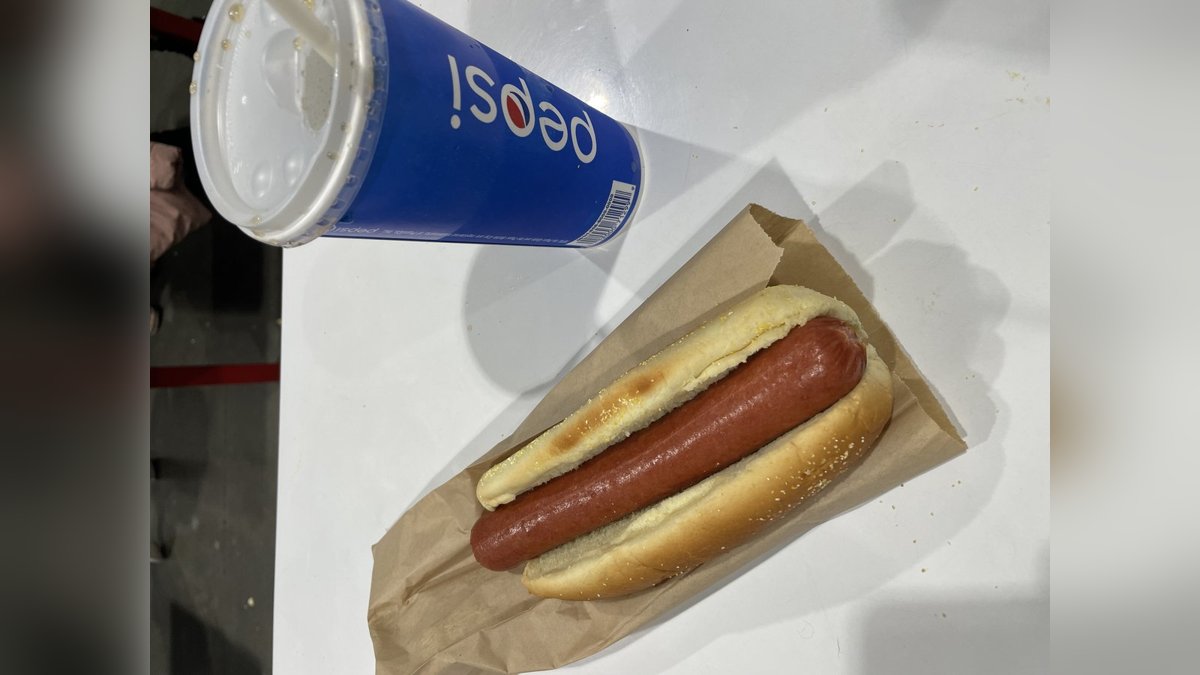
A true New York hot dog is defined by its components. The sausage itself is typically an all-beef frankfurter with a natural casing that snaps when bitten. This snap is crucial--it's the hallmark of quality. The casing is made from sheep or hog intestines, which contract during cooking, creating that satisfying resistance. Most vendors source their franks from brands like Sabrett or Nathan's, which have been producing them for over a century.
The bun is equally important. It must be soft, slightly sweet, and steamed to a pillowy texture. A stale or dry bun ruins the experience. The classic New York bun is a top-split style, which holds the sausage securely and allows for even distribution of toppings. The bun is typically steamed alongside the sausages, absorbing moisture and flavor.
Toppings are minimal but essential. The standard New York hot dog comes with yellow mustard, sauerkraut, and a sweet onion sauce (a tomato-based relish). Some vendors offer ketchup, but purists consider it sacrilege. The sauerkraut adds tang and crunch, while the onion sauce provides sweetness and acidity. This combination creates a balanced flavor profile that has remained unchanged for generations.
The Dirty Water Dog: A Controversial Classic
The term "dirty water dog" refers to the cooking method: sausages are simmered in water that has been seasoned with salt, spices, and sometimes onion or garlic. Over time, the water becomes cloudy and flavorful, hence the name. This method keeps the sausages moist and hot, ready to serve at a moment's notice. Critics argue that boiling dilutes flavor, but proponents say it preserves the natural taste of the beef.
In reality, the water is not actually dirty--it's a seasoned broth. Vendors change the water daily, and the sausages are cooked at a consistent temperature of around 180°F. This low-and-slow method ensures the casings remain intact and the sausages stay plump. Some high-end vendors now use a hybrid method: boiling followed by a quick griddle sear to add char and texture.
Despite its humble reputation, the dirty water dog has been defended by chefs like Anthony Bourdain, who called it "the perfect street food." The method is efficient, cost-effective, and produces a consistent product. For millions of New Yorkers, the dirty water dog is the taste of childhood, of ball games, and of late-night cravings.
Toppings and Variations: Beyond the Classic
While the classic New York hot dog is simple, regional variations have emerged. The Coney Island dog, for example, is topped with chili, onions, and mustard--a heartier version that originated in Michigan but became popular in New York. The Chicago-style dog, with its sport peppers, relish, and celery salt, is a distant cousin but rarely found in New York.
In recent years, gourmet hot dog stands have elevated the humble sausage. Vendors now offer toppings like kimchi, bacon jam, truffle aioli, and even foie gras. However, these innovations remain niche. The majority of New Yorkers still prefer the classic combination of mustard, sauerkraut, and onion sauce. According to a 2023 survey by the New York City Department of Health, 78% of hot dog vendors sell only the traditional toppings.
One notable variation is the "Texas Wiener," which is a deep-fried hot dog served with chili and cheese. This style is more common in upstate New York and New Jersey but has a following in the city. Another is the "kosher-style" hot dog, which uses beef franks that are not necessarily kosher-certified but are made from high-quality beef and natural casings.
Cultural Significance and the Future of the Pushcart Dog
The New York hot dog is more than food--it's a cultural symbol. It appears in movies, TV shows, and literature as shorthand for New York City itself. From the opening credits of "Seinfeld" to the streets of "Spider-Man," the hot dog pushcart is an enduring image of urban life. It represents accessibility, speed, and democracy: anyone can afford a hot dog, and everyone eats them standing up.
However, the pushcart industry faces challenges. Rising rents, stricter health regulations, and competition from food trucks have reduced the number of licensed hot dog vendors in Manhattan by 30% over the past decade. The city caps the number of pushcart permits at 5,100, and the waiting list for new permits is over 10 years long. This scarcity has driven up the value of existing permits, which can sell for $20,000 or more on the black market.
Despite these hurdles, the New York hot dog endures. New vendors are finding creative ways to operate, such as partnering with existing businesses or using mobile apps to locate customers. The hot dog remains a $1.2 billion industry in New York City, and its iconic status shows no signs of fading. As long as there are hungry New Yorkers and tourists craving a quick, satisfying bite, the pushcart hot dog will continue to roll.