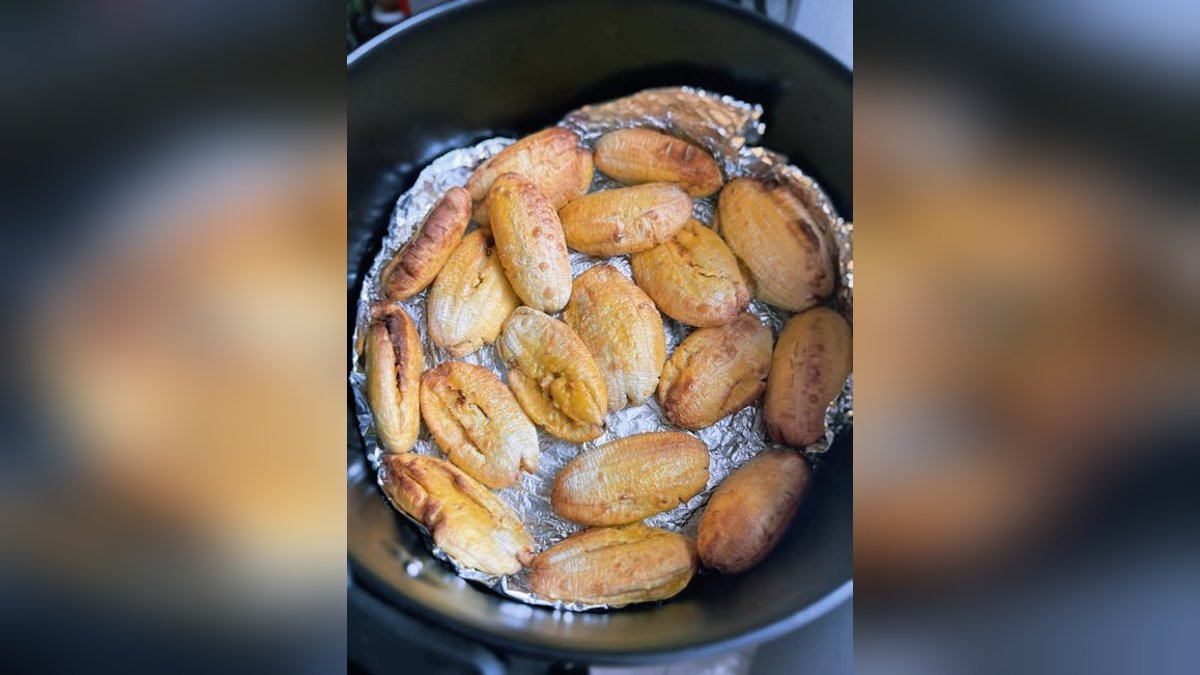
Why the Air Fryer Changed Home Cooking Forever
The air fryer has become one of the most popular kitchen appliances of the decade, and for good reason. It delivers the crispy texture of deep-fried food with a fraction of the oil, making it a go-to for health-conscious home cooks. But despite its simplicity, many people only scratch the surface of what this versatile appliance can do. Whether you own a basket-style model or an oven-style air fryer, these ten tips will help you achieve perfect results every time.
At its core, an air fryer is a small convection oven that circulates hot air at high speed to cook food evenly and create a crispy exterior. Temperatures typically range from 300°F to 400°F, and the rapid air movement mimics the effects of deep frying without submerging food in oil. The key to mastering it lies in understanding heat distribution, moisture management, and proper loading techniques. Here is everything you need to know.
"The air fryer is not a replacement for your oven or stovetop -- it is a specialized tool that excels at one thing: creating crispy textures with minimal oil. Treat it with the same respect you would any other kitchen appliance." -- J. Kenji Lopez-Alt, chef and food writer
1. Preheat Every Time
Preheating is the single most important step for consistent air frying results. Most air fryers reach their set temperature within 3 to 5 minutes, and starting with a hot cooking chamber ensures that food begins crisping immediately. If you place food into a cold air fryer, the initial phase of cooking happens at too low a temperature, leading to longer cook times and less crispy outcomes. Many modern air fryers have a preheat indicator light, but if yours does not, simply run it at the desired temperature for 4 minutes before adding food.
For frozen foods like french fries or chicken nuggets, preheating is even more critical. Frozen items lower the internal temperature of the cooking chamber dramatically, and starting hot helps counteract that drop. A good rule of thumb is to preheat 25°F higher than your target temperature, then adjust down when you add the food. This compensates for the heat loss when you open the basket.
2. Do Not Overcrowd the Basket
Air fryers work by circulating hot air around every surface of the food. When the basket is packed too full, air cannot flow properly, resulting in uneven cooking and soggy spots. The general rule is to fill the basket no more than half to two-thirds full, leaving enough space for air to move freely between pieces. For best results, arrange food in a single layer with small gaps between each piece.
If you need to cook a large batch, work in multiple batches rather than piling everything in at once. The extra time is worth the dramatic improvement in texture. Alternatively, you can keep the first batch warm in a 200°F oven while you finish the rest. This batch approach is especially important for foods like chicken wings, vegetable medleys, and battered items that rely on direct heat exposure for crispiness.
3. Shake or Flip Halfway Through
Even with proper spacing, food in an air fryer benefits from agitation during cooking. Shaking the basket or flipping individual pieces ensures all sides get equal exposure to the hot air stream. For small items like fries, tater tots, or chickpeas, simply pull out the basket, give it a firm shake, and return it to the air fryer. For larger items like chicken breasts or fish fillets, use tongs to flip each piece.
Set a timer for halfway through the recommended cooking time as a reminder. This technique prevents the bottom side from becoming soggy while the top side crisps. It also promotes even browning, which is essential for visual appeal as well as texture. Most air fryer recipes include a halfway flip in their instructions, but even if they do not, make it a habit.
4. Use a Light Coating of Oil
While air fryers require significantly less oil than deep frying, a small amount of oil is still necessary for optimal browning and crispiness. Oil helps conduct heat, promotes the Maillard reaction responsible for golden-brown surfaces, and prevents food from drying out. The key is using just enough to lightly coat the surface without pooling.
An oil spray bottle or aerosol can works best for even distribution. Avocado oil, grapeseed oil, and canola oil are excellent choices because of their high smoke points. Olive oil can be used but at lower temperatures (under 375°F) to avoid burning. Aim for about 1 to 2 teaspoons of oil per serving of food. Toss the food in a bowl with the oil and seasonings before placing it in the basket for the most even coating.
5. Pat Food Dry Before Cooking
Moisture is the enemy of crispiness. Excess water on the surface of food creates steam as it heats, which prevents browning and results in a soggy exterior. Before seasoning and oiling, pat proteins, vegetables, and even frozen foods dry with paper towels. For foods like tofu or potatoes, pressing out excess moisture beforehand makes a dramatic difference.
For frozen foods, do not thaw them before air frying. Cooking from frozen actually helps remove surface moisture more quickly, and many frozen items are pre-blanched or pre-coated for optimal air fryer results. If you must thaw something, drain any accumulated liquid and pat it dry before oiling and seasoning.
6. Season Generously but Smartly
The rapid air circulation in an air fryer can blow lightweight seasonings off the food. This is particularly true for powdered spices and finely ground herbs. To combat this, mix seasonings with a small amount of oil before tossing with the food. The oil acts as a binder, helping the spices adhere to the surface during cooking.
Another technique is to season in stages. Apply a base layer of salt and pepper before cooking, then add more delicate seasonings like garlic powder, paprika, or dried herbs after cooking while the food is still hot. This two-stage approach ensures bold flavor without the seasonings burning or being blown away by the fan. Fresh herbs should always be added after cooking to prevent them from wilting or burning.
7. Use the Right Accessories
Many air fryers come with a standard basket, but accessories can expand your cooking capabilities significantly. Silicone liners make cleanup easy for sticky foods like marinated chicken or cheesy dishes, but they can reduce air circulation, so use them sparingly. Perforated parchment paper liners allow air to flow while preventing food from sticking.
Skewer racks are excellent for kebabs and small items that might fall through the basket slots. Baking pans or cake inserts let you make brownies, frittatas, and small loaves. A grill plate attachment adds sear marks to steaks and vegetables. Invest in a few key accessories based on the foods you cook most often, but avoid overcrowding even with accessories in place.
8. Adjust Temperature and Time for Your Model
No two air fryer models cook exactly alike. Factors like basket size, fan speed, heating element wattage, and chamber shape all affect cooking performance. A recipe that works perfectly in a 5.8-quart basket-style air fryer may need adjustments for a 10-quart oven-style model. Always treat recommended times and temperatures as starting points rather than gospel.
Keep a notebook or digital note with adjustments you have made for your specific model. If chicken thighs took 18 minutes instead of 15, write it down. If your air fryer runs hot and burns food at 400°F, note that 375°F is your new maximum. Over time, you will build a personalized reference that makes cooking faster and more consistent. An instant-read thermometer is invaluable for verifying doneness, especially for proteins.
9. Clean After Every Use
A dirty air fryer performs poorly. Grease buildup on the heating element can cause smoking, reduce efficiency, and impart off-flavors to food. Food residue stuck to the basket can burn during subsequent uses, creating bitter smoke that taints the results. Cleaning after every use takes only a few minutes but pays dividends in performance and longevity.
Most air fryer baskets and trays are dishwasher safe, but hand washing with warm soapy water and a non-abrasive sponge is often gentler on the nonstick coating. For stubborn residue, soak the basket in hot water with a drop of dish soap for 15 minutes before scrubbing. Wipe the interior of the air fryer with a damp cloth to remove any splatter. Never use metal utensils or abrasive scouring pads, as they will scratch the nonstick surface.
10. Experiment Beyond the Obvious
Most people use their air fryer for frozen fries and chicken wings, but the appliance is far more versatile. You can roast vegetables like broccoli, Brussels sprouts, and sweet potatoes to crispy perfection in under 15 minutes. Reheat pizza, fried chicken, and spring rolls to restore their original crunch -- something a microwave cannot do. Hard-boiled eggs cook evenly at 270°F for 15 minutes with no water needed.
Desserts are another surprising category. Air fryer donuts, churros, and apple chips are quick, satisfying, and use minimal oil. You can even bake small batches of cookies or brownies. The key is thinking of the air fryer as a small, powerful convection oven rather than just a fryer substitute. Once you start treating it as such, the range of possibilities expands enormously.
Putting It All Together
Mastering the air fryer is not about following recipes rigidly -- it is about understanding the principles that make it work. Preheat for consistent results, leave space for air to circulate, use oil and seasonings strategically, and clean the appliance regularly. These ten tips form a foundation that will serve you across thousands of meals, from simple snacks to elaborate dinners.
Start with one or two tips that address your biggest frustration. If your food is never crispy enough, focus on preheating, drying, and oil application. If everything cooks unevenly, prioritize spacing and flipping. Small adjustments yield dramatic improvements, and within a few weeks, you will wonder how you ever cooked without this remarkable appliance. The air fryer is not a gimmick -- it is a legitimate kitchen tool that, when used correctly, delivers consistent, delicious results that make everyday cooking easier and more enjoyable.