Char Siu: Cantonese Honey
Jordan Myers
What Makes Char Siu the Crown Jewel of Cantonese BBQ
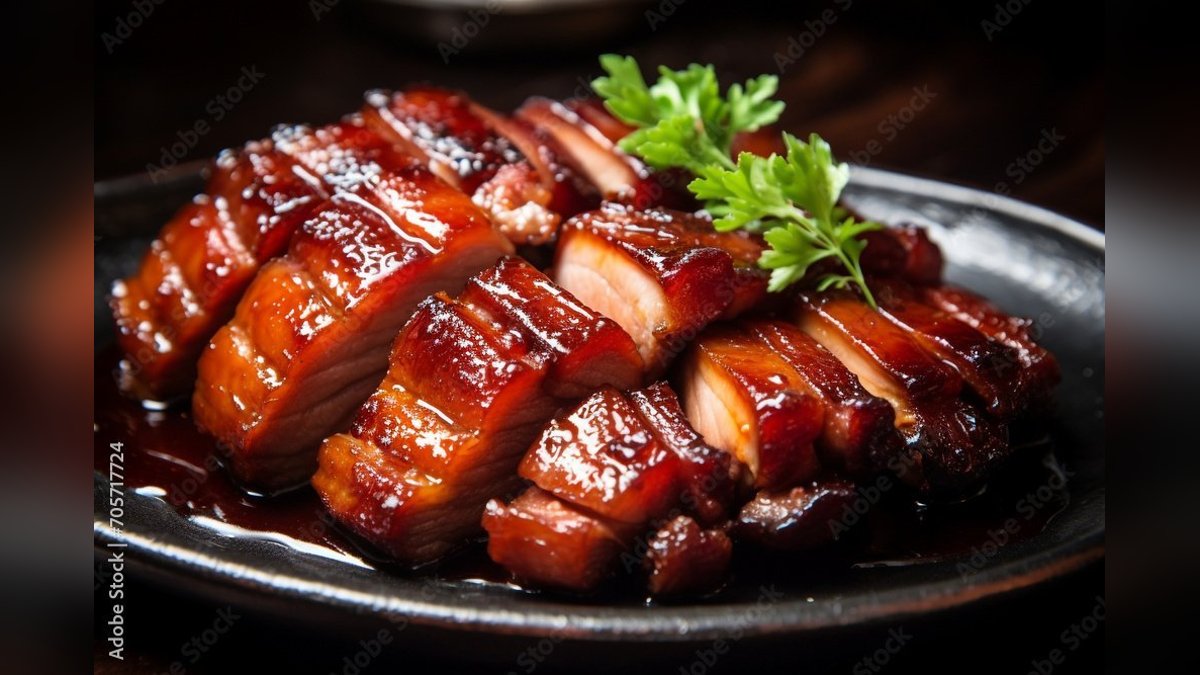
Char siu, literally meaning "fork roasted," is the quintessential Cantonese barbecue pork that has captivated food lovers worldwide. Unlike Western barbecue that relies on smoke and low heat, char siu achieves its signature glossy red crust through a precise balance of honey, maltose, and red fermented bean curd. The result is a piece of pork that is simultaneously caramelized on the outside and impossibly juicy within.
In Hong Kong's bustling siu mei (roast meat) shops, char siu hangs in the window like ruby jewels, its sticky surface catching the light. The best versions have a characteristic char -- not burnt, but deeply caramelized spots that add complexity. A 2023 survey by the Hong Kong Tourism Board found that 78% of visitors cite char siu as a must-try dish, and for good reason: it represents centuries of Cantonese culinary refinement.
Key Stat: A traditional Hong Kong char siu shop roasts over 200 pounds of pork daily, with the most sought-after cuts being pork shoulder (butt) or pork neck, which contain the ideal 20-25% fat content for moisture retention during high-heat roasting.
The magic lies in the marinade. While recipes vary by family, the non-negotiable components include honey or maltose for sweetness and sheen, soy sauce for umami depth, hoisin sauce for fermented complexity, and red fermented bean curd (nam yue) for that unmistakable crimson hue. Five-spice powder adds warmth, while garlic and ginger provide aromatic punch. The pork must marinate for at least 8 hours -- overnight is better -- allowing the flavors to penetrate deeply.
The Science Behind the Glossy Red Crust
That lacquered finish isn't just for show. The glossy red crust on char siu is a product of the Maillard reaction combined with caramelization of sugars at high temperatures. When honey and maltose hit a 400°F oven, they undergo a series of chemical transformations that create hundreds of flavor compounds. The red color comes primarily from nam yue, which contains red yeast rice -- a natural pigment used in Cantonese cooking for centuries.
Professional chefs apply the glaze in multiple layers. After the initial roast, char siu is basted with a mixture of honey and malt syrup, then returned to the oven for a final blast of heat. This technique, called "glazing," builds up a thick, sticky coating that shatters when you bite into it. The ideal char siu should have a crust that is 2-3 millimeters thick -- enough to provide texture without overwhelming the meat.
Temperature control is critical. Roast at 375°F for the first 20 minutes to render fat and develop color, then increase to 425°F for the final 10 minutes to caramelize the glaze. Home cooks often struggle with dry char siu because they skip the basting step or use too lean a cut. Pork shoulder (butt) with its marbling is ideal; tenderloin, while lean, will dry out unless you wrap it in foil for part of the cooking time.
Expert Tip: For the most authentic glossy finish, use maltose instead of honey. Maltose has a higher sugar concentration and lower water content, which means it caramelizes faster and creates a harder, shinier crust. You can find maltose at Asian grocery stores or online.
Choosing the Perfect Cut of Pork for Char Siu
Not all pork is created equal when it comes to char siu. The best cuts have a balance of lean meat and intramuscular fat that keeps the pork moist during the high-heat roasting process. Here are the top three cuts used by Hong Kong masters:
Pork Shoulder (Butt): This is the gold standard for char siu. It contains about 20% fat, which renders during roasting and bastes the meat from within. The shoulder also has a loose grain that absorbs marinade exceptionally well. When sliced, it shows beautiful marbling and remains tender even after reheating.
Pork Neck (Coppa): Prized by chefs for its intense flavor and higher fat content (around 30%), pork neck produces the most succulent char siu. It's the same cut used for Italian porchetta, but in Cantonese hands, it becomes something entirely different. The neck's natural shape creates irregular pieces with crispy edges and buttery centers.
Pork Belly: For those who love the combination of crispy skin and fatty meat, pork belly char siu is a decadent treat. The layers of fat and lean create a textural contrast that's hard to beat. However, belly requires careful roasting to render the fat without burning the sugar glaze. Many home cooks prefer to parboil belly before marinating to reduce cooking time.
Avoid pork loin or tenderloin for traditional char siu. These cuts are too lean and will dry out within minutes at high heat. If you must use them, consider a two-stage cooking method: roast at 325°F covered with foil for 30 minutes, then uncover, glaze, and finish at 425°F for 10 minutes.
Step-by-Step: Making Restaurant-Quality Char Siu at Home
Creating authentic char siu in a home kitchen is entirely achievable with the right technique. Start with 2 pounds of pork shoulder, cut into strips about 2 inches thick. The strips should be uniform in size to ensure even cooking. Poke the meat all over with a fork to help the marinade penetrate.
The Marinade: Combine 3 tablespoons honey, 2 tablespoons hoisin sauce, 2 tablespoons soy sauce, 1 tablespoon dark soy sauce (for color), 1 tablespoon Shaoxing wine, 1 tablespoon red fermented bean curd (mashed), 1 teaspoon five-spice powder, 2 cloves minced garlic, and 1 teaspoon grated ginger. Whisk until smooth. Place the pork strips in a zip-top bag, pour in the marinade, and refrigerate for at least 8 hours, turning occasionally.
Roasting: Preheat your oven to 375°F. Line a baking sheet with foil and place a wire rack on top. Arrange the marinated pork strips on the rack, leaving space between each piece. Roast for 20 minutes. Meanwhile, prepare the glaze: mix 2 tablespoons honey with 1 tablespoon maltose (or additional honey) and 1 tablespoon hot water. After 20 minutes, brush the pork with glaze, then increase oven temperature to 425°F. Roast for another 10-15 minutes, glazing once more halfway through. The internal temperature should reach 145°F for safety, but the pork will continue cooking as it rests.
Resting and Slicing: Let the char siu rest for 10 minutes before slicing. This allows the juices to redistribute. Slice against the grain into 1/4-inch thick pieces. The slices should have a deep red-brown color with caramelized edges and a sticky sheen. Serve immediately with steamed rice and a side of blanched gai lan (Chinese broccoli) drizzled with oyster sauce.
Creative Ways to Use Leftover Char Siu
While char siu is magnificent on its own, leftovers open up a world of Cantonese comfort food. Char Siu Fried Rice is perhaps the most famous use: dice the pork into small cubes and stir-fry with day-old rice, scrambled eggs, frozen peas, and a splash of soy sauce. The caramelized bits of char siu add bursts of sweetness and umami that transform simple fried rice into a complete meal.
Char Siu Bao (Steamed Buns) are a dim sum classic. Dice the pork finely and mix with a thickened sauce made from oyster sauce, soy sauce, sugar, and cornstarch. Wrap in a soft yeast dough and steam for 10 minutes. The filling should be moist and slightly sweet, with the char siu pieces providing texture. Homemade versions far surpass frozen options.
Char Siu Noodle Soup is a Hong Kong staple. Cook fresh egg noodles in chicken broth, then top with sliced char siu, bok choy, and a soft-boiled egg. The pork's sweetness balances the savory broth, while the glossy crust softens slightly in the hot liquid. Add a drizzle of chili oil for heat.
For a modern twist, try Char Siu Tacos: warm corn tortillas filled with sliced char siu, pickled daikon and carrot, fresh cilantro, and a squeeze of lime. The combination of sweet pork, tangy pickles, and fresh herbs is surprisingly harmonious. This fusion approach has gained popularity in Los Angeles and San Francisco's Asian-fusion restaurants.
Finally, Char Siu and Egg Sandwich is a quick breakfast option. Toast two slices of brioche, spread with a thin layer of hoisin sauce, and layer with sliced char siu, a fried egg, and cucumber ribbons. The runny yolk combines with the pork's glaze to create a sauce that soaks into the bread. It's a 10-minute meal that tastes like a five-star hotel breakfast.