Xiaochao Rou: Hunan Quick
Jordan Myers
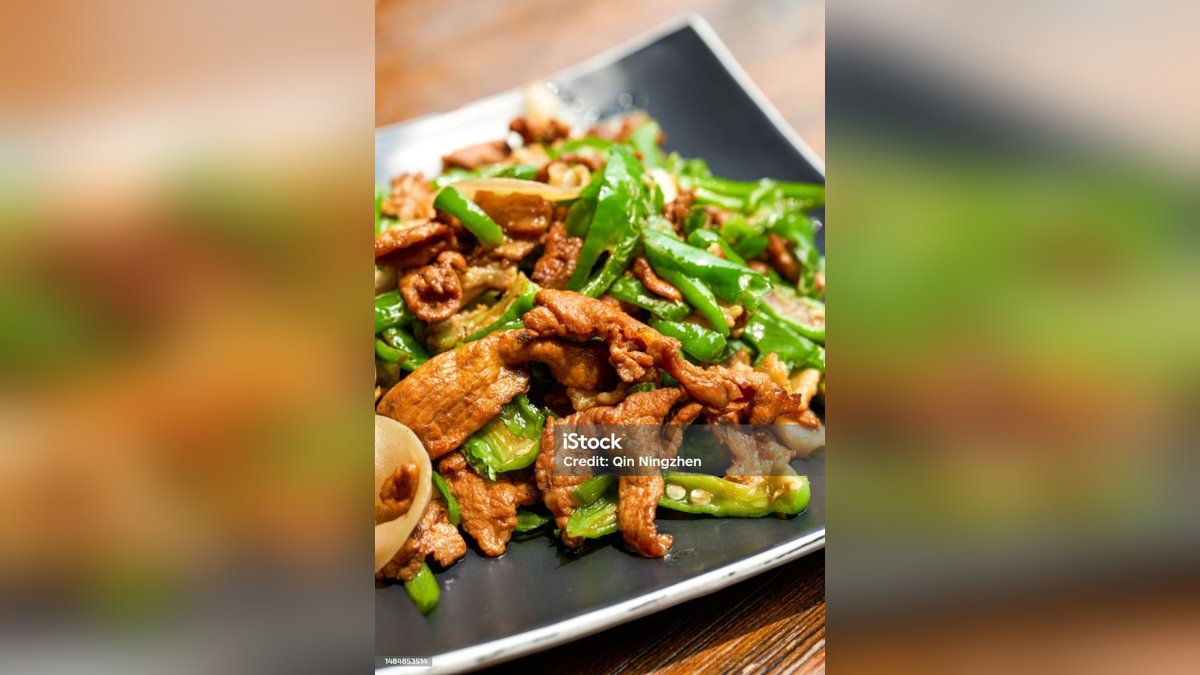
What Is Xiaochao Rou? The Soul of Hunan Home Cooking
Xiaochao Rou (), literally "small stir-fried meat," is a cornerstone of Hunan cuisine--a province renowned for its bold, fiery flavors and unapologetic use of fresh chilies. Unlike the more famous Hunan dishes like Duojiao Yutou (steamed fish head with chopped chilies), Xiaochao Rou is a humble, everyday stir-fry that showcases the essence of Hunan cooking: speed, heat, and layering of savory, spicy, and umami notes. The dish features thinly sliced pork belly or shoulder, quickly seared in a scorching wok with fresh green and red chilies, garlic, ginger, and the secret weapon--fermented black beans (douchi).
What sets Xiaochao Rou apart from other Chinese pork stir-fries is its technique. The pork is not marinated for hours; instead, it's sliced paper-thin, seasoned simply with soy sauce and a touch of cornstarch, then flash-fried at extreme heat to achieve a tender yet slightly caramelized exterior. The chilies are not mere garnish--they are the backbone, providing both heat and a slightly smoky, charred flavor when blistered in the wok. Fermented black beans add a deep, salty, almost funky complexity that balances the chili's fire. This is not a dish for the faint of heart--it's a punchy, aromatic, and deeply satisfying plate that pairs perfectly with steamed rice.
Key Stat: A properly executed Xiaochao Rou should take no more than 4-5 minutes from wok to plate. The high heat (around 500°F/260°C) is non-negotiable for achieving the coveted wok hei--the smoky, charred flavor that defines great stir-fry.
Essential Ingredients: Building the Flavor Profile
Authentic Xiaochao Rou relies on a short but precise list of ingredients. Each component plays a critical role in the final dish. Here's what you need and why each matters.
Pork Belly or Shoulder: The best cut is pork belly with a good ratio of fat to lean--about 70% lean, 30% fat. The fat renders during cooking, basting the meat and adding richness. Shoulder (butt) works too, but belly is traditional. Slice against the grain into thin pieces, about 1/8-inch thick. Freezing the pork for 20 minutes before slicing makes this easier.
Fresh Chilies: Hunan cooks use a mix of long green chilies (like Thai bird's eye or Anaheim) and red finger chilies. The green ones provide grassy heat; the red add sweetness and color. For a milder version, use Hungarian wax peppers. For authentic fire, keep the seeds. You'll need about 6-8 ounces total.
Fermented Black Beans (Douchi): These are soybeans that have been fermented with salt and Aspergillus mold, then dried. They have a pungent, salty, umami-rich flavor. Rinse them briefly before use to remove excess salt. Do not skip them--they are the soul of the dish. Find them in Asian grocery stores or online.
Aromatics: Garlic (4-5 cloves, smashed and roughly chopped), fresh ginger (a 1-inch piece, sliced thin), and scallions (white parts for cooking, green for garnish). Some Hunan cooks add a pinch of Sichuan peppercorns for a numbing contrast, though this is optional.
Sauce Base: Light soy sauce (2 tablespoons), dark soy sauce (1 teaspoon for color), Shaoxing wine (1 tablespoon), sugar (1/2 teaspoon), and white pepper (1/4 teaspoon). A slurry of 1 teaspoon cornstarch mixed with 2 tablespoons water is added at the end to thicken the sauce and give it a glossy finish.
Step-by-Step Technique: Mastering the Wok
Xiaochao Rou is all about timing and heat. Follow this sequence for perfect results every time.
Step 1: Prep Everything in Advance (Mise en Place). This dish cooks in under 5 minutes. Have all ingredients sliced, measured, and within arm's reach. Slice the pork, chop the chilies diagonally into 1-inch pieces, smash the garlic, slice the ginger, and mix the sauce ingredients in a small bowl. Combine the cornstarch slurry separately.
Step 2: Heat the Wok Until Smoking. Place a 14-inch carbon steel wok over the highest heat your stove can produce. Add 2 tablespoons of neutral oil (peanut or canola) and swirl to coat. Wait until you see wisps of smoke--this is critical for wok hei. If using a non-stick pan, do not heat it empty; add oil first and heat until shimmering.
Step 3: Sear the Pork. Add the pork slices in a single layer (work in batches if needed). Let them sear undisturbed for 30 seconds, then stir-fry vigorously for another 30-45 seconds until the pork is just cooked through and lightly browned. Remove the pork to a plate, leaving the oil in the wok.
Step 4: Blister the Chilies and Aromatics. Add the chilies to the hot wok. Stir-fry for 1-2 minutes until they blister and develop black spots. Add the garlic, ginger, and scallion whites. Stir-fry for 30 seconds until fragrant. The chilies should soften slightly but retain some crunch.
Step 5: Combine and Sauce. Return the pork to the wok. Add the fermented black beans and pour the sauce mixture over everything. Stir-fry for 30 seconds to coat. Add the cornstarch slurry and toss for another 15-20 seconds until the sauce thickens and clings to the meat and chilies. The entire cooking process should take about 4 minutes.
Step 6: Finish and Serve. Transfer immediately to a serving plate. Garnish with scallion greens and a drizzle of sesame oil if desired. Serve with steamed jasmine rice. Do not let it sit--Xiaochao Rou is best eaten piping hot, straight from the wok.
Pro Tips for Authentic Results
Even experienced home cooks can stumble with Xiaochao Rou. Here are expert-level adjustments to ensure your dish rivals a Hunan restaurant's.
Control the Heat: If your stove isn't powerful enough (most home stoves max at 12,000 BTU, while restaurant wok burners hit 100,000+), preheat your wok for a full 2-3 minutes. Use a cast-iron skillet as an alternative--it retains heat better than stainless steel. Do not overcrowd the pan; cook in batches if necessary. Overcrowding lowers the temperature and steams the ingredients instead of searing them.
Balance the Salt: Fermented black beans are very salty. Taste your dish before adding extra salt. Some recipes call for a pinch of salt, but often the soy sauce and black beans provide enough. If you're sensitive to salt, rinse the black beans twice and reduce the light soy sauce to 1.5 tablespoons.
Customize the Heat Level: For a milder version, remove the seeds and membranes from the chilies. For extra fire, add a teaspoon of chili oil or a few dried red chilies along with the fresh ones. Hunan cuisine is not shy about heat--if you want authentic, keep the seeds.
Use the Right Oil: Peanut oil is traditional because of its high smoke point (450°F) and nutty flavor. Avoid olive oil or butter--they burn at high temperatures and impart off flavors. Lard is also excellent if you have it; it adds richness that complements the pork.
Don't Skip the Cornstarch Slurry: This is what gives the dish its signature glossy, clingy sauce. Without it, the liquid will be watery and separate from the meat. Mix the slurry just before adding it, as cornstarch settles quickly.
Pairing and Serving Suggestions
Xiaochao Rou is a main dish meant to be shared family-style with several other dishes and plenty of rice. Here's how to build a complete Hunan-inspired meal around it.
Rice: Steamed jasmine rice is the ideal canvas. Its mild fragrance and fluffy texture absorb the spicy, savory sauce without competing. For a more rustic touch, use short-grain white rice. Avoid brown rice--its nuttiness clashes with the dish's bold flavors.
Vegetable Side: A simple stir-fry of gai lan (Chinese broccoli) with garlic and oyster sauce provides a bitter, crunchy contrast. Alternatively, blanch baby bok choy and drizzle with light soy sauce and sesame oil. The greens help cool the palate between bites of spicy pork.
Soup: A light broth like egg drop soup or a simple miso soup with tofu and seaweed balances the richness. Avoid heavy soups like hot and sour--they'll compete with the main dish.
Beverage: Cold beer is the classic pairing--a crisp lager like Tsingtao or a pilsner cuts through the fat and heat. For non-alcoholic options, try cold jasmine tea or sparkling water with lime. Avoid sweet sodas; they amplify the chili burn.
Leftovers: Xiaochao Rou reheats well in a hot wok or skillet. Add a splash of water to revive the sauce. It also makes an excellent filling for steamed buns (bao) or lettuce wraps. Store in an airtight container in the refrigerator for up to 3 days.