Sweet and Sour Carp: Shandong's Crispy Whole Fish Masterpiece...
Jordan Myers
The Legacy of Sweet and Sour Carp in Shandong Cuisine
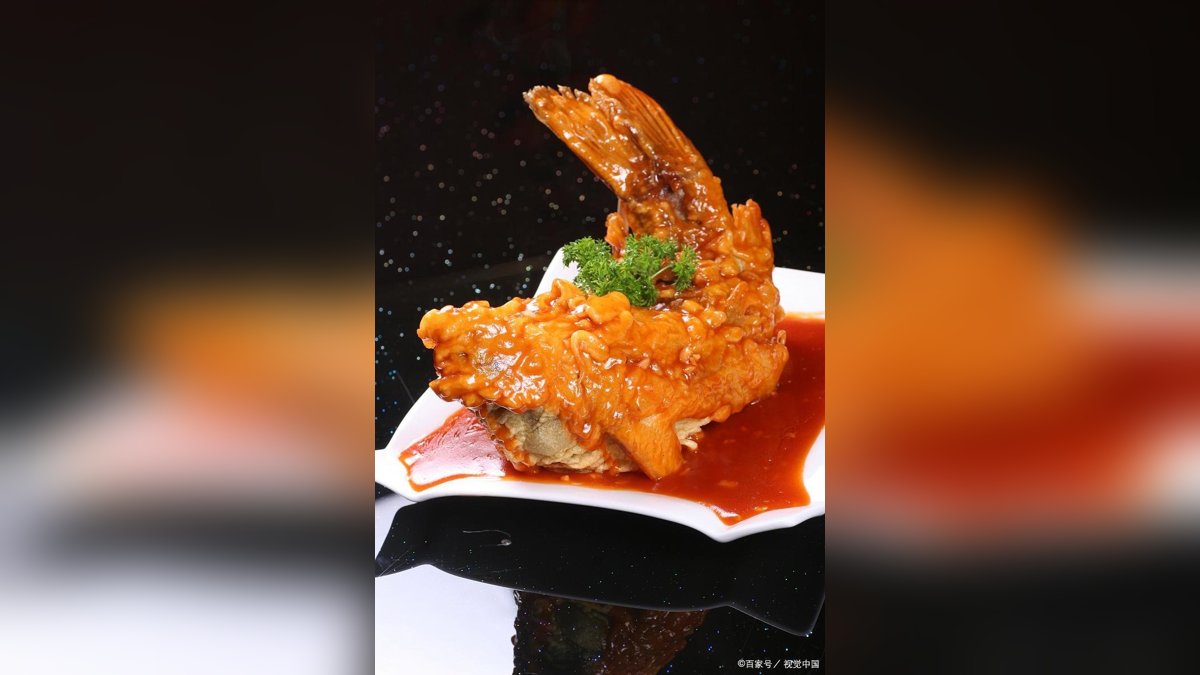
Sweet and Sour Carp (, táng cù lǐyú) is not merely a dish; it is a culinary emblem of Shandong Province, the birthplace of Lu cuisine--one of China's Eight Great Culinary Traditions. For centuries, this dish has graced imperial banquets and family feasts alike, prized for its dramatic presentation and the masterful balance of flavors. The whole carp, symbolizing abundance and prosperity, is deep-fried until every scale is a crispy, edible shell, then doused in a vibrant, translucent sauce that marries the sharpness of vinegar with the deep sweetness of caramelized sugar.
What sets Shandong's version apart from other sweet-and-sour preparations is the technique. The fish is not simply filleted and fried; it is scored in a precise crosshatch pattern, allowing the heat to penetrate evenly and creating a dramatic, curled shape that stands upright on the plate. This presentation, known as "lion's head" or "dragon's tail" depending on the region, is a hallmark of the chef's skill. The sauce, too, is distinct--it relies on a careful reduction of rice vinegar, sugar, soy sauce, and a touch of ginger, without the heavy ketchup-based shortcuts found in many Westernized Chinese dishes.
Key Stat: A properly executed Sweet and Sour Carp requires the oil temperature to be maintained at 350°F (175°C) for the initial fry and raised to 375°F (190°C) for the final crisping. This dual-temperature method ensures the skin becomes shatteringly crisp while the flesh remains moist and flaky.
For the home cook, mastering this dish is a rite of passage. It demands patience, precision, and an understanding of how heat transforms texture. But the reward is a centerpiece that commands attention--a whole fish that crackles under the fork, releasing tender meat that contrasts with the sticky, tangy-sweet glaze. In this guide, we will break down every step, from selecting the freshest carp to achieving that elusive crispy crust that stays crunchy even after saucing.
Selecting and Preparing the Perfect Carp
The foundation of any great Sweet and Sour Carp is, unsurprisingly, the fish itself. In Shandong, the preferred species is the Yellow River carp (, huánghé lǐyú), prized for its firm, sweet flesh and relatively low fat content. Outside of China, common carp or mirror carp are excellent substitutes, though any freshwater fish with a firm texture--such as buffalo fish or even a large tilapia--can work. The key is to choose a fish that weighs between 2 and 3 pounds (900 g to 1.4 kg). Anything smaller will be difficult to score and fry properly; anything larger may cook unevenly.
Freshness is non-negotiable. Look for bright, clear eyes, vibrant red gills, and a body that is stiff with rigor mortis (indicating it was caught within the last 24 hours). The scales should be intact and tightly adhered. If you are buying a whole fish from a market, ask the fishmonger to scale and gut it, but request that they leave the head and tail intact. At home, rinse the fish thoroughly under cold running water, both inside and out, and pat it completely dry with paper towels. Any residual moisture will cause the fish to steam rather than fry, ruining the crispiness.
Now comes the crucial scoring step. Using a sharp knife, make deep diagonal cuts along both sides of the fish, spacing them about 1 inch (2.5 cm) apart. The cuts should reach down to the backbone but not sever it. Then, make a second set of cuts perpendicular to the first, creating a diamond or crosshatch pattern. This scoring serves two purposes: it allows the hot oil to penetrate the thickest parts of the fish, ensuring even cooking, and it creates hundreds of tiny surfaces that will crisp up into a lace-like texture. After scoring, season the fish inside and out with salt and a splash of Shaoxing wine or dry sherry. Let it rest for 15 minutes to allow the seasoning to penetrate.
The Art of the Crispy Coating and Frying Technique
The coating is what transforms a simple fish into a crispy masterpiece. Traditional Shandong recipes use a batter made from a mixture of all-purpose flour and cornstarch, sometimes with a beaten egg white for extra lift. The ratio is critical: for every 1 cup of flour, use 1/2 cup of cornstarch and 1 cup of ice-cold water. The ice-cold water is not a gimmick--it inhibits gluten development, ensuring the batter remains light and airy rather than dense and doughy. Whisk the batter until it is smooth and the consistency of heavy cream. It should coat the back of a spoon but drip off easily.
Before battering, dust the scored fish lightly with a thin layer of cornstarch. This dry coating helps the batter adhere to the fish and creates an additional barrier against moisture. Then, holding the fish by the tail, dip it into the batter, allowing the excess to drip off. Make sure the batter gets into every scored crevice. For the crispiest results, some chefs double-batter the fish: a first dip, a brief rest, then a second dip before lowering it into the oil.
Frying is a two-stage process. Fill a large, deep wok or Dutch oven with enough oil to fully submerge the fish--at least 2 inches (5 cm). Heat the oil to 350°F (175°C). Carefully lower the fish into the oil, holding it by the tail for the first 30 seconds to prevent it from sticking to the bottom. Fry for 5 to 7 minutes, gently turning the fish with a slotted spoon to ensure even browning. The fish should be a pale golden color at this stage. Remove it and let it drain on a wire rack for 2 minutes. Meanwhile, raise the oil temperature to 375°F (190°C). Return the fish to the hot oil and fry for another 2 to 3 minutes, until it is a deep, rich amber and the skin is shatteringly crisp. This second fry drives off any absorbed oil and locks in the crunch. Drain the fish on paper towels and transfer it to a serving platter.
Building the Perfect Sweet and Sour Sauce
The sauce for Sweet and Sour Carp is a study in contrasts. It must be sweet enough to coat the tongue, sour enough to make the jaw tingle, and savory enough to complement the fish without overwhelming it. The classic Shandong formula uses a 2:1 ratio of sugar to rice vinegar. For a 2-pound fish, combine 1/2 cup of white sugar, 1/4 cup of rice vinegar (not seasoned sushi vinegar), 2 tablespoons of light soy sauce, 1 tablespoon of Shaoxing wine, and 1/2 cup of fish stock or water. Some chefs add a tablespoon of ketchup for color, but purists argue this masks the purity of the vinegar.
In a small saucepan, combine the sugar, vinegar, soy sauce, and stock. Bring to a simmer over medium heat, stirring until the sugar dissolves completely. In a separate bowl, mix 1 tablespoon of cornstarch with 2 tablespoons of cold water to create a slurry. Slowly drizzle the slurry into the simmering sauce, whisking constantly. The sauce will thicken almost immediately. Continue to cook for 30 seconds, then remove from heat. Taste and adjust the balance: if it is too sour, add a pinch more sugar; if too sweet, a splash more vinegar. Finally, stir in 1 teaspoon of toasted sesame oil and a handful of finely julienned fresh ginger. The ginger adds a subtle heat that cuts through the sweetness.
To serve, pour the hot sauce over the fried fish immediately. The contrast between the hot, crispy fish and the glossy, tangy sauce is the essence of the dish. Garnish with thin strips of scallion, a few sprigs of cilantro, and--if you want to be traditional--a few slices of preserved Chinese plum (, huà méi) for an extra layer of sweet-sour complexity. Serve at once, while the fish is still crackling.
Common Pitfalls and Pro Tips for Home Cooks
Even experienced cooks can stumble when making Sweet and Sour Carp. The most common mistake is a soggy crust. This almost always results from insufficient drying of the fish before battering, or from oil that is not hot enough. If the oil temperature drops below 325°F (163°C) when you add the fish, the batter will absorb oil and become greasy rather than crisp. Use a deep-fry thermometer and do not overcrowd the pot. If you are cooking for a crowd, fry one fish at a time.
Another frequent issue is the sauce becoming clumpy or separating. This happens when the cornstarch slurry is added to a sauce that is not simmering, or when the sauce is boiled too vigorously after thickening. Always add the slurry in a thin stream while whisking, and never let the sauce boil after it has thickened. If the sauce does become lumpy, strain it through a fine-mesh sieve before pouring it over the fish.
Finally, timing is everything. The sauce should be prepared while the fish is undergoing its second fry, so that both are ready at the same moment. If the sauce sits too long, it will thicken into a gel; if the fish sits too long, it will lose its crunch. Coordinate your steps so that the fish is plated, sauced, and on the table within 2 minutes of emerging from the oil. This dish is a performance, and the audience--whether family or guests--deserves the full sensory experience of that first, glorious crackle.