Buddha Jumps Over the Wall: Fujian's Legendary Luxurious Broth...
Jordan Myers
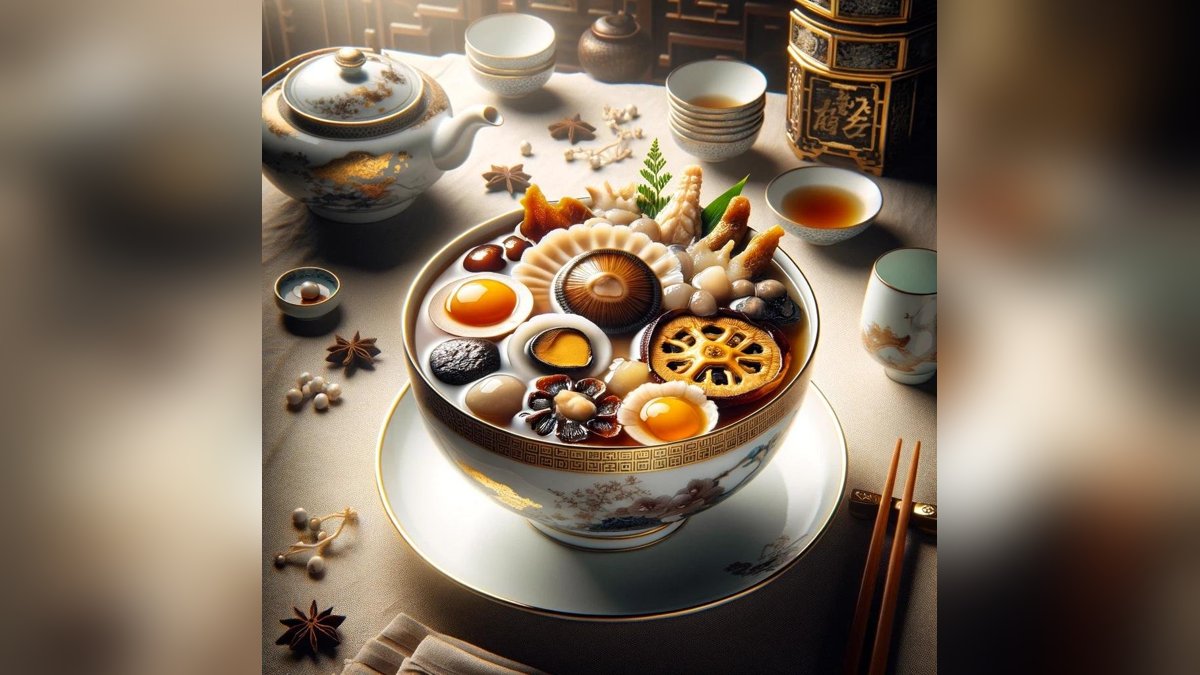
The Origins of a Culinary Legend
Buddha Jumps Over the Wall, or Fo Tiao Qiang, is not just a soup; it is a culinary monument. Originating from Fuzhou, Fujian province, this dish has been the crown jewel of Chinese haute cuisine for over a century. Its name is as dramatic as its flavor: legend says that the aroma was so irresistible that a Buddhist monk, sworn to vegetarianism, leaped over the temple wall to partake. While apocryphal, the story captures the dish's essence--an intoxicating, complex fragrance that promises unparalleled depth.
The dish was reportedly created during the Qing Dynasty by a chef named Zheng Chunfa. He combined dozens of premium ingredients--abalone, sea cucumber, shark fin, and more--with Shaoxing wine, then simmered them in a sealed clay pot for days. The result was a broth so rich and layered that it became an instant sensation among the imperial court and wealthy merchants. Today, it remains a symbol of status, often served at weddings, Chinese New Year feasts, and state banquets.
Key Stat: A traditional Buddha Jumps Over the Wall recipe can include up to 30 different ingredients, with some versions requiring over 72 hours of slow simmering to achieve its signature depth.
What sets this dish apart is its philosophy: balance. Each ingredient is chosen not just for luxury, but for its unique contribution to texture, flavor, and nutritional value. The broth is not merely a liquid; it is a concentrated essence of the sea and land, harmonized through meticulous technique. For the modern home cook, attempting this dish is a rite of passage, though many opt for simplified versions that still capture its spirit.
The Essential Ingredients: A Symphony of Luxury
The heart of Buddha Jumps Over the Wall lies in its ingredients. No other Chinese dish demands such a diverse and expensive pantry. The core components are divided into three categories: premium seafood, poultry and meat, and aromatics. Each plays a critical role in building the broth's legendary umami.
Premium Seafood: Dried abalone is the star, prized for its tender, chewy texture and sweet, briny flavor. Sea cucumber, another essential, is valued for its gelatinous, collagen-rich flesh that thickens the broth naturally. Shark fin, though controversial today, was traditionally included for its delicate, thread-like texture. Many modern chefs substitute with fish maw or extra gelatin from chicken feet. Dried scallops (conpoy) and dried oysters add intense, concentrated seafood notes.
Poultry and Meat: Whole chicken, duck, and pork ribs provide the foundational protein and fat. Ham, particularly Jinhua ham, contributes a salty, savory depth that cannot be replicated. Some recipes also include pork trotters or chicken feet for additional gelatin, ensuring the broth has a silky, almost velvety mouthfeel.
Aromatics and Wine: Shaoxing wine is non-negotiable. It is used both in the initial marination and during simmering, mellowing the richness and adding a subtle floral sweetness. Ginger, scallions, and rock sugar balance the savory elements. The final touch is a small amount of aged soy sauce for color and complexity.
Each ingredient must be prepared individually before assembly. Abalone and sea cucumber require days of soaking and rehydration. Chicken and duck are blanched to remove impurities. This meticulous prep is why the dish is so labor-intensive, but it is also what makes the final result transcendent.
The Art of Preparation: Patience and Precision
Creating Buddha Jumps Over the Wall is a multi-day process that demands patience and precision. The traditional method uses a shao guo, a large clay pot with a tight-fitting lid, sealed with a strip of dough or paper to trap all aromas. The goal is to extract every ounce of flavor without letting any escape.
Day 1: Soaking and Prepping. Dried abalone and sea cucumber are soaked in cold water for 24-48 hours, with water changes every 8 hours. Dried scallops and oysters are rinsed and soaked separately. The chicken, duck, and pork ribs are blanched in boiling water for 5 minutes to remove blood and impurities, then rinsed under cold water.
Day 2: Layering and Simmering. The clay pot is layered: first the chicken and duck at the bottom, then the pork ribs and ham, followed by the rehydrated seafood. Aromatics like ginger and scallions are tucked in between. Shaoxing wine is poured generously--often a full bottle for a large pot. The pot is covered, sealed, and placed over a low flame. The simmering begins: 6-8 hours for the first phase. No water is added; the liquid comes entirely from the ingredients and wine.
Day 3: Finishing and Serving. After the initial simmer, the pot is allowed to cool slightly. The seal is broken, and the broth is strained. The solids are discarded or reserved for a second, weaker broth. The liquid is returned to the pot with the most delicate ingredients--shark fin or fish maw, and fresh abalone--then simmered for another 2-3 hours. The final broth should be amber, clear, and intensely aromatic. It is served in the same clay pot, often with a side of steamed rice or crispy fried tofu puffs to soak up the liquid.
Modern pressure cooker versions can reduce the time to 4-5 hours, but purists argue that the slow evaporation and concentration cannot be replicated. The dish is best enjoyed in small portions--a single bowl can contain the essence of dozens of ingredients.
Nutritional Profile and Health Benefits
Buddha Jumps Over the Wall is not just a feast for the senses; it is also packed with nutritional benefits. The dish is exceptionally rich in collagen, protein, and minerals, making it a traditional tonic for health and vitality. In Chinese medicine, it is believed to nourish the blood, strengthen the kidneys, and improve skin elasticity.
Collagen and Joint Health: The combination of sea cucumber, chicken feet, and pork trotters provides a massive dose of collagen. This protein is essential for joint health, skin hydration, and bone strength. A single serving can contain over 20 grams of collagen, more than most supplements.
Mineral Density: Abalone is a rich source of selenium, iodine, and zinc, which support thyroid function and immune health. Dried scallops provide high levels of vitamin B12 and magnesium. The long simmering process extracts these minerals into the broth, making them highly bioavailable.
Low Fat, High Protein: Despite its richness, the broth is surprisingly low in fat if properly skimmed. The protein content is high, with a typical bowl providing 25-30 grams of protein. This makes it a satisfying yet nutrient-dense meal, ideal for recovery after illness or for those seeking a warming, restorative dish.
However, the dish is also high in sodium due to the ham and soy sauce. Those on low-sodium diets should consume it in moderation. Additionally, the traditional use of shark fin raises ethical concerns; many modern versions omit it or use sustainable alternatives like fish maw or konjac noodles.
Modern Interpretations and Where to Find It
While the classic version remains the gold standard, many chefs have created modern interpretations to suit contemporary tastes and budgets. Some restaurants offer a deconstructed version, where the broth is served as a consommé and the solids are plated separately. Others have introduced vegetarian versions using mushrooms, seaweed, and tofu to mimic the umami and texture.
Fine Dining in China: The best place to experience authentic Buddha Jumps Over the Wall is in Fuzhou, the dish's birthplace. Restaurants like Ju Chun Yuan and Fuzhou Hotel are renowned for their traditional preparation. In Hong Kong, high-end Cantonese restaurants such as Fook Lam Moon and Lung King Heen offer their own versions, often priced at $100-$200 per serving.
Home Cooking Simplified: For home cooks, pre-packaged soup bases and dried ingredient kits are available online. These kits include pre-soaked abalone, sea cucumber, and scallops, along with a concentrated broth base. While not as complex as the traditional version, they can produce a respectable bowl in 2-3 hours. Brands like Golden Chef and East Ocean offer reliable options.
Ethical and Sustainable Versions: With growing awareness of overfishing, many chefs now avoid shark fin. Sustainable alternatives include fish maw (dried swim bladder), which provides a similar gelatinous texture, or even jackfruit seeds for a plant-based option. These versions are gaining popularity among younger, eco-conscious diners.
Whether you seek the original or a modern twist, Buddha Jumps Over the Wall remains a dish that commands respect. It is a testament to the Chinese culinary philosophy that the best food is not just about taste, but about the story, the effort, and the shared experience.