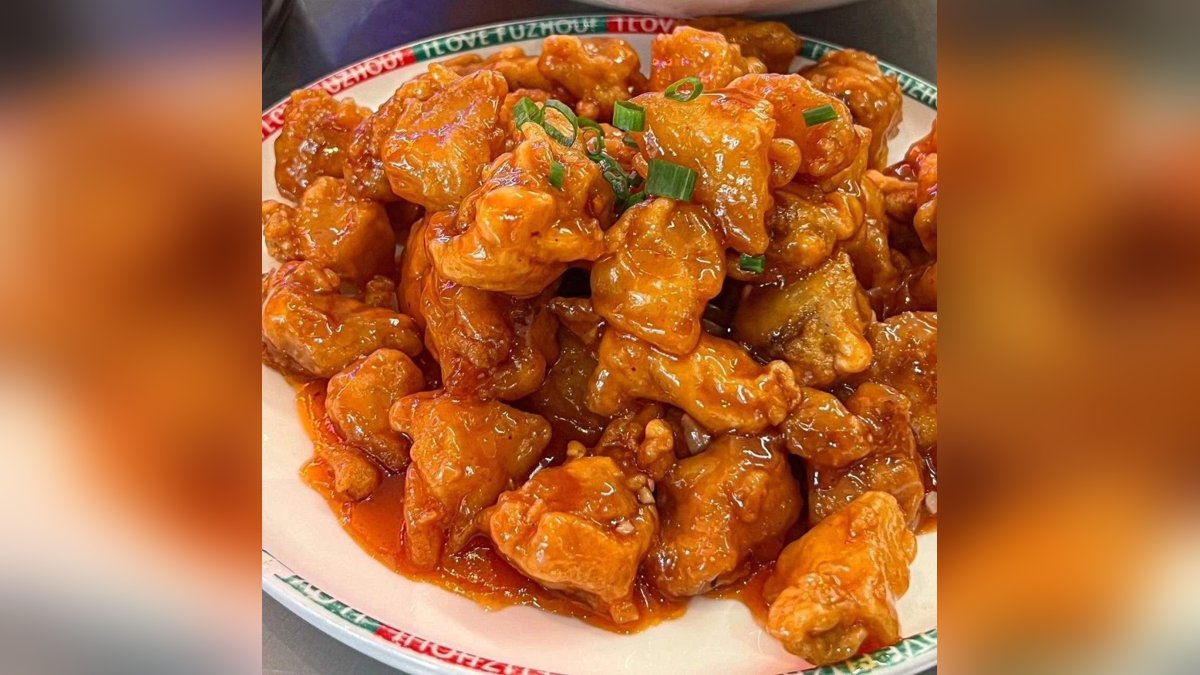
What Is Lychee Pork? The Fujian Masterpiece of Texture and Illusion
Lychee Pork (, lìzhī ròu) is one of Fujian province's most celebrated dishes, a culinary sleight of hand that transforms humble pork tenderloin into something that looks, feels, and even tastes like the tropical lychee fruit. Unlike the more familiar sweet and sour pork found in American Chinese restaurants, Lychee Pork achieves its signature texture through a precise double-frying technique and a sauce that balances acidity and sweetness with a subtle savory depth.
The dish originated in Fuzhou, the capital of Fujian, where chefs developed a method of scoring pork pieces in a crosshatch pattern, then curling them into small spheres that resemble peeled lychees. After a light batter and two-stage frying, the pork emerges with a crackling exterior that stays crisp even after being tossed in the glossy sauce. The sauce itself--a blend of rice vinegar, sugar, tomato paste, and light soy sauce--mimics the translucent, slightly tart flesh of a real lychee.
Key Stat: A properly executed Lychee Pork achieves a crust that remains crispy for up to 15 minutes after saucing, thanks to the double-fry method that drives out excess moisture and creates a rigid starch structure.
What sets Lychee Pork apart from other sweet-sour pork dishes is its restraint. The sauce is thinner and more translucent, allowing the golden-brown pork to show through. Real lychees are often added at the end, providing a fresh, floral counterpoint to the savory meat. The dish exemplifies the Fujian culinary philosophy of xiān (freshness) and xiāng (fragrance), where ingredients are treated with respect and visual presentation is paramount.
The Technique: How to Shape and Fry Pork Like a Fujian Chef
Mastering Lychee Pork begins with the cut. Chefs select pork tenderloin or loin, slicing it into pieces about 1/4-inch thick. Each piece is then scored in a diamond pattern on one side, cutting about halfway through the meat. This scoring serves two purposes: it allows the meat to curl into a ball when fried, and it creates more surface area for the sauce to cling to.
The marinade is simple but essential. A mixture of light soy sauce, Shaoxing wine, white pepper, and a pinch of sugar seasons the meat for 15 minutes. Then comes the batter--a thin slurry of sweet potato starch or cornstarch, egg white, and a splash of water. The key is a batter that's just thick enough to coat the scored side of the pork, not so thick that it obscures the scoring pattern. Some chefs add a drop of red food coloring to the batter to enhance the lychee illusion, though traditionalists rely on the sauce for color.
Frying is a two-act process. First, the pork pieces are fried at 325°F for about 3 minutes, until they set into their curled shapes and the batter is cooked through. After a 2-minute rest, they're fried again at 375°F for 90 seconds. This second blast at higher temperature creates the characteristic shattering crust. The pork should be drained on a wire rack, not paper towels, to prevent steam from softening the crust.
The sauce is prepared separately in a wok. Rice vinegar, sugar, ketchup or tomato paste, light soy sauce, and a touch of chicken stock are simmered together until slightly thickened. A cornstarch slurry is added to achieve the right consistency--thin enough to coat a spoon but not syrupy. The fried pork is tossed in the sauce just before serving, along with fresh lychee halves and sometimes pineapple or cucumber for contrast.
Why Lychee Pork Is Different from Standard Sweet and Sour Pork
Most Americans know sweet and sour pork as a neon-orange, heavily battered dish served in a thick, sugary sauce. Lychee Pork is its sophisticated cousin. The differences are fundamental and worth understanding if you want to appreciate what Fujian cuisine brings to the table.
First, the batter. Standard sweet and sour pork often uses a thick tempura-like batter that creates a puffy, doughy coating. Lychee Pork uses a thin starch slurry that results in a delicate, lacy crust. When you bite into it, you hear a clean crack, not a soft crunch. The crust is so thin that the pork's texture remains the star, not the breading.
Second, the sauce. The typical American version relies heavily on ketchup and sugar, creating a sauce that's thick, sweet, and opaque. Lychee Pork's sauce is more acidic and less sweet, with a clear, reddish hue that lets the pork show through. The vinegar is more pronounced, cutting through the richness of the fried meat. Real lychee juice or canned lychee syrup is sometimes added to the sauce, lending a floral sweetness that can't be replicated by sugar alone.
Third, the shape. While standard sweet and sour pork is cut into random chunks, Lychee Pork is deliberately shaped to mimic the fruit. The curling effect from the scoring creates a natural roundness, and the sauce's glossiness mimics the lychee's translucent skin. It's a visual trick that engages the diner before the first bite.
Finally, the accompaniments. Lychee Pork is often served with fresh lychees, which provide a textural contrast--the soft, juicy fruit against the crispy pork. Some versions include water chestnuts for crunch or bell peppers for color, but the focus remains on the pork and the lychee.
Pairing and Serving: How to Enjoy Lychee Pork at Its Best
Lychee Pork is a centerpiece dish, best served family-style with steamed jasmine rice and a few complementary sides. Because the dish is sweet-sour and slightly rich, it pairs well with simple, steamed vegetables like bok choy or gai lan (Chinese broccoli) dressed with oyster sauce. A light soup, such as egg drop or hot and sour, provides a palate-cleansing contrast.
For beverages, consider a semi-dry Riesling or a German Spätlese. The wine's residual sugar matches the dish's sweetness, while its acidity cuts through the pork's richness. If you prefer beer, a crisp lager or a Belgian witbier works well. For a non-alcoholic option, jasmine tea or a chilled lychee iced tea reinforces the dish's floral notes.
When serving, timing is everything. The pork should be fried and sauced at the last possible moment. If you're cooking at home, prepare the sauce and have the pork fried once. Just before serving, do the second fry, toss with the sauce, and plate immediately. The dish loses its magic within 10 minutes, so it's not suitable for buffets or make-ahead meals.
Leftovers can be revived in a 400°F oven for 5 minutes, but the crust will never be as crisp as fresh. Some cooks prefer to reheat the pork and sauce separately, then combine them just before eating. This prevents the sauce from soaking into the crust during storage.
Where to Find Authentic Lychee Pork and How to Order It
Authentic Lychee Pork is not common on American Chinese restaurant menus. You'll most likely find it at restaurants specializing in Fujian or Fuzhou cuisine. Look for it on the menu as (lìzhī ròu) or "Lychee Pork" in English. In cities with large Fujianese communities--such as New York's Chinatown, San Francisco, or Los Angeles--you can find versions that stay true to the original.
When ordering, ask if the restaurant uses fresh or canned lychees. Fresh is preferable, but canned lychees in syrup are acceptable if the syrup is used sparingly in the sauce. Also ask about the frying technique--a good restaurant will confirm that they double-fry the pork. If the dish arrives with a thick, gloppy sauce and puffy batter, you're eating a generic sweet and sour pork, not the real thing.
For home cooks, the dish is challenging but achievable. The most important factors are the scoring technique and the double-fry. Don't skip the rest between fries--it allows the interior to cook through and the crust to set. Use a thermometer to maintain oil temperature, and don't overcrowd the wok. If you can master Lychee Pork, you'll have a showstopping dish that impresses guests and connects you to one of China's great regional cuisines.