Crab Meat Lion's Head: Jiangsu's Giant Pork Meatball in Broth...
Jordan Myers
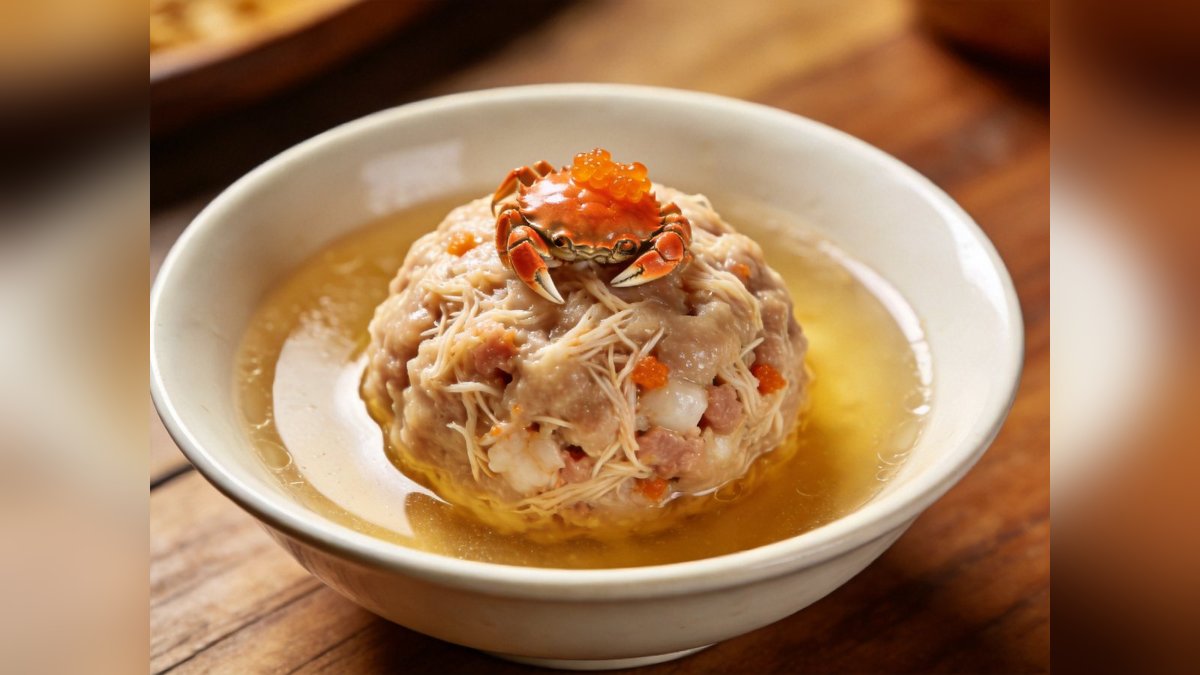
What Is Crab Meat Lion's Head? The Origins of a Jiangsu Classic
Crab Meat Lion's Head (, xiè fěn shī zi tóu) is one of the most celebrated dishes from Jiangsu province, specifically the city of Yangzhou. The name alone evokes imagery of a majestic lion--the oversized pork meatball represents the lion's head, while the surrounding braised bok choy symbolizes the mane. This dish is a hallmark of Huaiyang cuisine, one of China's four great culinary traditions, known for its refined knife skills, delicate flavors, and emphasis on seasonal ingredients.
Unlike the dense, heavy meatballs found in Western cooking, Lion's Head meatballs are remarkably light and tender. The secret lies in the fat-to-lean ratio of the pork, the gentle mixing technique, and the slow-simmering process. The addition of fresh crab meat elevates the dish from simple comfort food to an elegant banquet centerpiece. Traditionally, this dish was reserved for special occasions and family gatherings, showcasing the cook's skill in balancing textures and flavors.
Key Stat: A traditional Lion's Head meatball can weigh up to 1 pound (450 grams) and requires at least 2 hours of gentle simmering to achieve its signature melt-in-your-mouth texture.
In Jiangsu, the dish is often prepared during the Mid-Autumn Festival when hairy crabs are at their peak. The crab meat adds a subtle sweetness and a briny depth that complements the rich pork. The broth, typically made from chicken stock or pork bone stock, is clear yet deeply flavorful, infused with ginger, scallion, and Shaoxing wine. The final presentation is rustic yet refined--a single giant meatball served in a clay pot with a ladle of broth and greens.
The Art of the Meatball: Choosing the Right Pork and Crab
The foundation of any great Lion's Head is the pork. Butchers in Yangzhou insist on using pork shoulder with a fat content of at least 30%. This might sound excessive, but the fat renders during the long simmer, keeping the meatball moist and tender. Lean cuts like tenderloin will produce a dry, crumbly result. The pork should be hand-chopped, not ground. This is non-negotiable. Hand-chopping creates irregular pieces that trap air and fat, resulting in a lighter, more textured meatball. A food processor will pulverize the meat into a paste, ruining the texture.
For the crab component, fresh crab meat is ideal. In the United States, you can substitute with high-quality lump crab meat from blue crabs or Dungeness crab. Avoid canned crab meat that is packed in brine or has a metallic taste. The crab meat is folded into the pork mixture along with finely minced ginger, scallions, Shaoxing wine, light soy sauce, and a touch of white pepper. Some recipes add water chestnuts for crunch, but purists argue that the crab meat should be the only textural contrast. The mixture is then formed into large balls, about the size of a baseball or larger.
A crucial step is the "slapping" technique. After forming the meatball, you gently slap it from hand to hand to expel air pockets. This prevents the meatball from falling apart during cooking. The meatballs are then lightly dusted with cornstarch, which helps seal in moisture and creates a silky exterior. Some chefs also pan-sear the meatballs briefly before simmering to add a golden crust, but the traditional Jiangsu method skips this step, relying solely on the slow braise for texture.
Simmering to Perfection: The Broth and Cooking Technique
The cooking vessel matters. A clay pot (sandpot or casserole) is traditional because it distributes heat evenly and retains warmth for a long time. If you don't have a clay pot, a heavy-bottomed Dutch oven works well. The broth is typically a simple combination of chicken stock, Shaoxing wine, ginger slices, and scallion knots. Some versions add a splash of light soy sauce for color, but the broth should remain pale gold, not dark. The meatballs are placed in the pot, and the broth is added until it reaches about halfway up the meatballs--not fully submerged. This allows the tops to steam while the bottoms braise.
The simmering temperature is critical. The broth should barely bubble--a gentle simmer at around 180°F (82°C). Boiling will cause the meatballs to disintegrate. Cover the pot and let it cook for 2 to 3 hours. During this time, the collagen from the pork breaks down, the fat emulsifies into the broth, and the flavors meld. About 30 minutes before serving, add baby bok choy or napa cabbage leaves around the meatballs. The greens will wilt into the broth, absorbing the savory juices. Some cooks also add dried scallops or shrimp for extra umami, but the classic version keeps it simple.
The final touch is a drizzle of rendered chicken fat or sesame oil just before serving. This adds a glossy sheen and a nutty aroma. The dish is typically served family-style, with each person receiving a portion of the meatball and a ladle of broth. The meatball should be so tender that it yields to the slightest pressure from a spoon. The broth should be sipped like a soup, clean and comforting. Leftovers are even better the next day, as the flavors continue to develop.
Regional Variations and Modern Twists
While the Jiangsu version is the gold standard, other regions have put their own spin on Lion's Head. In Shanghai, the meatballs are often deep-fried first, giving them a crispy exterior that contrasts with the soft interior. The Shanghai version also tends to use a darker, soy-based sauce, resulting in a richer, sweeter flavor profile. In Hong Kong, you'll find Lion's Head served in a clay pot with vermicelli noodles, turning it into a one-pot meal. Some modern chefs incorporate foie gras or truffle oil for a luxurious twist, though purists often scoff at these additions.
For home cooks looking to adapt the recipe, there are several shortcuts that still yield excellent results. If you can't find fresh crab meat, use canned crab meat but rinse it thoroughly and pat it dry. You can also substitute with chopped shrimp or even finely diced mushrooms for a vegetarian version. The key is to maintain the fat content--if using leaner pork, add a tablespoon of lard or butter to the mixture. For the broth, a high-quality store-bought chicken stock can be enhanced with a pinch of white pepper and a splash of dry sherry if you don't have Shaoxing wine.
Another modern variation is the "mini Lion's Head," where the meatballs are made smaller, about the size of golf balls, and served as appetizers or in a soup. This is a great option for parties or weeknight dinners when you don't have three hours to simmer. Simply reduce the cooking time to 45 minutes to 1 hour. The flavor won't be as deeply developed, but it's still a delicious and impressive dish. Some restaurants also serve Lion's Head in a spicy broth with chili oil, blending Jiangsu tradition with Sichuan heat.
Pairing and Serving Suggestions for the Perfect Meal
Crab Meat Lion's Head is a rich dish, so it pairs best with simple, neutral accompaniments. Steamed jasmine rice is the classic choice--the fluffy grains soak up the savory broth without competing for attention. A side of stir-fried greens, such as gai lan (Chinese broccoli) or bok choy, adds freshness and color. For a more substantial meal, serve it with a bowl of clear egg drop soup or a cold appetizer like smashed cucumber salad to balance the richness.
When it comes to beverages, a light, slightly sweet white wine like a Riesling or Gewürztraminer complements the delicate crab and pork flavors. For beer drinkers, a crisp lager or a Belgian witbier works well. Tea is also a traditional pairing--a mild oolong or jasmine tea cleanses the palate between bites. Avoid heavy red wines or dark beers, as they will overpower the subtle broth. If you're serving this dish as part of a multi-course Chinese meal, it should come after lighter dishes like cold appetizers and before heavier stir-fries or fried items.
Presentation matters. Serve the Lion's Head in the same clay pot it was cooked in, placed on a trivet at the table. Garnish with a few fresh cilantro leaves or thinly sliced scallion rings. The steam rising from the pot creates a dramatic effect, and the aroma of ginger and Shaoxing wine will fill the room. Provide each guest with a small bowl and a spoon for the broth, plus chopsticks for the meatball. Encourage them to break off pieces of the meatball and dip them into the broth--it's a communal, interactive dining experience that embodies the spirit of Chinese home cooking.