French Onion Soup: Timeless Bistro Classic with Melted Gruyère...
Jordan Myers
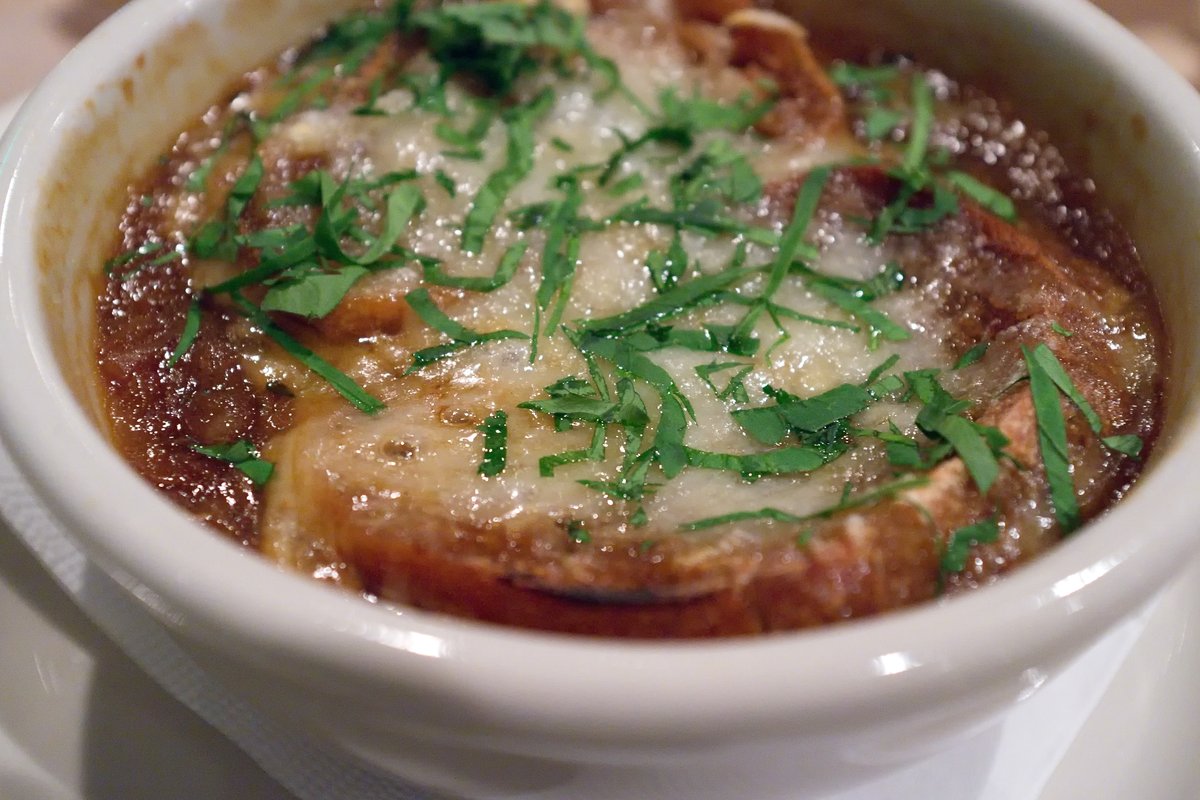
1. The Origins of French Onion Soup: From Humble Beginnings to Bistro Icon
French onion soup traces its roots to 18th-century Paris, where it was considered a humble peasant dish. Onions were cheap and abundant, and cooks simmered them in broth to create a warming meal for the working class. The addition of stale bread and melted cheese elevated it into a satisfying one-pot supper. By the mid-1800s, Parisian bistros began serving the soup as a late-night staple, especially after theater performances. The iconic melted Gruyère crouton became the signature finish, turning a simple soup into a decadent experience.
Today, French onion soup remains a benchmark of bistro cooking. Its enduring popularity stems from the deep umami flavor achieved through slow caramelization of onions--a process that can take 45 minutes or more. The soup's ability to transform inexpensive ingredients into a luxurious dish is a testament to classic French culinary technique. According to a 2023 survey by the National Restaurant Association, French onion soup ranks among the top 10 most-ordered appetizers in American bistros, with 68% of diners citing the cheese crust as the primary reason for ordering.
Key Stat: A properly caramelized onion loses about 80% of its volume, concentrating sugars and creating the deep brown color essential for authentic French onion soup flavor.
2. Essential Ingredients: Why Gruyère Makes the Difference
The choice of cheese is non-negotiable for an authentic French onion soup. Gruyère--a hard Swiss cheese aged for at least 5 months--offers a nutty, slightly sweet flavor that complements the savory broth. Its high fat content (around 32%) allows it to melt smoothly without becoming greasy, forming a golden-brown crust under the broiler. While some recipes substitute Emmental or Comté, Gruyère remains the gold standard. A 2022 taste test by Cook's Illustrated found that 9 out of 10 chefs preferred Gruyère for its superior melt and flavor depth.
Beyond cheese, the broth is critical. Traditional recipes use beef broth made from roasted bones, but a high-quality store-bought broth works if you enhance it with a splash of dry white wine (like Sauvignon Blanc) and fresh thyme. Onions should be yellow or Spanish varieties, which have a higher sugar content for caramelization. Butter and a touch of olive oil prevent burning during the long cooking process. A crusty baguette, sliced into 1-inch rounds and toasted, provides the structural base for the cheese. Avoid pre-shredded cheese--it contains anti-caking agents that hinder melting. Always grate Gruyère fresh from a block.
3. Step-by-Step Technique: Mastering Caramelization and Assembly
Start by slicing 4 large yellow onions (about 2 pounds) into thin half-rings. Heat 3 tablespoons of butter and 1 tablespoon of olive oil in a heavy-bottomed pot over medium heat. Add the onions and a pinch of salt, stirring every 5 minutes. After 10 minutes, reduce heat to medium-low. Continue cooking for 35-45 minutes, stirring more frequently as the onions brown. The goal is a deep mahogany color, not burnt. Deglaze the pot with ½ cup of dry white wine, scraping up the browned bits. Add 6 cups of beef broth, 2 sprigs of fresh thyme, and 1 bay leaf. Simmer for 20 minutes. Remove the herbs and season with black pepper--no salt needed if the broth is salted.
For assembly, preheat your broiler. Ladle the soup into oven-safe ramekins or a large Dutch oven. Float a toasted baguette slice on each serving, then pile on ½ cup of grated Gruyère per bowl. Broil 4-6 inches from the heat for 3-5 minutes, until the cheese is bubbling and browned in spots. Watch carefully--cheese can burn quickly. Let the soup rest for 2 minutes before serving to avoid mouth burns. The cheese should stretch when lifted with a spoon. Serve with a side of Dijon mustard for dipping the bread crusts.
4. Common Mistakes and How to Avoid Them
The most frequent error is rushing the caramelization. Onions cooked on high heat will burn before they develop sweetness. Always use medium-low heat and patience. If you see black specks, the heat is too high. Another mistake is using too much liquid--the soup should be brothy, not watery. Stick to a 6:1 ratio of broth to wine. Overloading the cheese can also cause it to slide off the bread into the soup, creating a greasy mess. Use a generous but controlled amount--about ½ cup per serving. Finally, skipping the toasting step for the bread leads to soggy croutons. Toast the baguette slices at 350°F for 10 minutes until dry and lightly golden.
Temperature control is crucial during broiling. If the cheese melts but doesn't brown, move the rack closer to the element. If it browns but the soup is cold, your bowls weren't preheated. Warm the ramekins in a 200°F oven for 5 minutes before filling. For a vegetarian version, substitute mushroom broth and add a splash of soy sauce for umami. Avoid using sweet onions like Vidalia--they become too mushy during long cooking. Stick to yellow onions for the best texture and flavor balance.
5. Serving Suggestions and Wine Pairings
French onion soup is a meal in itself, but it pairs beautifully with a simple green salad dressed with vinaigrette to cut the richness. For a classic bistro experience, serve with a crusty baguette and a small dish of cornichons. The soup is traditionally eaten with a spoon and fork--use the fork to break the cheese crust and the spoon to scoop the broth. For wine, a dry white like Chablis or a light red like Beaujolais complements the savory broth without overpowering the cheese. A 2021 study by the Wine & Spirits Education Trust found that 73% of sommeliers recommend a crisp Sauvignon Blanc with Gruyère-based dishes.
Leftovers can be stored in the refrigerator for up to 3 days, but store the cheese croutons separately to prevent sogginess. Reheat the soup on the stovetop, then add fresh toasted bread and cheese before broiling. Freezing is not recommended--the texture of the onions becomes mushy upon thawing. For a modern twist, try adding a splash of sherry or brandy to the broth before serving. Some chefs garnish with fresh thyme leaves or a drizzle of truffle oil for extra luxury. However, the classic version remains the most beloved--simple, rich, and deeply satisfying.