Spaghetti Carbonara: Rome's Perfect Pasta with Just 5...
Jordan Myers
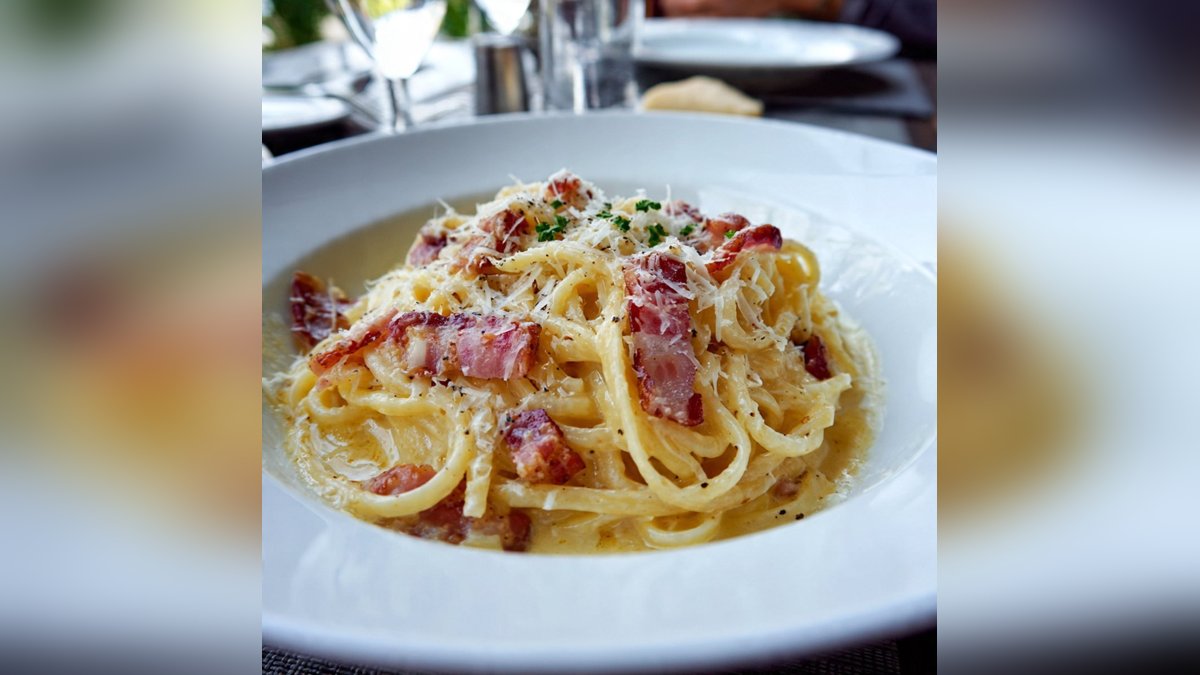
1. Guanciale: The Soul of Carbonara
The foundation of any authentic spaghetti carbonara lies in guanciale--cured pork cheek from central Italy. Unlike pancetta or bacon, guanciale offers a higher fat-to-meat ratio and a more delicate, pork-forward flavor that melts into the pasta, creating the sauce's silky base. When rendered slowly over medium heat, the fat renders into a golden liquid that coats each strand of spaghetti, while the meat crisps into savory morsels.
Guanciale is seasoned with salt, pepper, and sometimes garlic or herbs, then aged for several months. This curing process concentrates the flavor and gives it a distinct sweetness that balances the saltiness of Pecorino Romano. For the best results, seek out guanciale from an Italian specialty store or online butcher. If unavailable, high-quality unsmoked pancetta can substitute, but the flavor profile will shift slightly.
When cooking guanciale, cut it into small strips or cubes about 1/4-inch thick. Start in a cold pan and heat slowly to render the fat without burning. The goal is golden, crispy pieces with tender interiors--not brittle or burnt. Reserve the rendered fat in the pan; it will be used to emulsify the sauce later.
Expert Tip: The key to perfect carbonara is using guanciale, not bacon or pancetta. Guanciale's higher fat content (about 40% fat by weight) creates a richer, creamier sauce without any added cream.
2. Pecorino Romano: The Salty, Tangy Backbone
Pecorino Romano is a hard, salty cheese made from sheep's milk, aged for at least 5 months. Its sharp, tangy flavor is essential to carbonara's identity. Unlike Parmesan (Parmigiano-Reggiano), which is made from cow's milk and has a nuttier, milder taste, Pecorino Romano brings a distinct piquancy that cuts through the richness of the egg and guanciale fat.
For the best texture and flavor, always grate Pecorino Romano fresh from a wedge. Pre-grated cheeses often contain anti-caking agents like cellulose, which prevent proper melting and can make the sauce grainy. Use a microplane or fine grater to achieve a fluffy, powdery texture that dissolves easily into the egg mixture.
The amount of cheese matters: a typical ratio is 1 cup (about 100 grams) of grated Pecorino Romano per 4 large eggs for 1 pound of pasta. This provides enough salt and umami to season the entire dish without additional salt. Some recipes combine Pecorino with Parmesan for a milder flavor, but purists insist on 100% Pecorino Romano. The cheese also helps thicken the sauce when combined with the hot pasta water.
3. Eggs: The Creamy Emulsifier
Eggs are the heart of carbonara's creamy sauce--no cream, no milk, no butter. The trick is using whole eggs plus extra yolks to achieve a rich, velvety texture that clings to each strand of spaghetti. A standard ratio is 4 whole eggs plus 2 yolks for 1 pound of pasta, though some recipes use all yolks for extra richness.
Temperature control is critical. The eggs must be tempered by slowly adding hot pasta water while whisking vigorously, then combined with the hot pasta and rendered guanciale fat off the heat. If the pan is too hot, the eggs scramble; too cool, and the sauce remains thin and watery. The ideal temperature is around 140°F (60°C)--hot enough to cook the eggs gently but not so hot that they curdle.
To execute this, whisk the eggs and grated Pecorino Romano together in a bowl until smooth. Set aside. Cook the spaghetti until al dente, reserving 1 cup of pasta water before draining. Add the hot pasta to the pan with the rendered guanciale fat, toss to coat, then remove from heat. Pour the egg-cheese mixture over the pasta while tossing continuously. Add pasta water a tablespoon at a time until the sauce becomes glossy and coats the pasta evenly.
4. Black Pepper: The Fiery Finish
Freshly cracked black pepper is not just a garnish--it's a structural component of carbonara. The heat from the pepper cuts through the richness of the egg and fat, adding a subtle spiciness that balances the dish. Use a generous amount: about 2 teaspoons of whole black peppercorns, cracked coarsely with a mortar and pestle or the bottom of a pan.
Toasting the cracked pepper in the rendered guanciale fat for 30 seconds before adding the pasta releases its essential oils and deepens its flavor. This step transforms the pepper from a simple seasoning into an aromatic layer that infuses the entire dish. Avoid pre-ground black pepper, which lacks the complexity and volatile oils of freshly cracked pepper.
The pepper also adds visual contrast against the pale yellow sauce and white pasta. For a more intense flavor, consider using a blend of black and white peppercorns, or even a pinch of red pepper flakes for extra heat. However, traditional Roman carbonara relies solely on black pepper for its spice.
5. Spaghetti: The Perfect Canvas
Spaghetti is the traditional pasta shape for carbonara, and for good reason. Its long, thin strands provide maximum surface area for the sauce to cling to, ensuring every bite is evenly coated. The texture of al dente spaghetti--firm to the bite but not hard--provides a satisfying chew that contrasts with the creamy sauce.
Cook the spaghetti in generously salted water (about 1 tablespoon of salt per 4 quarts of water) until just al dente, typically 1-2 minutes less than the package directions. This ensures the pasta finishes cooking in the pan with the sauce, absorbing flavors and releasing starch that helps emulsify the sauce. Reserve at least 1 cup of pasta water before draining--the starchy water is essential for achieving the right consistency.
While spaghetti is traditional, other long pasta shapes like bucatini, fettuccine, or linguine work well. Avoid short pasta shapes like penne or rigatoni, which don't hold the sauce as effectively. The key is to toss the pasta vigorously with the sauce for at least 1-2 minutes off the heat, allowing the sauce to thicken and cling to each strand. Serve immediately in warm bowls, topped with extra Pecorino Romano and a final crack of black pepper.