Kou Wei Xia: Hunan's Spicy Crayfish Bursting with Chili and...
JM
Jordan Myers
Prep Time
15 mins
Cook Time
30 mins
Servings
4
Difficulty
Medium
What Makes Kou Wei Xia the Crown Jewel of Hunan Street Food?
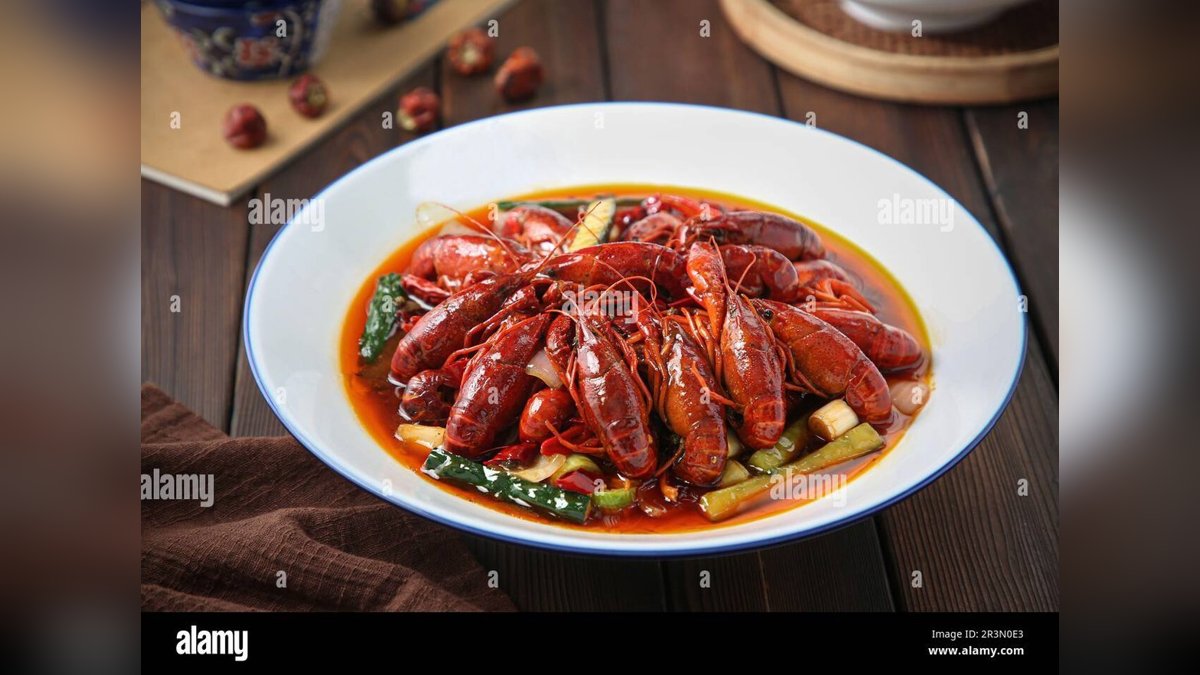
Kou Wei Xia (), literally translated as "taste shrimp" or "flavorful crayfish," is a quintessential dish from Changsha, the capital of Hunan province. Unlike the more delicate preparations found in coastal Chinese cuisines, Kou Wei Xia is an unapologetic assault on the senses--a mountain of whole crayfish buried under a blazing blanket of dried red chilies, fresh garlic, ginger, and Sichuan peppercorns. This dish didn't just appear; it evolved from the region's deep-rooted love for bold, pungent flavors that define Xiang cuisine.
What sets Kou Wei Xia apart from other Chinese crayfish dishes, such as Jiangsu's "Thirteen Spices" or Sichuan's mala versions, is its laser focus on two primary ingredients: chili and garlic. While Sichuan cuisine relies heavily on the numbing sensation of Sichuan peppercorns, Hunan cooking celebrates the direct, unadulterated heat of fresh and dried chilies. In Kou Wei Xia, the garlic is not a background note--it's a co-star. Cloves are smashed and stir-fried until fragrant, then simmered with the crayfish so they soften and release their sweetness into the sauce. The result is a dish that's simultaneously fiery, savory, and deeply aromatic.
Key Stat: According to the Hunan Crayfish Industry Association, over 500,000 tons of crayfish are consumed annually in Hunan province, with Kou Wei Xia accounting for nearly 40% of all crayfish dishes ordered in Changsha restaurants during peak summer months.
The cultural significance of Kou Wei Xia cannot be overstated. In Changsha, eating crayfish is a communal ritual that brings friends and families together around metal tables piled high with shells. The dish is typically enjoyed with cold beer or a sweet, chilled beverage to temper the heat. It's messy, loud, and utterly satisfying--a perfect representation of Hunan's straightforward, passionate approach to food.
Selecting the Perfect Crayfish: Freshness Is Non-Negotiable
The foundation of any great Kou Wei Xia is the quality of the crayfish themselves. In China, the most prized variety is the red swamp crayfish (Procambarus clarkii), which is farmed extensively in the lakes and rice paddies of Hunan, Hubei, and Jiangsu provinces. When shopping for live crayfish, look for specimens that are active and responsive. A healthy crayfish will raise its claws when provoked and move its tail vigorously. Avoid any that are sluggish, have broken shells, or emit a foul odor--these are signs of spoilage or disease.
Size matters, but bigger isn't always better. For Kou Wei Xia, medium-sized crayfish (about 3-4 inches from head to tail) are ideal. They have a higher meat-to-shell ratio than smaller ones and are easier to clean and devein. Jumbo crayfish, while impressive, often have tougher meat and require longer cooking times that can make the smaller ones in the batch overcook. Aim for uniformity in size so that all the crayfish cook evenly.
Once you've selected your crayfish, proper cleaning is essential. Start by soaking them in cold water for 30 minutes to allow any mud or debris to settle. Then, using a stiff brush, scrub each crayfish under running water, paying special attention to the underside of the tail and the crevices around the head. Many home cooks also remove the intestinal tract (the dark vein running along the tail) by twisting and pulling the middle tail fin--this step is optional but recommended for a cleaner presentation and texture. Some purists argue that removing the vein before cooking causes the meat to lose flavor, but in a dish as boldly seasoned as Kou Wei Xia, the difference is negligible.
The Chili-Garlic Sauce: Building Layers of Heat and Aroma
The soul of Kou Wei Xia lies in its sauce--a complex emulsion of chili oils, garlic, ginger, and fermented condiments that clings to every shell and infuses the meat. Unlike Western-style garlic butter sauces, the Hunan version relies on a two-pronged chili approach: dried red chilies for smoky, persistent heat, and fresh bird's eye chilies for sharp, immediate spiciness. The garlic is used in staggering quantities--often a whole head per pound of crayfish--smashed rather than minced to release its essential oils without burning.
To build the sauce, start by heating a generous amount of cooking oil (peanut or vegetable) in a wok over high heat. Add the dried chilies and stir-fry for 15-20 seconds until they darken slightly and release their aroma. Be careful not to burn them, as this will impart a bitter taste. Next, add the smashed garlic cloves, sliced ginger, and chopped scallions. Stir-fry for another minute until the garlic is fragrant and just beginning to turn golden. At this point, add a tablespoon of doubanjiang (fermented chili bean paste) and a teaspoon of ground Sichuan peppercorns. The doubanjiang adds umami depth and a subtle fermented funk that balances the raw heat of the chilies.
Now it's time to deglaze the wok. Pour in a mixture of light soy sauce, dark soy sauce, Shaoxing wine, and a small amount of sugar. The sugar is crucial--it counteracts the bitterness of the chilies and helps caramelize the sauce as it reduces. Add a cup of chicken stock or water, bring to a boil, then reduce the heat to a simmer. This is the moment to taste and adjust: more chilies for heat, more sugar for sweetness, more soy for saltiness. The final sauce should be intensely savory, with a lingering heat that builds with each bite.
The Cooking Process: From Wok to Table in Under 20 Minutes
Kou Wei Xia is a fast-cooking dish, which is why it's so popular in street-side stalls and home kitchens alike. Once your sauce base is ready, add the cleaned crayfish to the wok and toss vigorously to coat each one. Cover the wok and let the crayfish steam in the sauce for 8-10 minutes, shaking the wok occasionally to redistribute the liquid. The crayfish are done when their shells turn a brilliant, uniform red and the tail meat is opaque and firm to the touch.
During the final two minutes of cooking, remove the lid and increase the heat to high to reduce the sauce. You want the sauce to thicken and cling to the shells, not pool at the bottom of the wok. Add a splash of sesame oil and a handful of fresh cilantro leaves, then toss once more. Transfer the entire contents of the wok to a large serving platter--don't bother arranging them neatly; the beauty of Kou Wei Xia is in its rustic, piled-high presentation.
Serve immediately, accompanied by a stack of napkins, a bowl for discarded shells, and plenty of cold beer or a sweet soy milk drink. Eating Kou Wei Xia is a hands-on experience: pick up a crayfish by the head, twist off the tail, and suck the spicy sauce from the shell before extracting the meat. Don't forget the head--many connoisseurs consider the tomalley (the yellow fat inside the head) to be the best part, rich and creamy with concentrated chili flavor.
Regional Variations and Pro Tips for the Perfect Batch
While the classic Changsha version of Kou Wei Xia is defined by its chili-garlic intensity, neighboring regions have put their own spins on the dish. In Yueyang, a city on the shores of Dongting Lake, cooks add a handful of dried tangerine peel to the sauce for a subtle citrusy sweetness that cuts through the richness. In Xiangtan, the dish is often made with a higher proportion of fresh green chilies, resulting in a brighter, grassier heat. Some modern restaurants in Changsha now offer a "garlic-only" version for those who want the pungent allium flavor without the fiery chili kick--though purists argue this misses the point entirely.
For home cooks looking to elevate their Kou Wei Xia, here are a few professional tips. First, never skip the step of "oil-blanching" the crayfish before adding them to the sauce. Briefly deep-frying the crayfish in hot oil for 30 seconds seals in moisture and gives the shells a glossy sheen. Second, use a combination of dried chilies--such as facing heaven chilies () for heat and dried red chilies for color--to achieve both visual appeal and layered spiciness. Third, let the finished dish rest for 5 minutes before serving. This allows the sauce to penetrate deeper into the shells and the meat to absorb more flavor.
Finally, consider the beer pairing. A crisp lager or pilsner is the traditional choice, but a hoppy IPA can stand up to the dish's intensity, while a wheat beer's slight sweetness complements the garlic. For a non-alcoholic option, try a chilled jasmine tea or a sour plum drink (suanmeitang)--both are popular in Hunan for their ability to refresh the palate between bites.
Hunan CuisineCrayfishSpicy RecipesChinese Street FoodGarlic LoversXiang Cuisine