Turkish Döner Kebab: The Rotating Meat That Changed Street Food...
JM
Jordan Myers
Prep Time
15 mins
Cook Time
30 mins
Servings
4
Difficulty
Medium
1. The Origins of Döner Kebab: From Ottoman Empire to Berlin Streets
The döner kebab, whose name derives from the Turkish word "dönmek" meaning "to rotate," traces its roots back to 19th-century Ottoman Turkey. The original concept involved stacking seasoned lamb or mutton on a vertical spit and roasting it slowly over an open fire. This method, known as "döner" in Turkish, was a practical solution for cooking large quantities of meat efficiently while keeping it juicy and flavorful.
However, the modern döner kebab as we know it--served in bread as a portable sandwich--was popularized not in Turkey but in Berlin, Germany, during the 1970s. Turkish immigrant Kadir Nurman is widely credited with inventing the döner sandwich in 1972, stuffing the sliced meat into bread with salad and sauce to cater to German workers seeking a quick, affordable meal. Today, Berlin alone has over 1,500 döner shops, and the dish generates an estimated €7 billion annually across Europe.
Berlin consumes more döner kebab than Istanbul, with over 1,500 shops serving 2 million döners daily--making it Germany's most popular street food.
The cultural journey of döner kebab reflects the broader story of Turkish migration and culinary adaptation. While traditional Turkish döner is often served on a plate with rice or bread, the German adaptation transformed it into a handheld meal that conquered global street food markets. This fusion of technique and convenience is why döner kebab remains one of the most beloved fast foods worldwide.
2. The Art of the Vertical Spit: Technique and Meat Selection
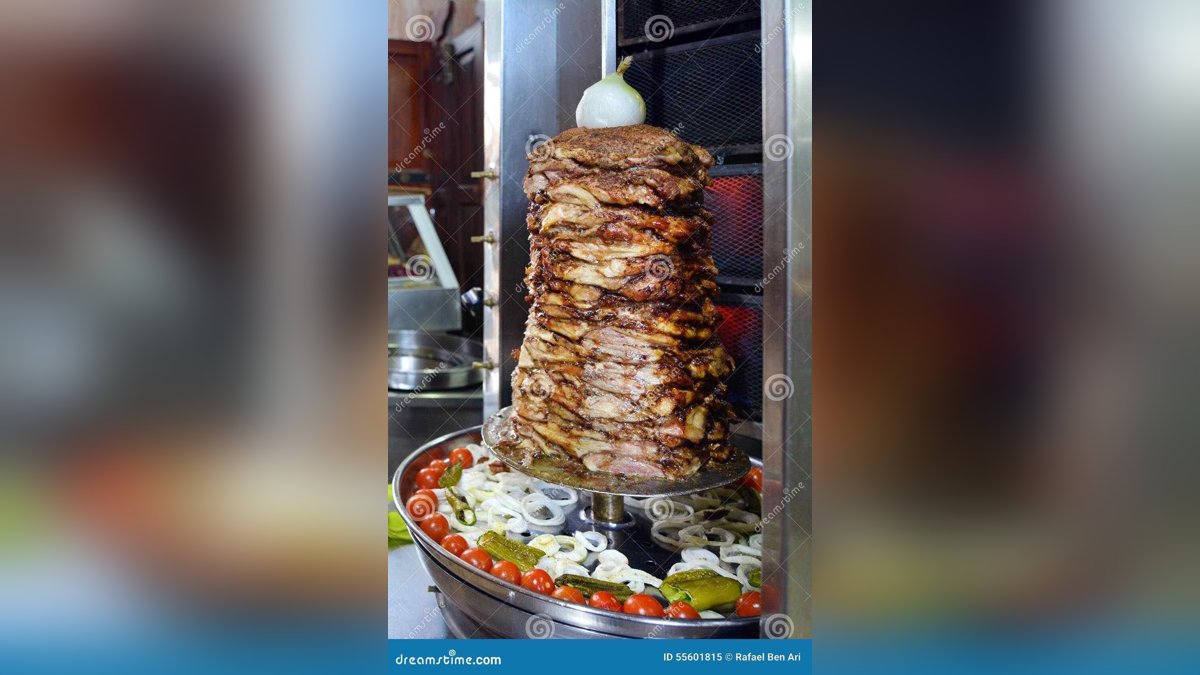
Authentic döner kebab begins with the meat stack, which is the heart of the dish. Traditionally, lamb or beef is used, though chicken and veal are common variations. The meat is marinated for 12-24 hours in a mixture of yogurt, milk, onion juice, salt, pepper, and spices like cumin, paprika, and oregano. This marinade tenderizes the meat and infuses it with deep flavor before it's layered onto the vertical spit.
The stacking process is a skill in itself. Thin slices of marinated meat are pressed tightly onto the spit, alternating fat and lean cuts to ensure even cooking and moisture retention. A properly built döner cone can weigh between 20 and 40 kilograms (44-88 pounds) and takes about 4-5 hours to cook fully. As the spit rotates slowly in front of a vertical gas or electric grill, the outer layers crisp up while the interior remains tender and juicy.
When a customer orders, the döner master uses a long, sharp knife to shave off thin, crispy slices from the surface. This technique ensures each serving has a mix of caramelized exterior and succulent interior. The temperature control is critical: too hot, and the meat dries out; too cool, and it becomes greasy. Master döner chefs train for years to perfect the carve, achieving paper-thin slices that melt in the mouth.
3. Regional Variations: Döner, Gyro, Shawarma, and Beyond
While döner kebab is Turkish in origin, it has spawned a family of similar dishes across the Mediterranean and Middle East. In Greece, the equivalent is gyros, which uses pork or chicken marinated with oregano, garlic, and lemon, served in pita with tzatziki sauce. In the Arab world, shawarma is the counterpart, featuring chicken or beef marinated with cardamom, cinnamon, and turmeric, often wrapped in flatbread with tahini or garlic sauce.
The key differences lie in the marinade, meat choice, and accompaniments. Turkish döner typically uses lamb or beef with a yogurt-based marinade, served with sumac onions, lettuce, tomato, and a choice of garlic or spicy sauce. German-style döner adds cabbage, cucumber, and a yogurt-herb sauce, while the bread is often a thicker, crustier roll. In Turkey, döner is also served as "İskender kebab"--sliced meat over pita bread topped with tomato sauce, melted butter, and yogurt.
Each regional version reflects local tastes and ingredients, but all share the core technique of vertical spit roasting. This adaptability is why döner kebab has become a global phenomenon, with variations found in Japan (using teriyaki sauce), Mexico (with salsa and guacamole), and even India (with tandoori spices). The döner's ability to absorb local flavors while maintaining its identity is a testament to its culinary genius.
4. The Döner Kebab's Impact on Global Street Food Culture
Döner kebab is more than a meal--it's a cultural icon that reshaped how the world eats on the go. Its rise in Europe during the 1970s and 1980s coincided with the growth of fast food culture, offering a fresher, more flavorful alternative to burgers and fries. Unlike many fast foods, döner is perceived as relatively healthy: it contains protein, vegetables, and bread in a balanced ratio, with no deep frying involved.
The economic impact is staggering. In Germany alone, the döner industry employs over 100,000 people and generates annual revenues exceeding €7 billion. The UK follows closely, with over 20,000 kebab shops serving millions of customers weekly. In Turkey, döner is a national treasure, with dedicated restaurants and even a museum in Istanbul celebrating its history. The dish has also inspired countless food trucks, pop-ups, and gourmet interpretations in fine dining.
Socially, döner kebab has become a symbol of multicultural integration. It bridges Turkish heritage with European street food culture, creating a shared culinary experience that transcends borders. Late-night döner runs after parties, lunchtime döner wraps for office workers, and family döner dinners all speak to its universal appeal. The döner kebab's journey from Ottoman spit to global street food staple is a story of innovation, migration, and the power of simple, delicious food.
5. How to Make Authentic Döner Kebab at Home
While nothing beats the real thing from a seasoned döner master, you can recreate authentic döner kebab at home with the right technique. Start by selecting high-quality lamb or chicken thigh meat--fat content is crucial for moisture. Slice the meat into thin, even pieces (about ¼ inch thick) and marinate overnight in a blend of yogurt, olive oil, onion juice, garlic, cumin, paprika, oregano, salt, and pepper.
For the cooking method, you have two options: a vertical rotisserie or a skillet. If you own a vertical spit (available from specialty kitchen stores), layer the marinated meat tightly onto the spit, alternating fat and lean slices. Cook at 350°F (175°C) for 2-3 hours, shaving off crispy layers as they brown. Without a spit, cook the marinated meat in a hot cast-iron skillet in batches, pressing down to get a caramelized crust, then slice thinly against the grain.
Assemble your döner with warm pita or flatbread, shredded lettuce, sliced tomatoes, red onion, and sumac. For sauces, offer a garlic yogurt sauce (Greek yogurt, garlic, lemon juice, dill) and a spicy harissa or chili sauce. The key to authentic flavor is the balance of tangy, savory, and spicy elements. Serve immediately, and you'll understand why döner kebab has captivated taste buds for over a century.
Street FoodTurkish CuisineKebabGlobal FoodCooking TechniquesFood History