Tonkatsu: Japan's Crispy Pork Cutlet with Bulldog Sauce Recipe...
Jordan Myers
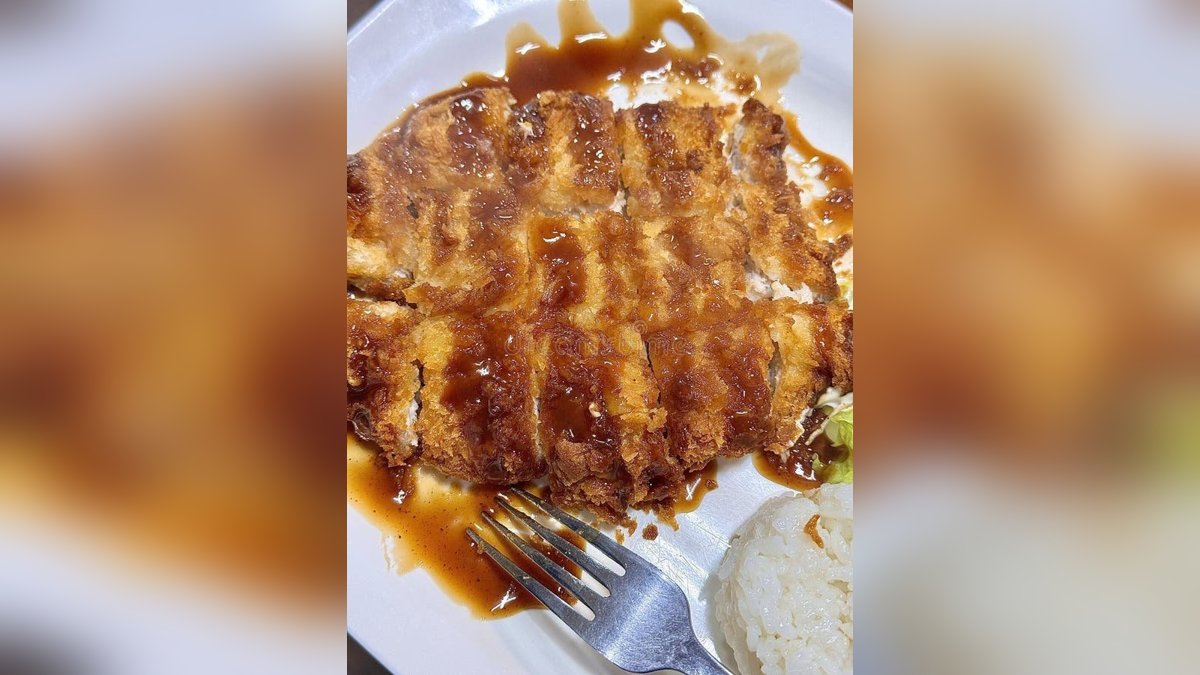
What Makes Tonkatsu the Ultimate Japanese Comfort Food?
Tonkatsu--a panko-crusted, deep-fried pork cutlet--is one of Japan's most beloved Western-influenced dishes (yoshoku). Unlike its European cousin Wiener schnitzel, tonkatsu achieves an almost shattering crunch through double-layered panko breadcrumbs and precise oil temperature control. The cutlet is traditionally sliced into thick strips, revealing a juicy, tender interior that contrasts dramatically with the golden, airy crust.
The dish's name combines ton (pork) and katsu (cutlet), but its soul lies in the pairing with Bulldog sauce--a thick, fruity Worcestershire-style condiment that balances sweet, tangy, and savory notes. First served in Tokyo's Rengatei restaurant in 1899, tonkatsu has evolved from a luxury Western import into a staple of Japanese home cooking and casual dining. Today, it appears everywhere from Michelin-starred katsu specialty shops to convenience store bento boxes.
Key Stat: Japan consumes over 1.2 billion servings of tonkatsu annually, with the average restaurant serving 180g of pork per portion--roughly 540 calories before sauce and rice.
The Science of the Perfect Panko Crust
The hallmark of exceptional tonkatsu is its crust--light, flaky, and audibly crispy. Panko breadcrumbs differ fundamentally from Western breadcrumbs. They are made from crustless bread processed into large, irregular flakes that create air pockets during frying. These pockets trap steam from the pork, preventing the crust from becoming greasy while maximizing crunch.
Professional tonkatsu chefs employ a two-step breading technique: first dusting the pork in flour, then dipping in beaten egg, and finally pressing into panko. The key is to not overwork the crumbs--gentle pressing ensures adhesion without crushing the flakes. After breading, a 10-minute rest in the refrigerator allows the coating to set, reducing the risk of the crust separating during frying.
Oil temperature is critical. Fry at 170°C (338°F) for the first 2 minutes to cook the pork through, then increase to 180°C (356°F) for the final minute to achieve deep golden color and extra crispness. Using a blend of canola and sesame oil (80:20 ratio) adds subtle nuttiness without overpowering the pork. Drain on a wire rack--never paper towels--to prevent steam from softening the crust.
Bulldog Sauce: The Tangy Secret Weapon
No tonkatsu experience is complete without Bulldog sauce, a Japanese condiment that has been manufactured by the Bulldog Sauce Company since 1902. Unlike Western steak sauces, Bulldog is fruit-forward, containing apple puree, tomato paste, dates, and over 20 spices. Its viscosity is thicker than Worcestershire sauce but thinner than ketchup, allowing it to cling to the cutlet without soaking through the crust.
The sauce's acidity cuts through the richness of fried pork, while its sweetness complements the caramelized crust. For homemade versions, combine 3 parts ketchup, 2 parts Worcestershire sauce, 1 part soy sauce, 1 part mirin, and a pinch of sugar and garlic powder. Simmer for 5 minutes to meld flavors. Store-bought Bulldog sauce is widely available in Asian grocery stores and online, but the DIY version lets you adjust sweetness and tang to your preference.
Regional variations exist: in Nagoya, miso katsu replaces Bulldog with a red miso-based sauce, while Okinawan versions use a lighter citrus-soy dip. However, the classic Bulldog pairing remains the gold standard for purists.
Step-by-Step: How to Make Restaurant-Quality Tonkatsu at Home
Ingredients (serves 2): 2 boneless pork loin chops (2.5 cm thick), 1 cup panko breadcrumbs, 1/2 cup all-purpose flour, 2 large eggs beaten with 1 tbsp water, salt and white pepper, neutral oil for frying, shredded cabbage, lemon wedges, Bulldog sauce.
Step 1: Prepare the Pork. Score the fat edge of each chop at 2 cm intervals to prevent curling. Pound to an even 1.5 cm thickness using a meat mallet. Season generously with salt and white pepper. White pepper is traditional--it adds mild heat without visible specks.
Step 2: Bread in Three Stages. Dredge each chop in flour, shaking off excess. Dip into beaten egg, allowing excess to drip. Press into panko, coating all sides. Use your fingertips to gently press crumbs into the meat--do not roll or compact. Refrigerate breaded cutlets for 10 minutes.
Step 3: Fry in Two Temperatures. Heat 5 cm of oil in a heavy pot to 170°C. Fry cutlets one at a time for 2 minutes per side. Increase oil to 180°C and fry 1 more minute per side until deep golden. Transfer to a wire rack for 2 minutes.
Step 4: Slice and Serve. Slice each cutlet into 2 cm strips against the grain. Arrange on a bed of finely shredded cabbage (this provides textural contrast and freshness). Drizzle Bulldog sauce over the meat or serve on the side. Garnish with lemon wedge and Japanese karashi mustard if desired.
Common Mistakes and How to Avoid Them
Mistake #1: Soggy crust. This happens when oil temperature drops too low. Fry in small batches--crowding the pot reduces oil temperature by up to 20°C. Use a thermometer; never guess. If you don't have one, test with a breadcrumb: it should sizzle immediately and float.
Mistake #2: Dry pork. Overcooking is the culprit. Pork loin should reach an internal temperature of 63°C (145°F) with a 3-minute rest. Thicker cuts (2.5 cm) require 4-5 minutes total fry time. Use a meat thermometer for precision. Alternatively, use pork shoulder (rosu) for more marbling and forgiveness.
Mistake #3: Crust falling off. This is usually due to insufficient egg coating or pressing crumbs too hard. The egg wash must fully cover the flour layer--any dry spots will cause separation. Also, let the breaded cutlet rest before frying; this allows the egg to set and grip the panko.
Mistake #4: Greasy finish. Drain on a wire rack, not paper towels. Paper towels trap steam, which condenses and makes the crust soggy. A rack allows air circulation on all sides. For extra insurance, place the rack in a 100°C oven for 2 minutes to evaporate residual moisture.
Master these techniques, and you'll produce tonkatsu that rivals Tokyo's best katsu specialty shops. The combination of shatteringly crisp panko, juicy pork, and tangy Bulldog sauce is a symphony of textures and flavors that has earned its place as a global comfort food icon.