Japanese Curry Rice: How the British Navy Created Japan's...
Jordan Myers
The Surprising Origins: From British Naval Rations to Japanese Kitchens
Japanese curry rice, or kare raisu, is one of Japan's most beloved comfort foods, but its origins are anything but Japanese. The story begins in the 19th century with the British Royal Navy, which had adopted curry powder from its colonial encounters in India. British sailors were served a thick, flour-thickened curry sauce over rice as a hearty, shelf-stable meal aboard ships. When Japan opened its ports to the West during the Meiji Restoration (1868-1912), the Imperial Japanese Navy looked to the British as a model for modernization--including their naval cuisine.
Japanese naval officers observed the British practice of serving curry on Fridays to use up leftover meat and vegetables, and they adopted the dish as a way to prevent beriberi, a thiamine deficiency common among sailors eating only white rice. The Japanese version, however, evolved quickly. Local cooks substituted British curry powder with a milder blend of spices, added carrots and potatoes for bulk, and thickened the sauce with a roux made from flour and butter--creating the signature glossy, stew-like consistency that defines Japanese curry today. By the early 20th century, the dish had spread from naval bases to civilian households, and it became a staple of school lunches and home cooking.
Key Stat: Japanese curry rice is now consumed more than 80 times per year by the average Japanese household, surpassing even sushi and ramen in frequency of home preparation, according to a 2023 survey by the Japan Curry Association.
What Makes Japanese Curry Unique: The Flavor Profile and Key Ingredients
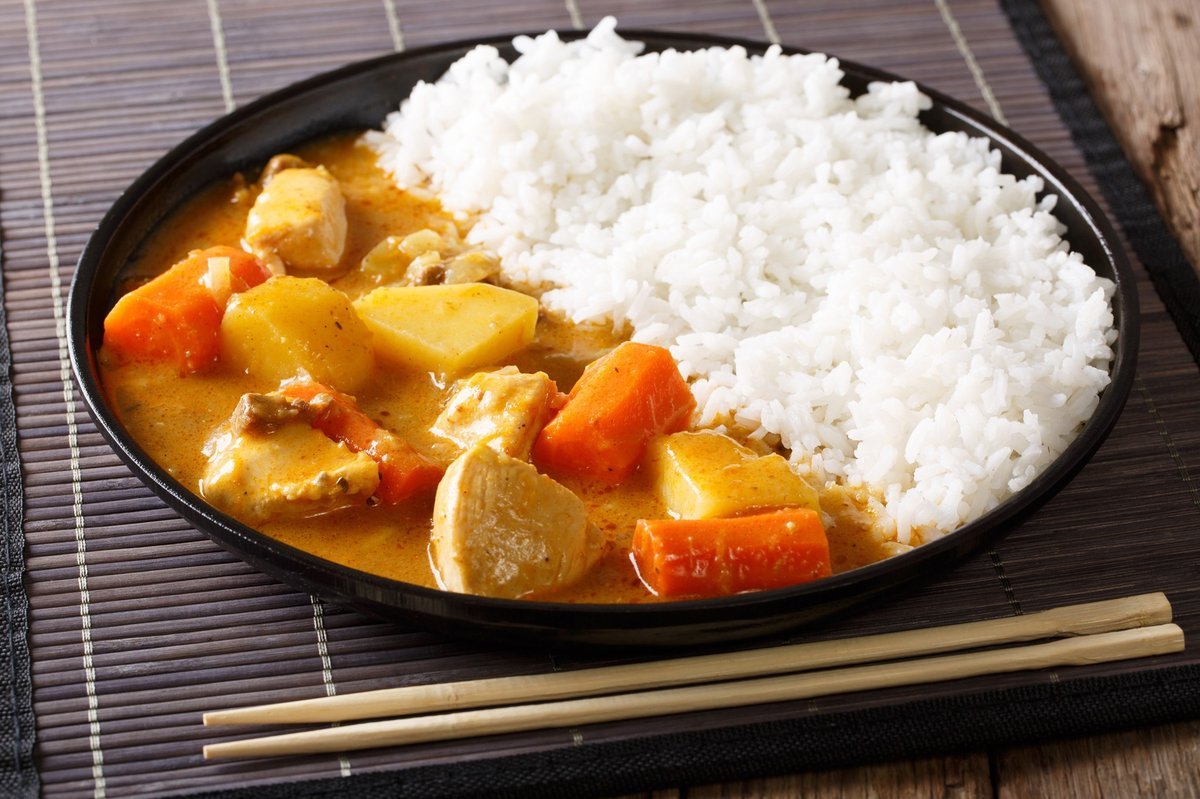
Unlike Indian or Thai curries, Japanese curry is characterized by its mild, savory-sweet flavor and thick, gravy-like consistency. The base typically starts with sautéed onions, carrots, and potatoes, cooked until soft and caramelized. Protein options include beef, chicken, pork, or even seafood, though beef is the most traditional choice. The magic lies in the curry roux--a block of solidified fat, flour, and curry powder that dissolves into the simmering broth. Commercial roux blocks like S&B Golden Curry and House Vermont Curry are household names in Japan, but homemade versions allow for deeper customization.
The spice blend in Japanese curry is distinct: it typically includes turmeric, cumin, coriander, fenugreek, and a touch of cinnamon or allspice for warmth. Some recipes add grated apple or honey for sweetness, and a splash of soy sauce or Worcestershire sauce for umami depth. The result is a comforting, non-spicy dish that appeals to all ages--children and adults alike. The rice is short-grain Japanese rice, cooked to a sticky, slightly firm texture that holds up to the thick sauce. It's traditionally served in a deep bowl with the curry ladled over half the rice, leaving the other half exposed for contrast.
Another hallmark is the use of fukujinzuke, a sweet-and-sour vegetable pickle, and rakkyo, pickled shallots, served on the side. These pickles cut through the richness of the curry and add a bright, acidic note. Some variations also include a soft-boiled egg on top or a sprinkle of toasted sesame seeds. The dish is almost always eaten with a spoon rather than chopsticks, a nod to its Western-inspired origins.
How to Make Authentic Japanese Curry Rice at Home: Step-by-Step Guide
Making Japanese curry rice from scratch is surprisingly simple, and the results far surpass any instant box mix. Start with 1 pound of beef chuck or chicken thighs, cut into bite-sized chunks. Sear the meat in a heavy pot until browned, then set aside. In the same pot, sauté 2 large diced onions over medium heat for 10-12 minutes until deeply caramelized--this is the foundation of flavor. Add 3 minced garlic cloves and 1 tablespoon of grated ginger, cooking for another minute. Then add 2 diced carrots and 2 peeled, cubed potatoes (Yukon Gold or Russet work well).
Pour in 4 cups of beef or chicken broth, add the seared meat back, and bring to a boil. Reduce heat and simmer for 30 minutes until vegetables are tender. For the roux, melt 4 tablespoons of butter in a separate pan, whisk in 4 tablespoons of all-purpose flour, and cook for 2-3 minutes until golden. Stir in 3 tablespoons of curry powder (Japanese brands preferred), 1 teaspoon of garam masala, and 1/2 teaspoon of cayenne (optional). Cook for 1 minute until fragrant. Add the roux to the simmering pot, stirring constantly until the sauce thickens. For sweetness, stir in 1 tablespoon of honey or grated apple. Simmer for another 10 minutes, then season with 2 tablespoons of soy sauce and 1 tablespoon of Worcestershire sauce. Serve over steamed Japanese rice with fukujinzuke on the side.
Pro tip: Japanese curry tastes even better the next day as flavors meld. Make a double batch and refrigerate overnight. Reheat gently and serve with a soft-boiled egg or tonkatsu (breaded pork cutlet) on top for a classic katsu curry variation. The dish freezes well for up to 3 months, making it an ideal meal-prep option.
Regional Variations and Modern Twists on a Classic
While the basic template remains consistent, Japan's regional curry cultures offer fascinating variations. In Hokkaido, soup curry features a thinner, broth-like base loaded with large chunks of vegetables and chicken, often served with a side of rice. In Kanazawa, the local specialty is curry udon, where the thick curry sauce is poured over chewy udon noodles instead of rice. In Yokosuka, a city with a strong naval history, the local Yokosuka Navy Curry is a direct descendant of the original British naval recipe, served with a side of milk and salad--a tradition that continues at the city's naval base.
Modern Japanese chefs have also pushed boundaries. Some restaurants serve dry curry, a stir-fried version where the curry sauce is cooked into the rice itself, similar to fried rice. Others offer cheese curry, topped with melted mozzarella or cheddar, baked until bubbly. Vegan and gluten-free versions have gained popularity, using coconut milk or cashew cream instead of butter and flour, and tamari instead of soy sauce. Even fast-food chains like CoCo Ichibanya have globalized the dish, offering customizable spice levels and toppings like cheese, vegetables, and fried shrimp.
Despite these innovations, the soul of Japanese curry remains unchanged: a humble, hearty, and deeply satisfying meal that bridges cultures and generations. if you're a seasoned cook or a curious beginner, mastering this dish connects you to a rich history of culinary exchange--from British naval galleys to Japanese home kitchens to your own dinner table.