Oyster Omelette: Fujian's Crispy
JM
Jordan Myers
Prep Time
15 mins
Cook Time
30 mins
Servings
4
Difficulty
Medium
What Makes Fujian's Oyster Omelette a Street Food Icon
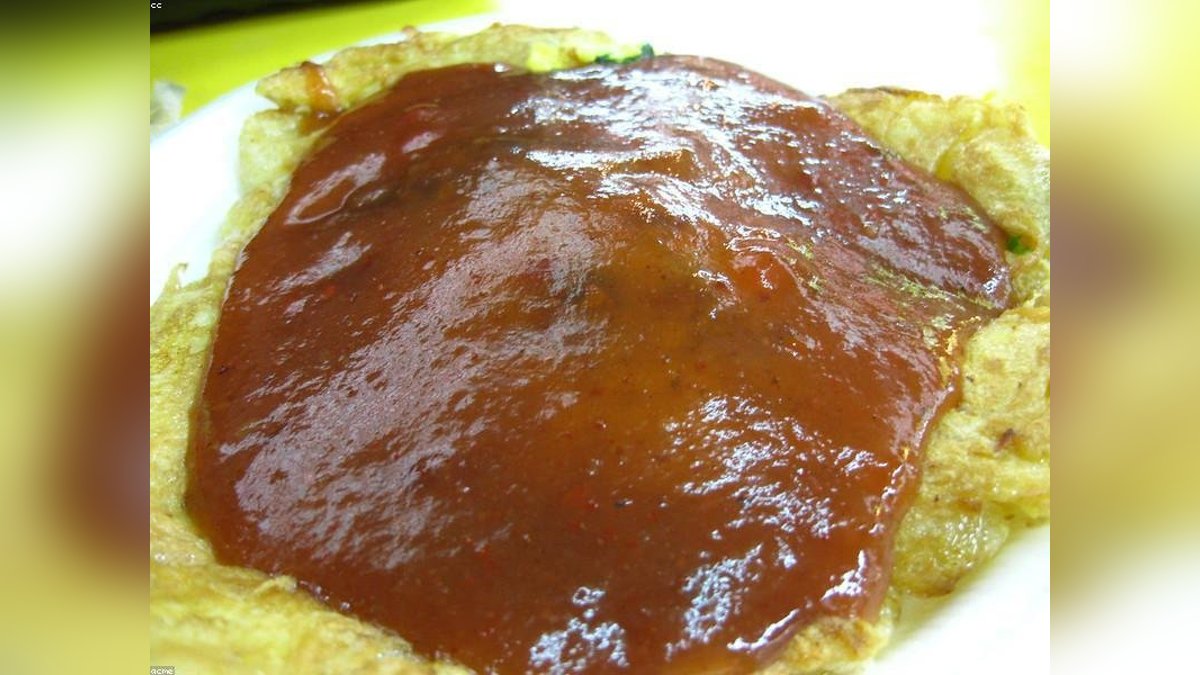
Walk through any night market in Taiwan, Xiamen, or Singapore, and the sizzle of oyster omelettes hitting a hot griddle is unmistakable. Known locally as oh ah jian () in Hokkien, this dish is the crown jewel of Fujianese street food. Unlike a Western omelette that's fluffy and uniform, the Fujian oyster omelette is a study in contrasts: crispy lace edges give way to a soft, almost gelatinous center, while briny oysters burst with oceanic sweetness.
The dish traces its roots to Fujian province on China's southeastern coast, where oysters have been harvested for centuries. Fujianese immigrants carried the recipe to Taiwan, where it became a national street food staple, and to Southeast Asia, where local variations emerged. What unites every version is the distinctive batter made from sweet potato starch, which creates that signature chewy-crisp texture impossible to achieve with wheat flour alone.
According to Taiwan's Night Market Association, oyster omelette stalls sell over 50 million portions annually across the island, making it the second most popular night market item after bubble tea.
The genius of the oyster omelette lies in its simplicity. With just five core ingredients--fresh oysters, sweet potato starch, eggs, scallions, and a tangy sauce--it delivers a flavor profile that ranges from savory to sweet to briny. The cooking technique is equally straightforward but demands precision: the starch batter must be fried until golden and lacy on the bottom before the eggs and oysters are added, then flipped at exactly the right moment to achieve the dual texture.
Ingredient Deep Dive: Why Sweet Potato Starch Is Non-Negotiable
The defining characteristic of an authentic Fujian oyster omelette is its texture, and that texture comes from one ingredient: sweet potato starch. Unlike cornstarch or potato starch, sweet potato starch creates a batter that turns translucent and chewy when cooked, with a satisfying resistance when you bite through it. This is the same starch used in Taiwanese ba wan (meatballs) and gives the omelette its signature QQ (chewy) mouthfeel.
When mixed with water and a touch of rice flour, sweet potato starch forms a slurry that fries into a lacy, crispy network on the outside while remaining soft and almost jelly-like inside. The starch also acts as a natural thickener for the sauce, creating a glossy, clingy coating that binds the omelette together. Substituting with all-purpose flour or cornstarch will yield a denser, less interesting texture--a common mistake that home cooks make.
Fresh oysters are equally critical. Look for small to medium Pacific oysters (Crassostrea gigas), which have a clean, briny flavor and firm texture that holds up to high heat. Avoid pre-shucked oysters packed in liquid, which can be watery and bland. The best oysters for this dish are freshly shucked, with their natural liquor intact. A typical serving uses 6-8 oysters per omelette, and they should be added to the pan just before the egg sets to prevent overcooking.
The sauce is the third pillar of the dish. A traditional Fujian oyster omelette sauce combines ketchup, chili sauce, soy sauce, sugar, and a slurry of sweet potato starch to create a sweet-tangy glaze. Some vendors add a splash of rice vinegar or Worcestershire sauce for depth. The sauce should be drizzled generously over the finished omelette, then topped with fresh cilantro for brightness.
Step-by-Step: How to Make Restaurant-Quality Oyster Omelette at Home
Making oyster omelette at home is surprisingly achievable with the right technique. Start by preparing the batter: whisk together 1/2 cup sweet potato starch, 2 tablespoons rice flour, 1/2 teaspoon salt, and 3/4 cup cold water until smooth. Let it rest for 10 minutes--this allows the starch to hydrate fully, preventing lumps. Meanwhile, drain 12-16 fresh shucked oysters and pat them dry with paper towels. Any excess moisture will cause the batter to steam rather than fry, ruining the crispiness.
Heat a 10-inch non-stick skillet or well-seasoned cast iron pan over medium-high heat with 2 tablespoons of vegetable oil. When the oil shimmers, pour in the batter and swirl to coat the bottom evenly. Cook undisturbed for 2-3 minutes until the edges turn golden brown and lacy. The center should still look slightly translucent. Crack 2 large eggs directly onto the batter and gently break the yolks with a spatula, spreading the egg evenly without mixing it completely into the starch layer.
Scatter the oysters and 2 tablespoons of chopped scallions over the egg. Cook for another 1-2 minutes until the egg is mostly set but still slightly runny on top. Now comes the critical flip: slide a wide spatula under the omelette and flip it in one confident motion. Cook the second side for 1-2 minutes until the oysters are just cooked through and the egg is fully set. Slide onto a plate, drizzle with sauce, and garnish with fresh cilantro and a sprinkle of white pepper.
For the sauce, combine 3 tablespoons ketchup, 1 tablespoon sweet chili sauce, 1 tablespoon soy sauce, 1 teaspoon sugar, and 1/2 cup water in a small saucepan. Whisk in 1 tablespoon sweet potato starch dissolved in 2 tablespoons water. Bring to a simmer over medium heat, stirring constantly until thickened and glossy, about 2 minutes. Adjust sweetness or tanginess to your preference.
Regional Variations: From Taiwan to Singapore to Fujian
While the core concept remains consistent, oyster omelette takes on distinct personalities across different regions. In Taiwan, the dish is typically served with a thick, sweet red sauce made from ketchup and chili sauce, and the omelette is often cut into bite-sized pieces before serving. Taiwanese versions tend to be softer and more custard-like, with a higher ratio of egg to starch. Night market vendors in Taipei's Shilin or Raohe markets cook them on large flat griddles, using metal spatulas to chop and fold the omelette as it cooks.
In Singapore and Malaysia, the dish is known as orh luak and takes a crispier approach. The batter is fried until deeply golden and crunchy, almost like a potato chip crust, before the eggs and oysters are added. The sauce is thinner and more vinegar-forward, often made with chili sauce and lime juice. Singaporean versions also frequently include a side of pickled green chilies for acidity. The result is a textural experience that emphasizes crunch over chewiness.
Back in Fujian province, particularly in Xiamen and Quanzhou, the original version is simpler and less saucy. The omelette is cooked with minimal oil, resulting in a lighter, less greasy dish. The sauce is often just a drizzle of soy sauce and rice vinegar, allowing the natural flavor of the oysters to shine. Fujianese cooks also sometimes add a handful of bean sprouts or Chinese chives for extra crunch and freshness.
Each variation reflects local tastes and available ingredients, but all share the same DNA: fresh oysters, sweet potato starch, and eggs cooked together into a harmonious whole. If you're trying oyster omelette for the first time, start with the Taiwanese version for its balanced flavors, then explore the crispier Singaporean style or the purist Fujian original.
Pro Tips for Perfecting Your Oyster Omelette Every Time
Achieving that elusive crispy-soft texture requires attention to a few key details. First, oil temperature matters more than you think. The pan must be hot enough that the batter sizzles immediately on contact--around 375°F (190°C). If the oil isn't hot enough, the batter will absorb oil and turn greasy instead of crispy. Use a thermometer or test with a drop of batter: it should bubble vigorously and turn golden within 30 seconds.
Second, don't overcrowd the pan. A single omelette needs a 10-inch pan at minimum. Using a smaller pan will result in a thick, doughy center that never crisps up. If you're cooking for a crowd, make individual omelettes one at a time rather than scaling up the batch. The extra effort is worth it for the texture.
Third, resist the urge to stir or move the omelette too early. Let the batter fry undisturbed until the edges are deeply golden and lacy. This creates the structural integrity needed for a clean flip. If you try to flip too soon, the omelette will fall apart. Use a thin, flexible spatula and slide it completely under the omelette before flipping with confidence.
Finally, serve immediately. Oyster omelette is at its peak within 2 minutes of coming off the heat. The crispy edges soften quickly as they absorb moisture from the sauce and oysters. If you're serving a crowd, keep the finished omelettes on a wire rack in a warm oven (200°F) for no more than 5 minutes. Any longer and you'll lose the textural contrast that makes this dish so beloved.
Fujian CuisineStreet FoodOyster RecipesTaiwanese FoodNight MarketAsian Cooking