Takoyaki: Osaka's Octopus
Jordan Myers
1. The Origins: How Takoyaki Became Osaka's Soul Food
Takoyaki's story begins in 1935, when a street vendor named Tomekichi Endo in Osaka's Shinsekai district created the first version of this now-iconic snack. Endo, who ran a stall called Aizuya, was inspired by a popular round-shaped snack called akashiyaki from Akashi City, Hyogo Prefecture. Akashiyaki was a simple egg-based ball filled with octopus, but Endo refined the recipe by adding a richer batter made with dashi (Japanese soup stock), creating a lighter, more flavorful interior. He also invented the special cast-iron griddle with hemispherical molds that allowed for even cooking and easy flipping.
Osaka, often called Japan's kitchen, was already a hub for street food culture. The city's working-class population craved cheap, filling, and fast meals. Takoyaki fit perfectly: it was affordable, portable, and packed with umami. By the 1950s, takoyaki stalls had spread across Osaka, and by the 1970s, they were a fixture at festivals, shopping arcades, and train stations nationwide. Today, Osaka alone has over 5,000 takoyaki shops, and the snack has become a global phenomenon, with dedicated restaurants in New York, London, and Bangkok.
Key Stat: Osaka's takoyaki industry generates over ¥100 billion (approximately $700 million USD) annually, with the average Osaka resident eating takoyaki more than 50 times per year.
2. The Anatomy of Perfect Takoyaki: Batter, Octopus, and Fillings
The magic of takoyaki lies in its contrast: a crispy, golden-brown exterior with a molten, almost custard-like interior. The batter is the foundation. Authentic Osaka-style takoyaki uses a thin batter made from wheat flour, eggs, water, and a generous amount of dashi--typically kombu (kelp) and katsuobushi (bonito flakes) stock. The dashi adds a deep, savory umami that distinguishes takoyaki from mere fried dough. Some recipes also add a splash of soy sauce or mirin for extra depth.
The star ingredient is tako (octopus). High-quality takoyaki uses fresh or frozen octopus tentacles, cut into bite-sized cubes. The octopus is pre-boiled until tender, then added to each mold just after the batter is poured. A single piece per ball is standard, but premium versions may include two or three. The octopus provides a chewy, briny counterpoint to the soft batter. Other common fillings include tenkasu (tempura scraps) for crunch, chopped green onion for sharpness, and pickled ginger (beni shoga) for acidity. These additions are not just flavor enhancers--they also prevent the batter from becoming too homogeneous.
To cook, the griddle is oiled generously, and the batter is poured to overflow each mold. The cook quickly adds the octopus and fillings, then uses a metal pick to turn each ball 90 degrees, allowing the excess batter to form the ball's rounded shape. The constant turning creates the signature spherical form and ensures even browning. A skilled cook can flip a full batch of 16 balls in under 30 seconds. The result is a snack that is simultaneously crispy, creamy, chewy, and crunchy.
3. The Dancing Bonito Flakes: Umami in Motion
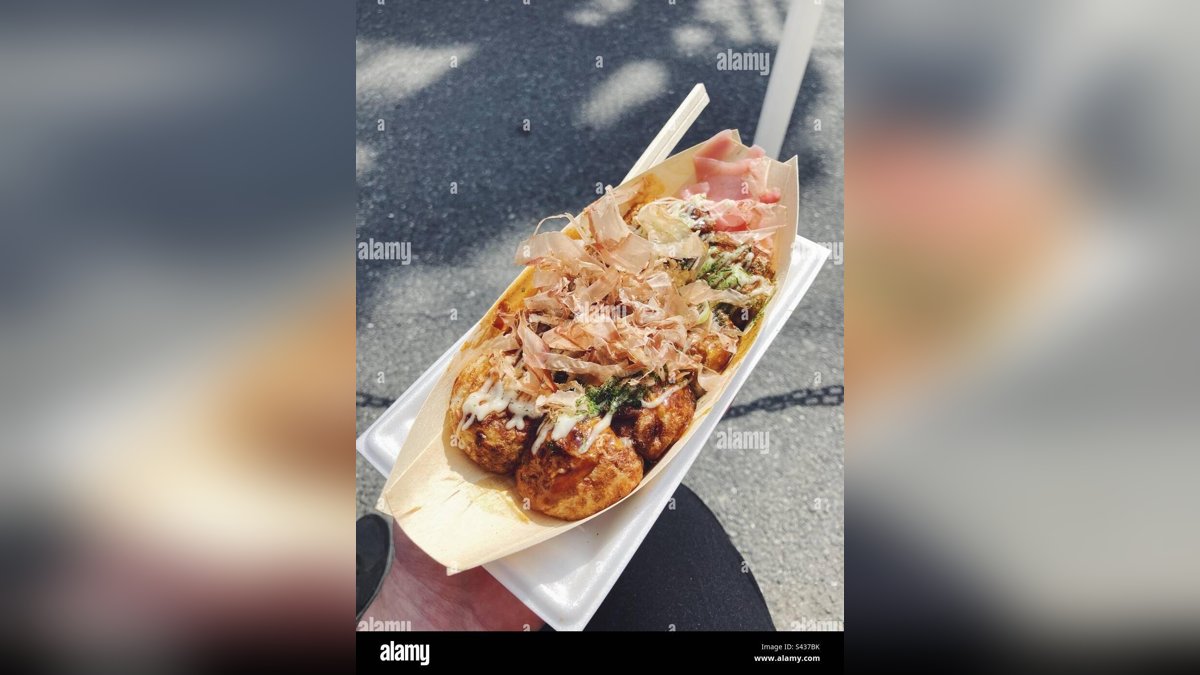
Perhaps the most mesmerizing element of takoyaki is the katsuobushi (bonito flakes) that seem to dance and writhe on top of the hot balls. Katsuobushi is made from skipjack tuna that has been fermented, smoked, and shaved into paper-thin flakes. When placed on a hot surface, the flakes curl and move due to the heat causing differential expansion of the fibers. This visual effect is not just for show--it signals that the takoyaki is fresh and hot.
The flavor of bonito flakes is intensely umami, with a smoky, slightly fishy profile that complements the octopus and batter. The flakes are typically applied just before serving, so they remain crisp and aromatic. A generous handful is standard, covering the entire surface of the takoyaki. As the flakes dance, they release a cloud of savory steam that hits your nose before you even take a bite. This sensory experience--visual, olfactory, and gustatory--is a hallmark of Osaka street food culture.
Beyond takoyaki, bonito flakes are a foundational ingredient in Japanese cuisine, used to make dashi, the backbone of miso soup, noodle broths, and simmered dishes. But in the context of takoyaki, they serve as the final flourish, transforming a simple snack into a theatrical performance. For the best experience, eat takoyaki within two minutes of being served, while the flakes are still dancing and the exterior is at its crispiest.
4. The Sauces and Toppings: Building the Perfect Flavor Profile
No takoyaki is complete without its signature sauce and toppings. The primary sauce is takoyaki sauce, a thick, sweet-savory condiment similar to Worcestershire sauce but with a fruitier, more complex flavor. It typically contains tomato paste, apple puree, vinegar, sugar, and a blend of spices. The sauce is brushed generously over the finished balls, adding a tangy, caramelized layer that balances the richness of the batter and mayonnaise.
Japanese mayonnaise, particularly Kewpie brand, is the second essential topping. Unlike American mayonnaise, Kewpie is made with only egg yolks (not whole eggs) and rice vinegar, giving it a richer, tangier, and creamier texture. It's drizzled in a zigzag pattern over the sauce, creating a beautiful contrast of dark and white. The combination of sweet sauce and tangy mayo is a classic flavor pairing that Japanese street food fans adore.
Additional toppings include aonori (green seaweed powder) for a subtle oceanic flavor, and sometimes a sprinkle of shichimi togarashi (seven-spice chili blend) for heat. Some modern variations add cheese, mochi, or even mentaiko (spicy cod roe). In Osaka, you'll also find soy sauce takoyaki, a simpler version that skips the sauce and mayo in favor of a light soy glaze. For the purist, the classic combination--sauce, mayo, aonori, and dancing bonito flakes--remains unbeatable.
5. How to Eat Takoyaki Like an Osaka Local
Eating takoyaki is an art form. The balls are served piping hot, often on a paper boat or small plate, with a wooden pick (yojiki) or toothpick. The first rule: never bite directly into a fresh takoyaki. The interior is molten hot and can burn your mouth. Instead, use the pick to cut the ball in half or take small, careful bites, allowing steam to escape. Many locals blow on each piece before eating.
The second rule: eat it immediately. Takoyaki's texture degrades rapidly--the crispy exterior softens within minutes as steam condenses inside. Street vendors in Osaka pride themselves on serving takoyaki that is hot enough to require caution. If you're ordering from a stall, stand nearby and eat it on the spot. Never ask for it to-go unless you're willing to accept a soggier experience.
Finally, pair your takoyaki with a cold beer or a bottle of ramune (Japanese soda). The carbonation cuts through the richness, and the slight bitterness of beer complements the sweet-savory sauce. In Osaka, takoyaki is often enjoyed as a tsumami (snack with alcohol) at standing bars or during festivals. For the full experience, visit Osaka's Dotonbori district, where neon-lit takoyaki stalls line the canal, and the air is thick with the aroma of sizzling batter and bonito flakes.