Fish and Chips: Britain's Crispy Deep
Jordan Myers
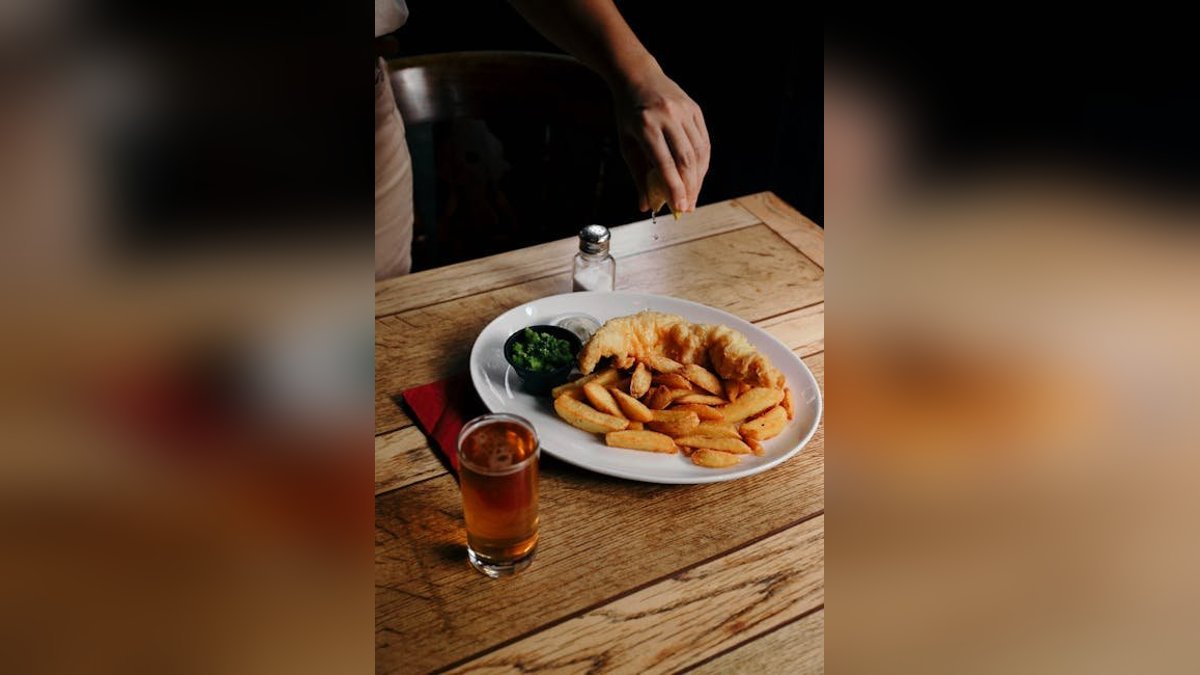
The Origins of a National Obsession
Fish and chips is more than a meal in Britain--it's a cultural institution. The dish emerged in the mid-19th century, with the first recorded fish and chip shop opening in London in 1860. The combination of fried fish, a tradition brought by Jewish immigrants from Portugal and Spain, and the humble potato chip, which likely originated in France or Belgium, created an affordable, filling meal that fueled the Industrial Revolution. By 1910, there were over 25,000 fish and chip shops across the UK, and during both World Wars, fish and chips were among the few foods not rationed, cementing their place in the national psyche.
Today, the UK consumes over 382 million portions of fish and chips annually, according to the National Federation of Fish Friers. That's roughly six portions per person per year. The dish remains a staple of coastal towns, where the freshest catch is fried to order, wrapped in paper, and eaten with a wooden fork while watching the waves. But the magic lies in the details: the batter must be light and crispy, the fish flaky and moist, and the chips thick and fluffy inside.
"The perfect fish and chips batter should be 30% thinner than pancake batter--it needs to cling to the fish without being doughy. A touch of beer or sparkling water adds carbonation for extra crispiness." -- Heston Blumenthal, chef and food scientist
The Science of the Perfect Batter
The batter is the defining element of great fish and chips. A classic batter uses a 1:1 ratio of flour to liquid by volume, but the type of liquid matters enormously. Many chippies use a mix of beer and water--the beer adds flavor, color, and carbon dioxide bubbles that create a light, airy texture when fried. The alcohol in beer also lowers the gluten formation, preventing a tough, rubbery coating. For a non-alcoholic version, sparkling water works similarly, though you lose the malty depth.
Temperature control is critical. The oil should be at 350°F (175°C) for cod or haddock, which are the most common fish used. The fish fillet should be patted dry before dipping--excess moisture creates steam that can cause the batter to separate. Fry for 6-8 minutes, depending on thickness, until the batter is deep golden and the fish reaches an internal temperature of 145°F (63°C). Let it drain on a wire rack, not paper towels, to keep the bottom from steaming and turning soggy.
Some regional variations exist: in the north of England, a thinner, crispier batter is preferred, while in London, a thicker, more doughy coating is common. The best fish and chip shops use beef dripping or lard for frying, which adds a savory richness that vegetable oil cannot replicate. However, for health-conscious home cooks, a high-smoke-point oil like peanut or canola works well.
Choosing the Right Fish: Cod vs. Haddock vs. Plaice
Cod is the gold standard for fish and chips. Its firm, white flesh holds up well to frying, and its mild flavor doesn't compete with the batter. Atlantic cod is preferred, but overfishing has made it more expensive and less sustainable. Look for line-caught or MSC-certified cod to ensure responsible sourcing. Haddock is a close second--slightly sweeter and flakier than cod, with a finer texture. In Scotland, haddock is the default choice, often served with a light dusting of flour instead of batter.
Plaice and sole are less common but excellent alternatives. They have a delicate, thin fillet that cooks quickly--about 3-4 minutes--and a subtle, sweet flavor. However, they are more expensive and less widely available. For a budget-friendly option, pollock or whiting work well, though they are less flavorful. The key is freshness: the fish should smell like the sea, not fishy. A good fishmonger will sell fillets that are firm, translucent, and free of discoloration.
Sustainability matters. According to the Marine Conservation Society, cod from the North Sea is rated as "fish to avoid" due to overfishing, while Pacific cod and line-caught Atlantic cod are better choices. Haddock from the North Sea is generally sustainable, as is pollock from Alaska. Always ask your fishmonger or check the label.
The Perfect Chips: Thick, Fluffy, and Twice-Fried
British chips are not French fries. They are thicker--typically 1/2 to 3/4 inch wide--and have a fluffy interior with a crisp exterior. The secret is double-frying. First, blanch the chips at 300°F (150°C) for 4-5 minutes until they are cooked through but not colored. Drain and cool completely. Then, fry again at 375°F (190°C) for 2-3 minutes until golden and crispy. This two-step process ensures the inside is soft and mealy while the outside shatters when bitten.
The potato variety matters. Maris Piper, King Edward, and Russet potatoes are ideal due to their high starch content, which creates a fluffy texture. Soak the cut chips in cold water for at least 30 minutes to remove excess starch, which helps prevent sticking and promotes even cooking. Dry them thoroughly before the first fry to avoid oil splatter. Season generously with salt immediately after the second fry, while the oil is still hot, so the salt adheres.
Some chippies add a touch of vinegar to the chips--malt vinegar is traditional, but white vinegar or even a splash of lemon juice works. The acidity cuts through the richness of the fried fish and adds brightness. For a modern twist, try sprinkling with smoked paprika or a pinch of cayenne for heat.
Classic Accompaniments: Mushy Peas, Tartar Sauce, and More
No fish and chips meal is complete without mushy peas. Made from dried marrowfat peas soaked overnight, then simmered with a pinch of sugar and salt until they break down into a thick, vibrant green puree, mushy peas provide a sweet, earthy counterpoint to the salty, fried fish. A dollop of mint sauce or a splash of vinegar can be added for extra zing. For a quick version, frozen peas can be used, but the texture will be less creamy.
Tartar sauce is another essential. A good tartar sauce is tangy, creamy, and studded with chopped gherkins, capers, and fresh parsley. Homemade is far superior to store-bought: mix 1/2 cup mayonnaise, 2 tablespoons finely chopped cornichons, 1 tablespoon capers, 1 tablespoon lemon juice, and 1 teaspoon Dijon mustard. Let it sit for 30 minutes to allow the flavors to meld. Some variations add chopped hard-boiled egg or a dash of Worcestershire sauce.
Other popular sides include curry sauce--a mild, gravy-like sauce with curry powder and onions--and pickled onions or eggs. In the north of England, a "chip butty" (a sandwich of chips on buttered white bread) is a common way to use leftovers. And of course, a sprinkle of salt and a splash of malt vinegar are non-negotiable for purists.
How to Eat Fish and Chips Like a Local
In a traditional chippy, fish and chips are served wrapped in paper--usually a double layer of white paper to absorb grease, then a sheet of newspaper-style paper on the outside. The paper helps keep the food hot and allows steam to escape, preserving crispiness. Eat immediately, standing outside the shop or on a nearby bench. Use a wooden fork, or simply tear off pieces with your hands. The ritual is part of the experience.
If you're eating at home, transfer the fish and chips to a wire rack in a warm oven (200°F) for up to 10 minutes to keep them crisp while you prepare the sides. Never microwave leftovers--the batter will turn soggy. Instead, reheat in a 400°F oven for 5-7 minutes, or in an air fryer at 375°F for 3-4 minutes. Leftover chips can be chopped and pan-fried with onions and eggs for a quick "chips hash."
Finally, remember that fish and chips is a democratic dish. It's equally at home on a seaside pier, in a gastropub, or in a Michelin-starred restaurant. The best versions respect the tradition while embracing quality ingredients and technique. if you're a first-timer or a lifelong fan, there's always something new to discover in this humble, glorious plate of food.