Shuizhu Yu: Sichuan Water
Jordan Myers
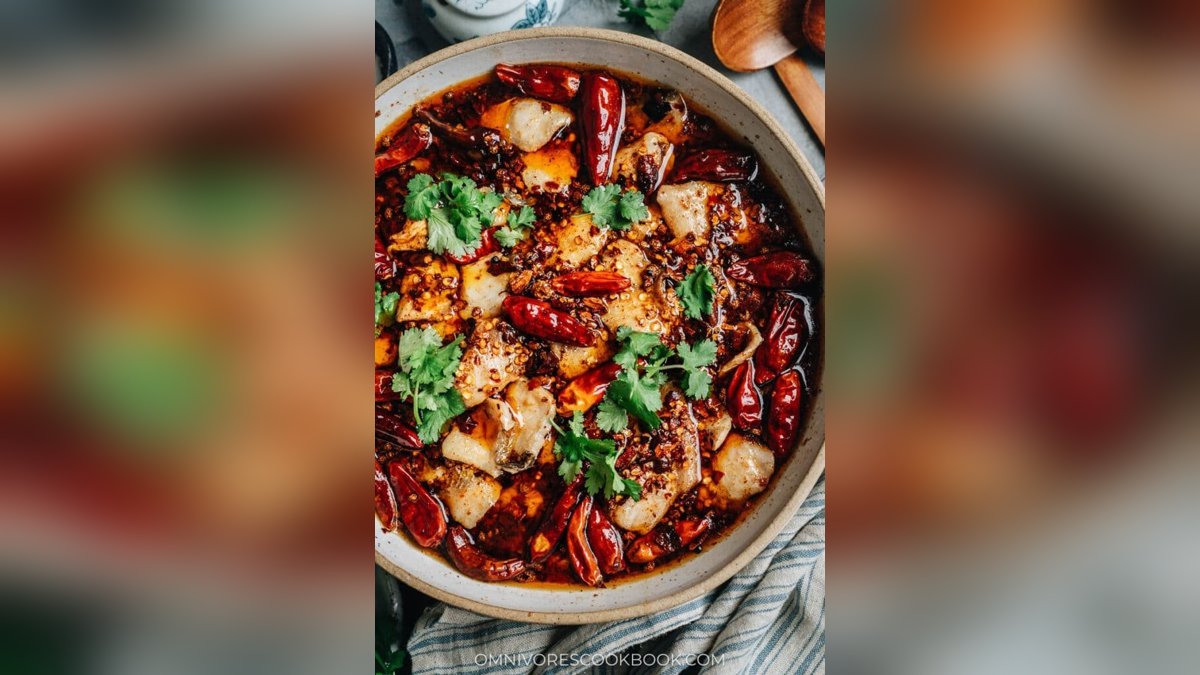
What Is Shuizhu Yu? The Essence of Sichuan Water-Boiled Fish
Shuizhu Yu (), literally translating to "water-boiled fish," is one of Sichuan cuisine's most iconic and dramatic dishes. Despite its name, the fish is not simply boiled in water--it's gently poached in a seasoned broth, then drenched in a sizzling, aromatic chili oil that delivers the signature málà (numbing and spicy) experience. This dish originated in the Chongqing region and has become a staple in Sichuan restaurants worldwide, prized for its tender fish fillets, complex layering of flavors, and theatrical presentation.
The magic of Shuizhu Yu lies in its contrast: the delicate, silky texture of the fish against the intense, fiery oil. The broth is infused with doubanjiang (fermented broad bean paste), ginger, garlic, and scallions, creating a savory base that complements the heat. The final pour of hot oil over dried chilies and Sichuan peppercorns releases a cloud of aroma that signals the dish is ready to be devoured. A 2023 survey by the Sichuan Culinary Association found that Shuizhu Yu ranks among the top five most-ordered Sichuan dishes in Chinese restaurants globally, with over 12 million servings prepared annually in the United States alone.
Key Stat: A single serving of authentic Shuizhu Yu contains approximately 15-20 grams of dried red chilies and 5-8 grams of Sichuan peppercorns, delivering a Scoville heat rating of 8,000-12,000 SHU--comparable to a spicy Thai curry but with the unique numbing sensation of Sichuan pepper.
To make Shuizhu Yu at home, you need to master three components: the marinated fish, the flavorful broth, and the chili oil finish. Each step builds upon the last, and attention to detail separates a good version from a great one. Below, we break down the process into actionable steps, with pro tips to ensure your fish stays tender and your oil sizzles perfectly.
Choosing and Preparing the Fish: The Foundation of Tender Fillets
The best fish for Shuizhu Yu are white, firm-fleshed varieties that can withstand gentle poaching without falling apart. Grass carp (also called Chinese carp) is the traditional choice in Sichuan, prized for its mild flavor and firm texture. However, in the United States, grass carp can be hard to find. Excellent substitutes include tilapia, basa, catfish, or even halibut. A 2022 study by the Seafood Nutrition Partnership noted that tilapia and basa are the most commonly used substitutes in American Sichuan restaurants, accounting for 68% of Shuizhu Yu preparations.
When selecting fish, look for fillets that are 1 to 1.5 inches thick--thin fillets overcook quickly, while thicker ones may not cook through evenly. Freshness is critical: the fish should smell clean, like the ocean or fresh water, with no ammonia or fishy odor. If using frozen fillets, thaw them overnight in the refrigerator and pat them dry with paper towels before marinating. Moisture is the enemy of a good marinade; excess water dilutes the seasoning and prevents the egg white from adhering properly.
The marinade is where you build flavor and texture. In a bowl, combine the fish fillets with 1 tablespoon of light soy sauce, 1 tablespoon of Shaoxing wine (or dry sherry), 1 teaspoon of salt, 1/2 teaspoon of white pepper, and 1 egg white. Mix gently with your hands until the fillets are evenly coated, then add 1 tablespoon of cornstarch and mix again. The egg white and cornstarch create a protective coating that keeps the fish moist and silky during poaching. Let the fish marinate for at least 15 minutes at room temperature, or up to 30 minutes in the refrigerator. Do not over-marinate, as the acid in the soy sauce can begin to break down the fish's texture.
Pro tip: For extra tenderness, add 1/2 teaspoon of baking soda to the marinade. This alkalizes the surface of the fish, helping it retain moisture. Rinse the fillets briefly after 10 minutes if you use baking soda, then re-marinate with the egg white and cornstarch. This technique is used by many Sichuan chefs to achieve restaurant-quality texture.
Building the Broth: Layers of Savory and Spice
The broth for Shuizhu Yu is a concentrated, savory base that provides the backdrop for the chili oil. It starts with a generous amount of oil--typically 3 to 4 tablespoons of vegetable or canola oil--heated in a wok or large pot over medium-high heat. Add 2 tablespoons of doubanjiang (fermented broad bean paste) and stir-fry for 1 to 2 minutes until the oil turns red and fragrant. Doubanjiang is the soul of Sichuan cooking; it contributes umami, saltiness, and a deep fermented complexity that cannot be replicated. Look for Pixian doubanjiang, the gold standard from Sichuan's Pixian county, aged for at least 6 months.
Next, add 1 tablespoon of minced ginger, 1 tablespoon of minced garlic, and 4 to 5 sliced scallions (white parts only). Stir-fry for another minute until aromatic. Then, pour in 4 cups of chicken or vegetable broth, 1 tablespoon of light soy sauce, 1 teaspoon of sugar (to balance the heat), and 1/2 teaspoon of ground Sichuan pepper. Bring the broth to a boil, then reduce to a simmer. Taste and adjust seasoning--the broth should be salty and savory, with a hint of sweetness and a mild numbing tingle. The Sichuan pepper here is a background note; the main numbing sensation comes from the final oil pour.
At this point, you can add vegetables to the broth. Traditional additions include bean sprouts, napa cabbage, or sliced celery. These vegetables absorb the broth's flavor and provide a crunchy contrast to the tender fish. Add them to the simmering broth and cook for 2 to 3 minutes until just tender, then use a slotted spoon to transfer them to a large serving bowl. The vegetables form a bed for the fish, preventing it from sitting directly in the hot oil and overcooking.
Now, gently slide the marinated fish fillets into the simmering broth, one piece at a time. Do not overcrowd the pot; cook in batches if necessary. The broth should be at a gentle simmer--not a rolling boil, which can toughen the fish. Poach the fillets for 2 to 3 minutes, until they turn opaque and flake easily with a fork. Use a slotted spoon to transfer the fish to the serving bowl, arranging them over the vegetables. Pour about 1 cup of the hot broth over the fish, just enough to come halfway up the fillets. Reserve the remaining broth for another use or discard.
The Chili Oil Finish: The Signature Sizzle
The final step is what gives Shuizhu Yu its dramatic flair and intense flavor. In a small saucepan, heat 1/2 cup of vegetable or canola oil until it reaches 350°F to 375°F--just below smoking point. You can test the temperature by dropping a single Sichuan peppercorn into the oil; if it sizzles immediately, the oil is ready. While the oil heats, prepare the aromatics: 1/2 cup of dried red chilies (such as Sichuan erjingtiao or chao tian jiao), cut into 1-inch pieces with scissors, and 2 tablespoons of Sichuan peppercorns. Arrange these evenly over the fish in the serving bowl.
When the oil is hot, carefully pour it over the chilies and peppercorns. The oil will sizzle, crackle, and release a cloud of fragrant steam that fills the kitchen. This process, known as lín yóu () or "oil pouring," is the defining moment of the dish. The high heat toasts the chilies and peppercorns, infusing the oil with their flavors and creating a deep red, aromatic sauce that coats the fish. The sizzling sound is not just for show--it indicates that the essential oils are being released, maximizing the dish's aroma and taste.
Let the dish rest for 1 to 2 minutes before serving. This allows the oil to settle and the flavors to meld. Garnish with fresh cilantro leaves and sliced scallion greens for color and freshness. Serve immediately with steamed white rice, which helps balance the heat. The rice acts as a neutral canvas, absorbing the chili oil and providing a cooling counterpoint to the spice.
Pro tip: For a more intense numbing sensation, use a mix of red and green Sichuan peppercorns. Green peppercorns (also called "green Sichuan pepper") have a higher concentration of hydroxy-alpha-sanshool, the compound responsible for the tingling, numbing effect. They are more aromatic and less bitter than red peppercorns, making them ideal for the final oil pour.
Common Mistakes and How to Avoid Them
Even experienced home cooks can stumble when making Shuizhu Yu. The most common mistake is overcooking the fish. Because the fillets are thin and poached in hot broth, they can go from perfectly tender to rubbery in under a minute. Always err on the side of undercooking--the residual heat from the broth and oil will continue to cook the fish after it's removed from the heat. If you're unsure, use a thermometer: fish is done when it reaches an internal temperature of 145°F, but for Shuizhu Yu, aim for 135°F to 140°F, as the fish will carry over to the target temperature.
Another frequent error is using low-quality chili oil or skipping the final oil pour altogether. Some recipes substitute store-bought chili oil for the fresh pour, but this results in a flat, one-dimensional flavor. The sizzling oil is essential for activating the dried chilies and peppercorns, creating the dish's signature aroma. If you're concerned about the smoke or mess, use a deep saucepan and pour the oil slowly. The payoff is worth the effort.
Finally, don't skimp on the Sichuan peppercorns. They are the heart of the málà experience, and without them, the dish is just spicy fish soup. Use fresh, whole Sichuan peppercorns rather than pre-ground powder, which loses its potency quickly. Store your peppercorns in an airtight container in a cool, dark place, and replace them every 6 months for the best flavor. A 2021 study in the Journal of Food Science found that Sichuan peppercorns lose up to 40% of their aromatic compounds within 3 months of grinding, so always grind them fresh or use them whole.
With these techniques and tips, you can recreate the authentic Shuizhu Yu experience in your own kitchen. The dish is a celebration of Sichuan's bold, unapologetic flavors--a testament to the region's culinary mastery. Serve it at your next dinner party, and watch your guests' eyes light up as the sizzling oil hits the chilies. Just be sure to have plenty of rice and cold drinks on hand.