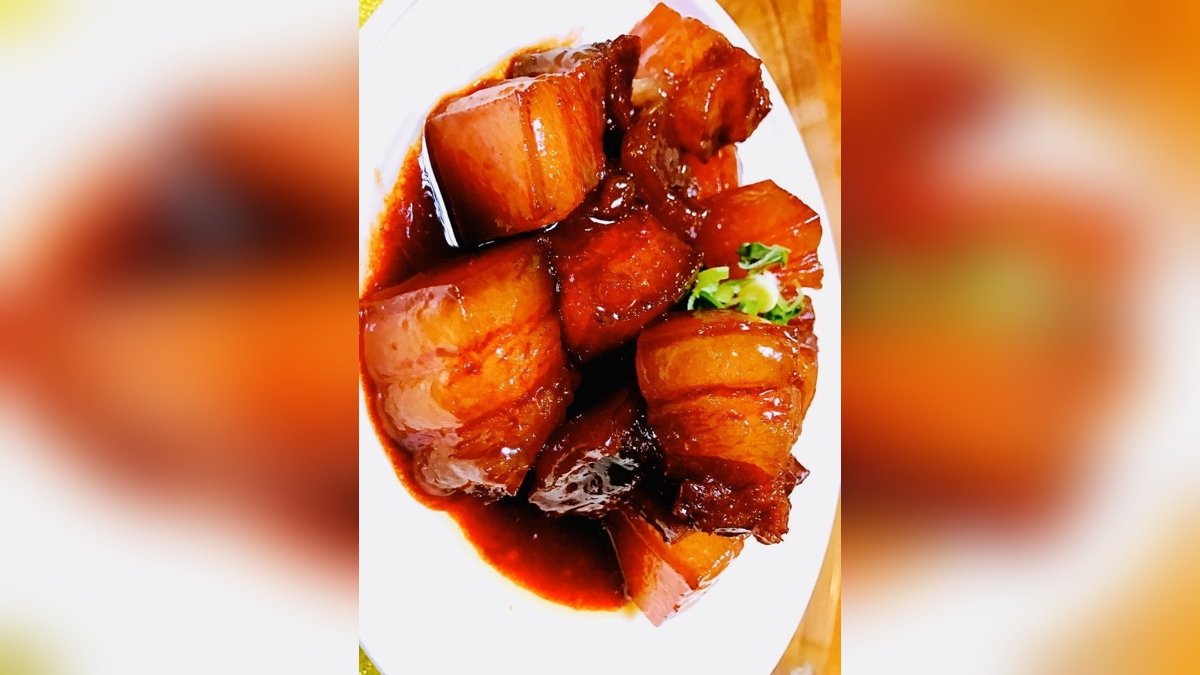
The Legend Behind the Dish: Chairman Mao's Culinary Obsession
Red braised pork belly, known in Mandarin as hong shao rou (), is far more than a simple Chinese comfort dish. It is a plate of history, politics, and deep regional pride. For Chairman Mao Zedong, this unctuous, caramelized pork belly was his undisputed favorite meal--a taste of his Hunan and Jiangsu roots that he craved throughout his life. Mao's personal chefs have recounted that he requested red braised pork belly at nearly every state banquet, believing the rich protein and fat gave him the energy to lead the revolution. The dish's deep mahogany color, achieved through a careful caramelization of sugar and soy sauce, mirrors the intensity of Mao's own legacy.
While many associate the dish with Hunan province (Mao's birthplace), the version he loved most was actually perfected in Jiangsu, particularly in the city of Shaoxing. Jiangsu cuisine, known for its refined techniques and balance of sweet and savory, elevates the humble pork belly into a culinary masterpiece. The slow-braising process, often lasting two to three hours, transforms tough pork belly into fork-tender morsels that melt on the tongue. Mao's preference for this dish was so well-known that during the Cultural Revolution, restaurants across China were instructed to keep it on their menus as a sign of loyalty.
According to Mao's personal chef, Cheng Ruliang, the Chairman ate red braised pork belly at least twice a week, often requesting extra fatty pieces for 'brain energy.' The dish was served at the historic 1949 founding banquet.
Today, red braised pork belly remains a symbol of Chinese culinary heritage, bridging the gap between imperial banquet food and everyday home cooking. Its popularity has spread globally, with food enthusiasts seeking out the authentic Jiangsu technique that Mao adored. Understanding the history behind this dish adds a layer of appreciation for every bite.
Essential Ingredients: The Building Blocks of Perfect Hong Shao Rou
The magic of red braised pork belly lies in its deceptively simple ingredient list. Unlike many Western braised dishes that rely on a mirepoix or complex spice blends, hong shao rou achieves its depth through just a handful of pantry staples. The star ingredient is, of course, pork belly--specifically, a cut with a perfect 50/50 ratio of meat to fat. The skin-on belly is preferred, as the collagen-rich skin breaks down during braising, creating a silky, gelatinous texture that coats the tongue. When selecting pork belly for this dish, look for pieces with even layers and bright pink meat.
The sauce is built on four key components: light soy sauce, dark soy sauce, Shaoxing wine, and rock sugar. Light soy sauce provides salinity and umami, while dark soy sauce contributes the signature deep red color and a hint of molasses-like sweetness. Shaoxing wine, a fermented rice wine from Zhejiang province, adds complexity and helps tenderize the meat. Rock sugar (bing tang) is non-negotiable--its slow dissolution creates a glossy, caramelized coating that granulated sugar cannot replicate. Aromatics like ginger, scallions, star anise, and cinnamon stick round out the flavor profile, infusing the pork with warm, fragrant notes.
Many home cooks make the mistake of rushing the caramelization step. The sugar must be melted over low heat until it turns a deep amber color--just short of burning. This caramelized sugar is the foundation of the dish's complexity, adding a bittersweet undertone that balances the richness of the pork. Some regional variations include dried chili peppers for heat or a splash of vinegar for acidity, but the classic Jiangsu version remains pure and unadulterated. For the most authentic result, source your ingredients from an Asian grocery store, where you can find premium dark soy sauce and Shaoxing wine.
Step-by-Step Cooking Technique: From Stovetop to Table
Mastering red braised pork belly requires patience and attention to detail, but the process is surprisingly straightforward. Begin by cutting the pork belly into 1.5-inch cubes. Blanch the cubes in boiling water for 3-4 minutes to remove impurities and excess fat. This step is crucial--skipping it results in a greasy, cloudy sauce. After blanching, rinse the pork under cold water and pat dry. In a heavy-bottomed pot or wok, heat a tablespoon of oil over medium heat and sear the pork cubes until golden brown on all sides. This Maillard reaction adds a nutty depth that enhances the final dish.
Remove the pork and set aside. In the same pot, add rock sugar and a tablespoon of oil. Stir constantly over low heat until the sugar melts and turns a deep amber color--about 3-4 minutes. Immediately return the pork to the pot and toss to coat each piece in the caramel. Add sliced ginger, scallion whites, star anise, and a cinnamon stick. Pour in two tablespoons of Shaoxing wine, one tablespoon of light soy sauce, and one tablespoon of dark soy sauce. Stir until the pork is evenly colored. Add enough hot water to barely cover the pork--about 2 cups. Bring to a boil, then reduce to a gentle simmer.
Cover the pot and let it braise for 1.5 to 2 hours, checking occasionally and adding more hot water if the liquid reduces too much. The pork is ready when a chopstick easily pierces the skin and the meat is tender. In the final 15 minutes, remove the lid and increase the heat to reduce the sauce until it thickens to a syrupy glaze that clings to the pork. Taste and adjust seasoning--you may want a pinch of salt or an extra splash of soy sauce. Serve the pork belly over steamed white rice, garnished with chopped scallions. The rice is essential for soaking up the rich, savory-sweet sauce.
Regional Variations: Jiangsu vs. Hunan vs. Shanghai Styles
While Chairman Mao's favorite version hails from Jiangsu, red braised pork belly varies significantly across China. The Jiangsu style, also known as Su-style, emphasizes a balanced sweet-savory profile with a lighter hand on soy sauce. The sauce is thinner and more refined, allowing the natural flavor of the pork to shine. This version often includes a touch of sugar and less dark soy, resulting in a reddish-brown hue rather than the deep black of other styles. Jiangsu chefs also tend to braise the pork for a shorter time, preserving a slight chewiness in the meat.
In contrast, the Hunan style--Mao's provincial origin--is bolder and spicier. Hunan cooks add dried red chilies and fermented black beans (douchi) to the braising liquid, creating a fiery, umami-packed version that reflects the region's love for heat. The sauce is darker and thicker, almost like a glaze, and the pork is cooked until it falls apart. Shanghai-style hong shao rou, perhaps the most famous internationally, is the sweetest of all. Shanghai cooks use more rock sugar and dark soy sauce, producing a glossy, almost black exterior. The dish is often served cold as a appetizer or at room temperature, allowing the gelatinized sauce to set into a jelly-like coating.
Each regional variation tells a story of local ingredients and cultural preferences. For home cooks, experimenting with these styles is a way to explore China's diverse culinary landscape. If you prefer a milder, more elegant dish, stick with the Jiangsu method. For a punchier, more rustic experience, try the Hunan version. And if you crave sweetness and visual drama, the Shanghai style will not disappoint. Regardless of the variation, the core technique of slow braising remains the same, ensuring a deeply satisfying result every time.
Pairing and Serving Suggestions: The Complete Jiangsu Experience
Red braised pork belly is a rich, indulgent dish that demands thoughtful accompaniments. The classic pairing is steamed jasmine rice, whose neutral flavor and fluffy texture provide the perfect canvas for the pork's intense sauce. For a more traditional Jiangsu meal, serve the pork alongside simple stir-fried greens like bok choy or gai lan (Chinese broccoli) with garlic. The slight bitterness of the greens cuts through the pork's fattiness, creating a harmonious balance. A bowl of clear broth soup, such as winter melon soup or egg drop soup, adds a light, refreshing element to the meal.
When it comes to beverages, the dish's sweetness and umami call for drinks that can stand up to its intensity. A medium-bodied red wine like a Chinese Cabernet Sauvignon or a fruity Zinfandel complements the caramelized notes. For beer lovers, a crisp lager or a Belgian dubbel works well. Tea is the most authentic choice--a strong oolong or a smoky Lapsang Souchong echoes the dish's aromatic spices. If you're serving this at a dinner party, consider a family-style presentation: place the pot of pork belly in the center of the table with a large spoon, allowing guests to help themselves over rice.
Leftovers are a gift--the flavors deepen overnight, making the dish even more delicious the next day. Store the pork belly in its sauce in an airtight container in the refrigerator for up to five days. Reheat gently on the stovetop or in a microwave, adding a splash of water if the sauce has thickened too much. You can also repurpose leftover hong shao rou by shredding the meat and stuffing it into steamed buns (baozi) or using it as a filling for noodles. This versatility is one reason why red braised pork belly has remained a beloved comfort dish for generations, from Chairman Mao's table to yours.