The Origins of Chuan'r: From Xinjiang to Beijing's Hutong Alleys
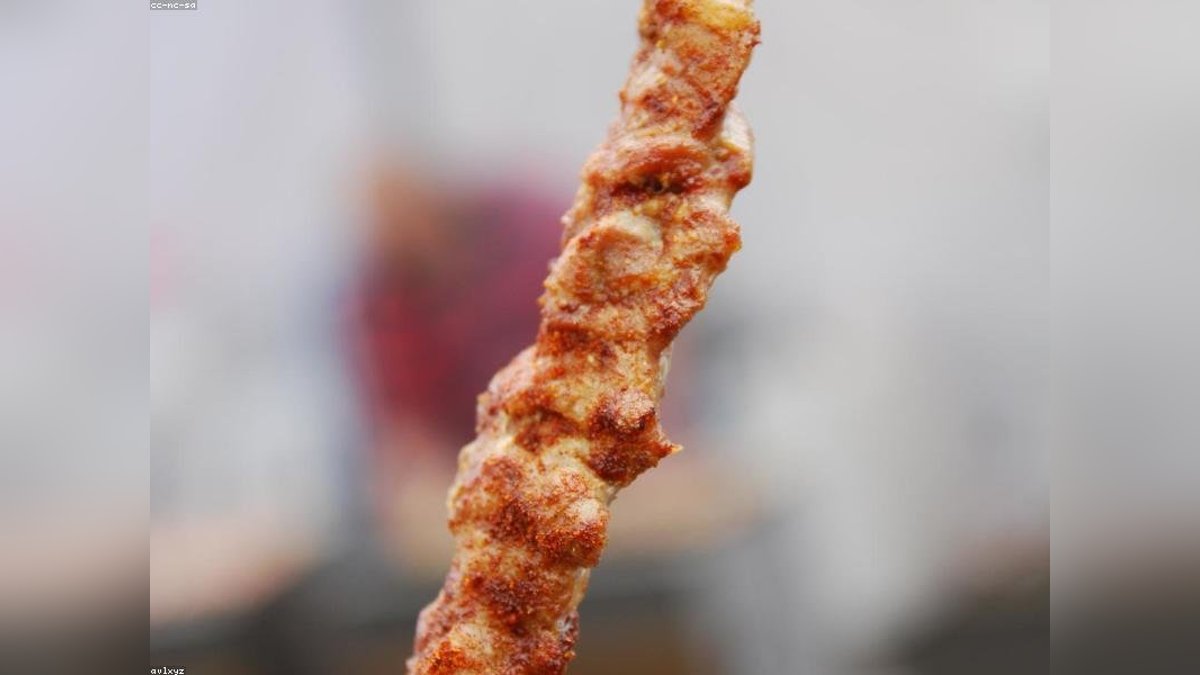
Chuan'r (), the beloved cumin-spiced lamb skewers grilled over charcoal, is more than just street food--it's a cultural institution in Beijing. The dish traces its roots to the Uyghur Muslim communities of Xinjiang in northwestern China, where lamb is a dietary staple and skewering meat over open fire is an ancient tradition. In the 1980s and 1990s, as internal migration surged, Uyghur vendors brought their grilling techniques to Beijing, setting up makeshift stalls in hutong alleyways. The aroma of cumin and charred lamb quickly captivated locals, and Chuan'r became a defining snack of the capital's night market scene.
What makes Beijing's Chuan'r distinct is the aggressive seasoning. While Xinjiang versions rely on salt and minimal spices to highlight the lamb's natural flavor, Beijing's adaptation is a bold fusion: a heavy hand of ground cumin (, ziran), dried chili flakes, and sometimes a secret blend of star anise, Sichuan peppercorn, and fennel seeds. The skewers are typically made from fatty cuts like lamb shoulder or leg, with a ratio of about 30% fat to 70% lean meat. This fat renders over the charcoal, basting the meat and creating a crispy, smoky exterior while keeping the interior juicy.
Key Stat: A single Chuan'r vendor in Beijing's famous Guijie (Ghost Street) can sell over 2,000 skewers per night during peak summer season, with each skewer containing roughly 4-5 pieces of lamb.
The Art of the Charcoal Grill: Why Fire Matters
The soul of Chuan'r lies in the cooking method. Authentic vendors insist on using tanhuo (charcoal fire) made from fruitwood or hardwood, never gas or electric grills. The charcoal is burned down to a white-hot ember state before the skewers hit the grate. This provides intense, even heat that sears the meat quickly, locking in juices while imparting a subtle smokiness that no gas flame can replicate. The ideal grill temperature is around 500-600°F (260-315°C), which chars the exterior in about 2-3 minutes per side.
Timing is everything. A skilled Chuan'r chef rotates the skewers constantly, fanning the coals to control flare-ups from dripping fat. The lamb is cooked to a medium-well doneness--pink at the center is rare in Chinese street food culture, as customers prefer a fully cooked but still tender bite. The total grilling time is typically 6-8 minutes for a standard skewer. During the last minute, the chef sprinkles a final dusting of cumin and chili powder, allowing the spices to toast slightly on the hot meat without burning.
For home cooks, replicating this requires a charcoal grill (a Weber kettle works well) and high-quality lamb. Avoid gas grills--they lack the radiant heat and smoke profile. Use flat metal skewers (not bamboo) to conduct heat into the meat's core. Soak bamboo skewers if you must use them, but metal is superior for even cooking.
Deconstructing the Seasoning: Cumin, Chili, and the Secret Spice Blend
The hallmark of Beijing-style Chuan'r is the cumin-chili duo, but the best vendors have a proprietary spice mix that elevates the skewers. The base is always freshly ground cumin seeds--pre-ground cumin loses volatile oils and tastes flat. Chili flakes are typically from the erjingtiao or chaotianjiao varieties, providing moderate heat (15,000-30,000 Scoville units) with a fruity undertone. Some vendors add a pinch of MSG (monosodium glutamate) to enhance umami, though purists skip it.
A typical spice blend for 1 kg of lamb skewers includes: 3 tablespoons ground cumin, 2 tablespoons chili flakes, 1 tablespoon Sichuan peppercorn powder (for a mild numbing effect), 1 teaspoon white pepper, 1 teaspoon five-spice powder, and 1 tablespoon salt. The lamb is not marinated beforehand--the spices are applied only during and after grilling. This is a critical distinction from other Chinese BBQ styles (like shaokao), which often use wet marinades. Dry-spicing ensures the meat's surface stays crisp and the spices don't steam.
For the adventurous, some vendors offer a "double-spice" option: a light dusting halfway through grilling, then a heavy final coating. This creates layers of flavor--the first application caramelizes, the second stays fresh and aromatic. Ask for jiaola (more spicy) or shaola (less spicy) to customize your heat level.
Where to Find the Best Chuan'r in Beijing: A Street-Level Guide
Beijing's Chuan'r scene is decentralized, but certain neighborhoods are legendary. Guijie (Ghost Street) near Dongzhimen is the most famous, with dozens of restaurants and stalls lining the 1.5-kilometer stretch. Here, you'll find both sit-down BBQ joints and sidewalk vendors. The best stalls have a visible charcoal fire and a queue of locals--tourist-heavy spots often pre-cook skewers and reheat them, which ruins the texture.
Wangfujing Night Market is another hotspot, though it's more tourist-oriented. For a more authentic experience, head to Haidian District's Wudaokou area, popular with university students. Vendors here are cheaper (around 3-5 RMB per skewer vs. 8-10 RMB in tourist zones) and often use higher-quality lamb. Niujie (Ox Street) in the Muslim Quarter offers halal-certified Chuan'r, with lamb sourced from Inner Mongolia. The meat here is grass-fed and gamier, which pairs beautifully with cumin.
Pro tip: Look for vendors who display whole lamb cuts and skewer them on-site. Pre-skewered meat sitting in trays is a red flag--it may be older or mixed with cheaper cuts. Also, check the charcoal: if you see black smoke or flames, the coals aren't ready. Proper embers produce a thin, blue smoke.
How to Eat Chuan'r Like a Beijing Local: Dipping, Pairing, and Etiquette
Chuan'r is a hands-on experience. Hold the skewer by the handle (the bare metal end) and pull the meat off with your teeth in one clean motion. Avoid biting halfway through a piece--it's considered messy. The fat cap is the prize; don't discard it. Many locals dip the meat into a small dish of zi ran (cumin) and chili powder for extra punch, though purists eat it as-is.
The classic pairing is iced Yanjing Beer (Beijing's local lager), which cuts through the fat and spice. For non-alcoholic options, try suanmeitang (sour plum juice) or wanglaoji herbal tea. A side of bing tang hulu (candied hawthorn skewers) provides a sweet-tart palate cleanser between rounds. Expect to eat 10-20 skewers per person as a snack, or 30-40 for a full meal.
Etiquette: Never ask for a fork or knife. Use the provided paper napkins to wipe your hands. If you're at a stall, pay after eating--the vendor counts the skewers by the bamboo sticks left on your table. Tipping is not customary. And always say "zai lai shi chuan" () for "ten more skewers"--it's the universal language of satisfaction.