Mao Doufu: Anhui's Hairy Tofu Fermented Delicacy Guide
Jordan Myers
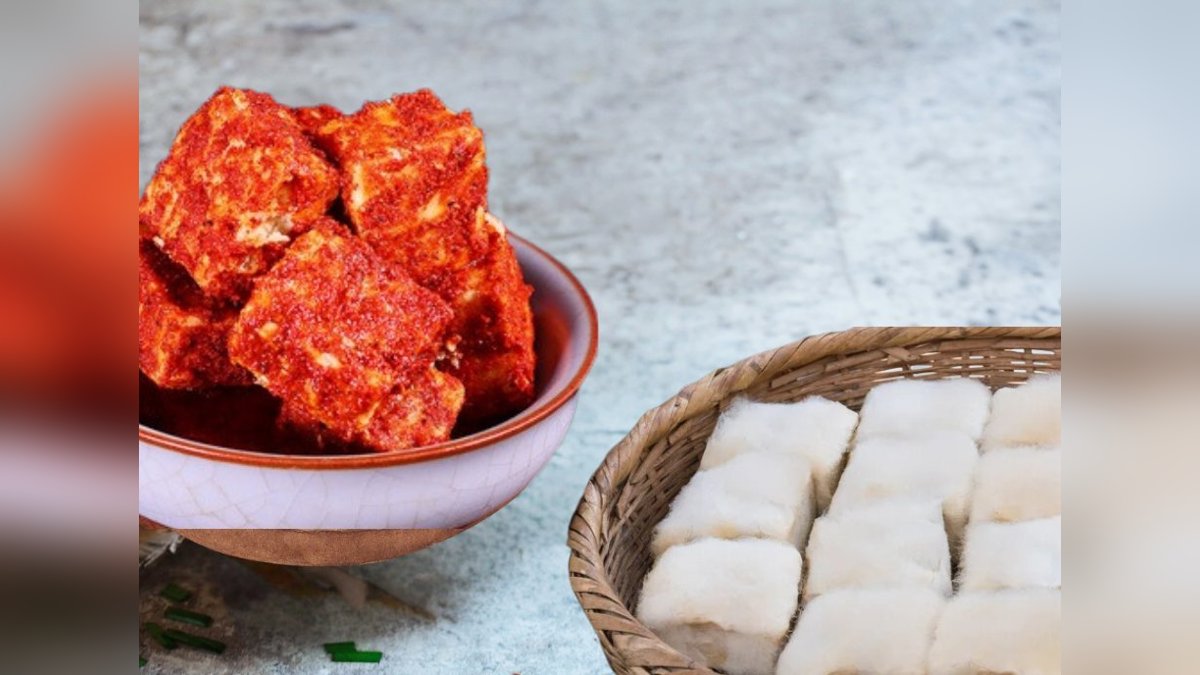
What Is Mao Doufu? The Origins of Anhui's Hairy Tofu
Mao Doufu, literally translating to "hairy tofu," is one of China's most distinctive fermented foods. Originating from the mountainous regions of Anhui Province, this delicacy has been produced for centuries using traditional methods passed down through generations. Unlike the more widely known stinky tofu (chòu dòufu), Mao Doufu develops a striking white, fuzzy mold covering its surface during fermentation, giving it a appearance that is both intriguing and intimidating to first-time observers.
The history of Mao Doufu dates back to the Qing Dynasty, when it was created as a method of preserving tofu in the humid mountain climate of Anhui. Local farmers discovered that allowing tofu to ferment naturally with specific mold cultures not only extended its shelf life but also transformed its texture and flavor into something extraordinary. Today, it remains a beloved specialty in cities like Huangshan and Tunxi, where it is often served as an appetizer or side dish in local restaurants.
Key Stat: Mao Doufu typically ferments for 3-7 days at temperatures between 15-20°C (59-68°F), during which the mold Mucor species creates a dense, white mycelium layer that can reach up to 1 cm in thickness.
The fermentation process is what sets Mao Doufu apart from other tofu products. The tofu blocks are first cut into uniform cubes, then inoculated with Mucor mold spores, either naturally from the environment or from a starter culture. They are then placed in a controlled environment with high humidity and moderate temperature. Over the course of several days, the mold grows into a thick, cotton-like coating that completely envelops each piece. This mold is not only safe to eat but is essential for developing the complex umami flavors that characterize the final product.
The Unique Flavor Profile: What Does Hairy Tofu Taste Like?
Describing the taste of Mao Doufu is challenging because it offers a sensory experience unlike any other food. The flavor is deeply savory with pronounced umami notes, similar to aged cheeses like Camembert or Brie, but with distinct Asian fermentation characteristics. The initial taste is mild and creamy, followed by a subtle earthiness and a slight tanginess from the fermentation process. Some varieties have a gentle sweetness that balances the savory elements.
The texture is equally unique. When properly fermented, the interior of the tofu becomes soft and custard-like, almost melting on the tongue. The outer mold layer, while visually striking, is thin and dissolves easily when cooked or eaten raw. The overall mouthfeel is smooth and rich, with a consistency that falls somewhere between soft cheese and silken tofu. Unlike stinky tofu, which has a pungent, almost offensive odor, Mao Doufu has a milder, more nuanced aroma that some describe as mushroom-like or yeasty.
Regional variations exist within Anhui itself. In the Huangshan area, the tofu is often fermented longer for a stronger flavor, while in Tunxi, a shorter fermentation yields a milder product. Some producers add salt, rice wine, or spices to the fermentation mix, creating subtle flavor differences. The best Mao Doufu achieves a perfect balance between the creamy interior and the slightly firmer, mold-covered exterior, with no bitterness or off-putting aftertaste.
How to Cook and Serve Mao Doufu: Traditional Anhui Recipes
Mao Doufu is incredibly versatile in the kitchen. The most traditional way to enjoy it is simply steamed, which allows the pure flavor of the fermented tofu to shine. To prepare, place the hairy tofu blocks in a heatproof dish, drizzle with a little sesame oil, and steam for 8-10 minutes until heated through. Serve immediately with a dipping sauce made from soy sauce, black vinegar, minced garlic, and chopped chili peppers. This preparation is a staple in Anhui home cooking and local restaurants.
Another popular method is pan-frying. Cut the Mao Doufu into slices about 1 cm thick, then fry in a non-stick pan with a small amount of oil over medium heat. Cook for 3-4 minutes per side until golden brown and crispy on the outside while remaining soft inside. The contrast between the crispy exterior and the creamy interior is absolutely delightful. Serve with a simple soy-vinegar dip or as part of a larger meal with steamed rice and stir-fried greens.
For the more adventurous cook, Mao Doufu can be incorporated into hot pot or braised dishes. In Anhui, it is sometimes added to pork belly braises or chicken stews, where it absorbs the rich cooking liquids while contributing its own umami depth. The tofu holds its shape well during cooking, making it suitable for soups and one-pot meals. Some modern chefs have even experimented with using Mao Doufu in fusion dishes, such as hairy tofu tacos or as a topping for rice bowls, though purists prefer the traditional preparations.
Health Benefits and Nutritional Value of Fermented Tofu
Fermented foods have gained significant attention in recent years for their potential health benefits, and Mao Doufu is no exception. The fermentation process breaks down complex proteins into smaller peptides and amino acids, making the nutrients more bioavailable. This means your body can absorb the protein and minerals from Mao Doufu more efficiently than from unfermented tofu. A 100-gram serving of Mao Doufu contains approximately 8-10 grams of protein, along with calcium, iron, and B vitamins.
The Mucor mold used in fermentation also produces enzymes that can aid digestion. These enzymes help break down lactose, gluten, and other difficult-to-digest compounds, which is why some people with mild lactose intolerance find they can tolerate Mao Doufu better than dairy products. Additionally, the fermentation process generates beneficial bacteria and yeast that may support gut health, though the high salt content in some preparations means it should be consumed in moderation.
It's worth noting that Mao Doufu is naturally low in calories and contains no cholesterol, making it a heart-healthy option when prepared without excessive oil or salt. The fermentation also reduces the levels of phytic acid, an antinutrient found in soybeans that can interfere with mineral absorption. This means the calcium and iron in Mao Doufu are more readily available to your body compared to unfermented tofu. However, individuals with histamine intolerance or mold allergies should exercise caution, as fermented foods can trigger reactions in sensitive people.
Where to Find Mao Doufu and How to Store It Properly
Finding authentic Mao Doufu outside of China can be challenging, but it's not impossible. In the United States, specialty Asian grocery stores in cities with large Chinese populations, such as San Francisco, New York, and Los Angeles, sometimes carry it in their refrigerated sections. Look for it near the fresh tofu and fermented bean products. Online retailers like Yamibuy and Weee! also offer Mao Doufu for delivery, though shipping costs can be high due to the need for refrigeration.
When purchasing Mao Doufu, inspect the packaging carefully. The mold should be white or off-white, with no signs of black, green, or pink discoloration, which could indicate contamination by harmful molds. The tofu should have a clean, slightly yeasty smell--not sour or putrid. Fresh Mao Doufu will have a firm texture and a uniform mold coating. Avoid any product that looks slimy, has an off odor, or shows liquid separation in the package.
Storage is critical for maintaining quality. Mao Doufu should be kept refrigerated at all times, ideally between 2-4°C (35-40°F). Once opened, consume within 3-5 days for the best flavor and texture. You can also freeze Mao Doufu, though this will alter the texture slightly, making it more porous and less creamy. To freeze, wrap individual pieces tightly in plastic wrap and place in a freezer bag. Frozen Mao Doufu will keep for up to 3 months. Thaw in the refrigerator overnight before using, and cook thoroughly to restore some of the original texture.