Roujiamo: China's Ancient Meat Sandwich, the Original Burger...
Jordan Myers
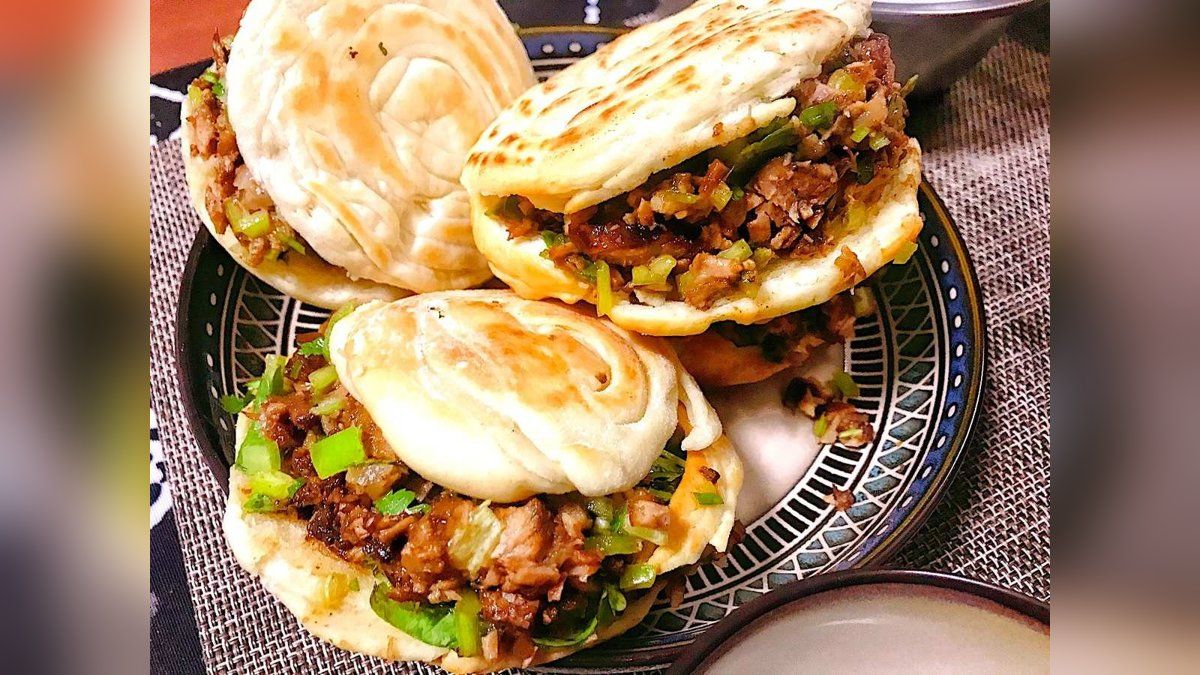
What Is Roujiamo? The Ancient Chinese Burger
Roujiamo (), literally meaning "meat sandwich" in Chinese, is a beloved street food from Shaanxi Province that predates the modern hamburger by over 2,000 years. Often called the "Chinese hamburger" or "world's first burger," this handheld delicacy consists of tender, slow-braised meat stuffed inside a crispy, baked flatbread known as baijimo. Unlike the Western burger, which typically uses ground beef patties, Roujiamo features shredded or chopped meat--most commonly pork--that has been simmered for hours in a complex broth of soy sauce, star anise, cinnamon, ginger, and dozens of other spices.
The origins of Roujiamo trace back to the Qin Dynasty (221-206 BCE), when soldiers needed a portable, high-energy meal that could sustain them during long campaigns. The flatbread was designed to stay fresh for days, while the heavily spiced meat acted as a natural preservative. Over centuries, this practical battlefield ration evolved into a culinary icon, with countless variations emerging across China. Today, Roujiamo is not just a snack--it's a symbol of Shaanxi's rich culinary heritage and a testament to the ingenuity of ancient Chinese cooks.
Key Stat: Roujiamo is believed to have originated over 2,200 years ago, making it one of the oldest sandwich-style foods in recorded history--centuries before the first hamburger appeared in the United States.
The Art of Making Baijimo: The Perfect Flatbread
The foundation of any great Roujiamo is the baijimo (), a type of flatbread that is both crispy on the outside and soft on the inside. Unlike Western burger buns, which are often soft and fluffy throughout, baijimo is made from a simple dough of wheat flour, water, and yeast, then rolled into a disc and baked in a dry pan or oven. The key to its signature texture lies in the folding technique: the dough is rolled into a long strip, coiled into a spiral, then flattened before baking. This creates layers that trap steam, resulting in a bread that is crunchy on the surface but airy and tender within.
Traditional baijimo is cooked in a lu (), a clay or metal oven that heats the bread from both top and bottom. The bread is first seared on a flat griddle to develop a golden crust, then transferred to the oven's walls to finish baking. This dual-cooking method ensures an even, crackling exterior without drying out the interior. A well-made baijimo should have a slight chewiness and a faint sweetness from the wheat, providing the perfect neutral canvas for the bold, savory meat filling. In Xi'an, the capital of Shaanxi, street vendors take immense pride in their baijimo, often spending years perfecting their dough hydration and baking times.
The Meat: Slow-Braised Perfection
The soul of Roujiamo is the meat, which is typically pork belly or pork shoulder, though beef and lamb versions exist in Muslim-majority areas. The meat is first blanched to remove impurities, then simmered for 3-6 hours in a master stock called lao tang ()--a seasoned broth that is reused and replenished daily, sometimes for decades. This stock is a complex blend of soy sauce, rock sugar, Shaoxing wine, and a spice pouch containing star anise, cinnamon, cloves, Sichuan peppercorns, fennel seeds, and dried tangerine peel. The slow cooking breaks down the collagen in the meat, rendering it so tender that it falls apart at the touch of a cleaver.
Once cooked, the meat is removed from the broth, coarsely chopped or shredded, and then drizzled with a bit of the cooking liquid to keep it moist. Some vendors add a spoonful of chili oil or a sprinkle of chopped cilantro and green onions for freshness. The meat is then stuffed generously into a split baijimo, which absorbs the juices without becoming soggy. The result is a harmonious contrast of textures: the crisp bread gives way to the succulent, spice-laden meat, with each bite delivering layers of umami, sweetness, and warmth from the aromatics. A single Roujiamo can contain up to 150 grams of meat, making it a substantial meal that costs just a few dollars in China.
Regional Variations and Modern Twists
While the classic Roujiamo features pork, Shaanxi's diverse culinary landscape has spawned numerous regional adaptations. In Xi'an's Muslim Quarter, where pork is avoided, vendors use spiced beef or lamb, often accompanied by a cumin-heavy seasoning that reflects Central Asian influences. This version, known as yangrou jiamo (), is particularly popular during winter months, as the warming spices are believed to combat cold weather. Another variation uses braised chicken or duck, though these are less common. In recent years, chefs have experimented with fillings like braised tofu, mushrooms, or even pulled jackfruit for vegetarian and vegan diners, though purists argue that only pork can deliver the authentic experience.
Beyond Shaanxi, Roujiamo has spread across China and the world, with food trucks and restaurants in cities like Beijing, Shanghai, New York, and London offering their own interpretations. Some modern versions incorporate Western ingredients like cheese, lettuce, or mayonnaise, creating a fusion that bridges Chinese and American street food cultures. However, traditionalists maintain that the true Roujiamo should be simple: just bread and meat, with perhaps a touch of chili or garlic. The beauty of this ancient sandwich lies in its restraint--every component serves a purpose, and no single element overwhelms the others. Whether you're eating it from a street stall in Xi'an or a trendy food truck in Brooklyn, Roujiamo remains a testament to the enduring appeal of well-executed simplicity.
How to Eat Roujiamo Like a Local
To fully appreciate Roujiamo, you must eat it fresh and hot. The bread should be warm and crisp, the meat steaming and fragrant. In Xi'an, locals often order their Roujiamo with a side of liangpi (cold skin noodles) or a bowl of yangrou paomo (lamb soup with bread pieces), creating a hearty meal that showcases the region's culinary prowess. When eating, hold the sandwich firmly with both hands--the bread is sturdy enough to contain the filling, but the juices can still drip, so lean over your plate. Some vendors offer a choice of lean or fatty meat; connoisseurs prefer a mix, as the fat adds richness and moisture.
If you're making Roujiamo at home, the key is patience. The meat needs hours to become truly tender, and the bread requires practice to achieve the perfect texture. However, the effort is rewarded with a sandwich that is both ancient and timeless, familiar yet exotic. For the best results, use high-quality pork belly with a good fat-to-meat ratio, and don't skimp on the spices--the complexity of the broth is what sets Roujiamo apart from ordinary pulled pork. Serve it immediately, and consider pairing it with a cold beer or a cup of Chinese tea to cut through the richness. if you're a seasoned foodie or a curious beginner, Roujiamo offers a delicious window into China's culinary history.