Mexican Tacos al Pastor: Spit
Jordan Myers
1. The History and Cultural Roots of Tacos al Pastor
Tacos al Pastor represent one of the most fascinating culinary fusions in Mexican history. The dish traces its origins to the 1920s and 1930s, when Lebanese immigrants began arriving in Mexico, bringing with them the tradition of shawarma--spit-roasted lamb or beef. Mexican cooks adapted this technique using local ingredients, swapping lamb for pork and incorporating indigenous flavors like achiote, chiles, and pineapple. The result was a completely new creation: tacos al pastor.
The vertical spit, or trompo, became the centerpiece of taquerías across Mexico City. By the 1960s, al pastor had become a staple of Mexican street food, particularly in the capital. Today, it is estimated that over 80% of taquerías in Mexico City serve al pastor, with the city consuming more than 12 million tacos al pastor daily. The dish has since spread globally, with taquerías in Los Angeles, New York, and London offering their own interpretations.
Key Stat: Mexico City alone consumes over 12 million tacos al pastor daily, making it the most popular taco variety in the capital, according to the Mexican Association of Street Food Vendors (2023).
What makes al pastor unique is its blend of cooking techniques and cultural exchange. The pork is marinated in a mixture of dried chiles (guajillo, ancho, and chipotle), achiote paste, garlic, vinegar, and pineapple juice, then stacked on a vertical spit. As the outer layer cooks, the meat is shaved off in thin, crispy slices, often with a piece of pineapple that has caramelized on top. This combination of savory, smoky pork with sweet-tart pineapple is the hallmark of authentic al pastor.
2. The Essential Ingredients for Authentic Al Pastor
Creating authentic tacos al pastor at home requires specific ingredients that replicate the complex flavors of the trompo. The marinade is the soul of the dish. Start with 2 pounds of boneless pork shoulder or pork butt, sliced into thin, 1/4-inch thick pieces. The marinade combines 3 dried guajillo chiles (stemmed and seeded), 2 dried ancho chiles, 1 chipotle pepper in adobo sauce, 3 cloves of garlic, 1/4 cup of white vinegar, 1/4 cup of pineapple juice, 2 tablespoons of achiote paste, 1 teaspoon of ground cumin, 1 teaspoon of dried oregano, 1 teaspoon of salt, and 1/2 teaspoon of black pepper.
To prepare the chiles, toast them in a dry skillet over medium heat for 30 seconds per side until fragrant. Soak them in hot water for 10 minutes to soften. Blend the soaked chiles with the remaining marinade ingredients until smooth. Pour the marinade over the sliced pork, ensuring each piece is fully coated. Cover and refrigerate for at least 4 hours, but ideally overnight--24 hours yields the deepest flavor. The acidity from the vinegar and pineapple juice helps tenderize the pork while infusing it with a sweet-savory profile.
For the trompo effect at home, you have two options. The traditional method uses a vertical spit, but a home oven or grill works well. Preheat your oven to 375°F. Stack the marinated pork slices on a vertical skewer or a loaf pan lined with foil, pressing them tightly together. Place a slice of fresh pineapple on top. Roast for 45-60 minutes, or until the internal temperature reaches 145°F. For a charred exterior, finish under the broiler for 3-5 minutes. Alternatively, grill the pork slices directly over high heat for 3-4 minutes per side, then chop into small pieces.
3. The Perfect Corn Tortilla and Toppings
The foundation of any taco al pastor is the corn tortilla. Authentic Mexican tacos use small, 5-inch corn tortillas made from masa harina (nixtamalized corn flour). Avoid flour tortillas--they lack the earthy flavor and structural integrity needed for al pastor. To prepare, heat a dry comal or cast-iron skillet over medium-high heat. Warm each tortilla for 30 seconds per side until pliable and lightly charred. Stack them in a clean kitchen towel to keep warm. For the best texture, use fresh tortillas from a local tortillería or make your own from masa harina.
The classic toppings for tacos al pastor are simple but essential. Fresh pineapple chunks or slices are non-negotiable--they provide the sweet contrast to the spicy pork. Dice 1/2 cup of fresh pineapple into small cubes. Finely chop 1/2 cup of white onion and 1/4 cup of fresh cilantro. Slice 2 limes into wedges. For salsa, a simple salsa verde or salsa roja works best. To make a quick salsa verde, blend 4 tomatillos (husked and rinsed), 1 jalapeño, 1/4 cup of cilantro, 1 clove of garlic, and salt to taste. For salsa roja, blend 3 Roma tomatoes, 2 dried guajillo chiles (rehydrated), 1 clove of garlic, and salt.
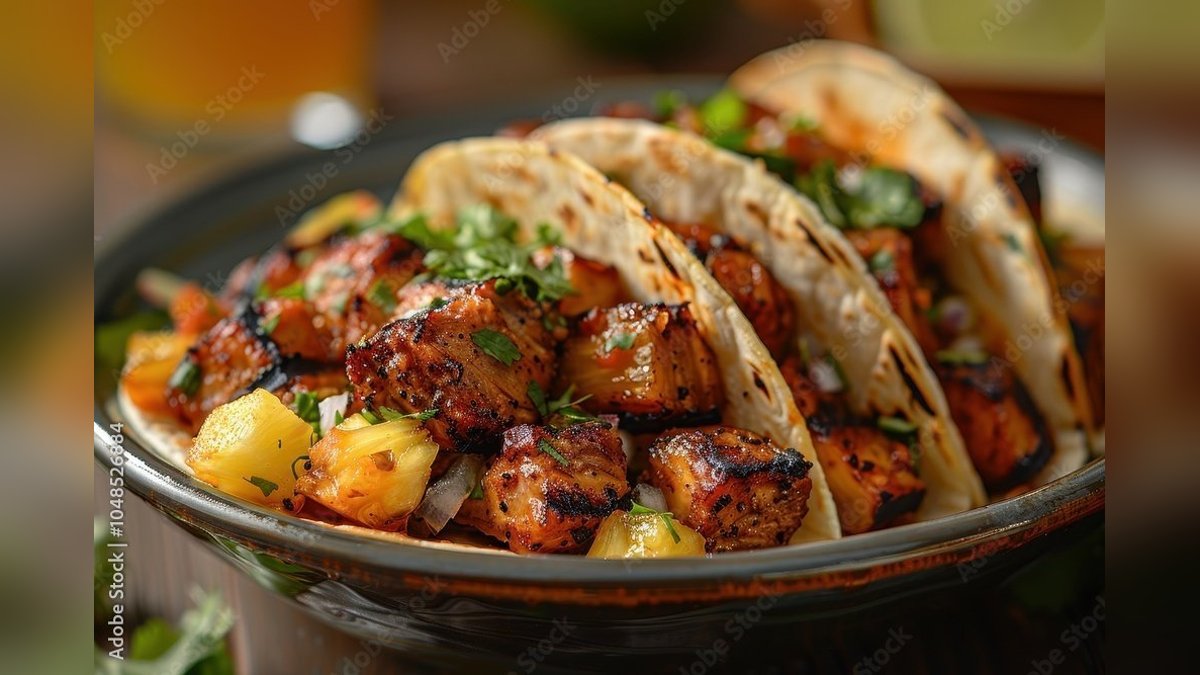
Assembly is straightforward. Place two warm corn tortillas on a plate, overlapping slightly. Add 3-4 ounces of chopped al pastor meat. Top with a sprinkle of diced onion and cilantro, a few pineapple chunks, and a drizzle of salsa. Squeeze fresh lime juice over the top. Serve immediately with extra salsa on the side. For a truly authentic experience, eat them standing at a counter or on a street-side stool, just as they are enjoyed in Mexico City.
4. Expert Tips for Achieving the Perfect Al Pastor at Home
Professional taqueros have refined their techniques over decades. Here are their secrets for replicating that trompo magic in your home kitchen. First, the meat-to-fat ratio is critical. Pork shoulder with at least 15-20% fat content ensures the meat stays moist during cooking. If using lean pork loin, add 2 tablespoons of vegetable oil to the marinade to compensate. Second, the marinade should be slightly thicker than a typical sauce--it should coat the meat without dripping off. If it's too thin, add an extra tablespoon of achiote paste or reduce the vinegar.
Third, the cooking method matters. For the most authentic texture, use a vertical rotisserie attachment on your grill or a dedicated trompo for home use. If using an oven, place a drip pan underneath to catch the rendered fat, which can be used to baste the meat during cooking. The internal temperature should reach 145°F for safety, but the exterior should be deeply charred. A meat thermometer is essential--insert it into the thickest part of the stacked meat. Fourth, let the meat rest for 5 minutes after cooking before slicing. This allows the juices to redistribute, preventing dry tacos.
Finally, the pineapple is not just a garnish--it's a cooking tool. In traditional taquerías, a whole pineapple is placed on top of the trompo. As the spit rotates, the pineapple caramelizes and its juices drip down over the pork, adding sweetness and acidity. At home, place a thick slice of pineapple on top of your stacked meat before roasting. The sugars will caramelize, and you can chop the pineapple into the finished tacos. For extra flavor, grill the pineapple slices separately until they have grill marks, then dice them.
5. Regional Variations and Modern Twists
While the classic al pastor remains king, regional variations across Mexico and the United States offer exciting alternatives. In the Yucatán Peninsula, a similar dish called tacos de cochinita pibil uses achiote-marinated pork but is slow-roasted in banana leaves rather than on a spit. In northern Mexico, tacos de trompo often include a layer of melted cheese (queso fundido) on top of the meat before serving. In Los Angeles, many taquerías offer al pastor fries--a loaded plate of french fries topped with al pastor meat, cheese, crema, and salsa.
For home cooks looking to experiment, consider these variations. Swap the pork for chicken thighs (marinated the same way) for a lighter version. Use the al pastor marinade on cauliflower steaks for a vegetarian option--roast at 400°F for 25 minutes. Add a layer of refried black beans to the tortilla before adding the meat for extra richness. For a spicy kick, include a habanero pepper in the marinade (remove seeds for less heat). The key is maintaining the balance of sweet, savory, and spicy that defines al pastor.
Modern taquerías are also pushing boundaries. Some use smoked pork shoulder instead of spit-roasted, adding a layer of smokiness. Others incorporate grilled pineapple salsa or pickled red onions for acidity. The core elements--marinated pork, corn tortillas, pineapple, and fresh toppings--remain constant, but the creativity of chefs ensures that tacos al pastor continue to evolve. Whether you stick to tradition or explore new variations, the dish's soul lies in its vibrant, complex flavors and its ability to bring people together around a shared meal.